
SALT LAKE CITY (KUTV) — The Utah opioid and fentanyl task forces identified medetomidine, a veterinary sedative, in the state’s illicit drug supply.
Medetomidine was first detected in U.S. street drugs in 2022. It has been linked to a spike in overdoses.
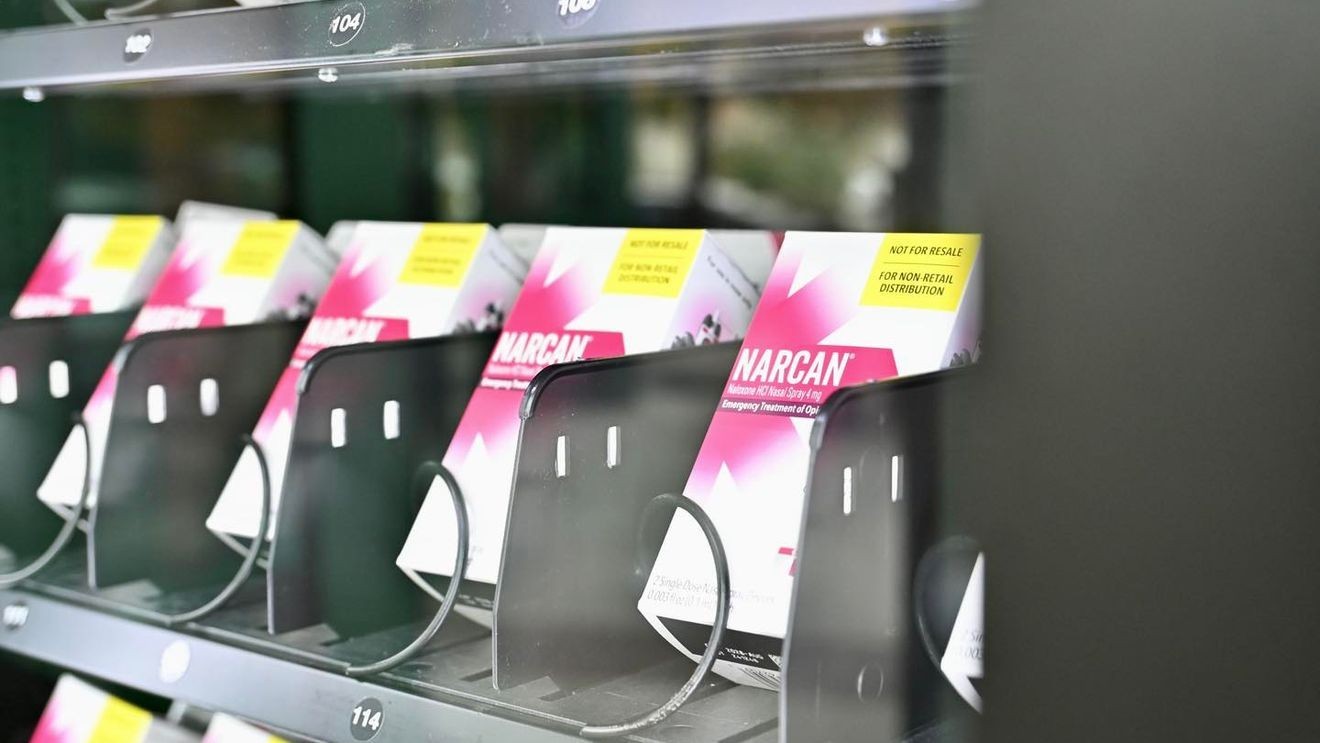
It is more potent than xylazine — another veterinary sedative — and cannot be reversed by naloxone (Narcan), as it is not an opioid, the Utah Department of Public Safety said.
“But because it is often mixed with fentanyl and other opioids, naloxone remains essential to every overdose response,” DPS continued.
MORE | Utah Drugs
DPS said that this detection allows Utah’s overdose prevention, public health, and public safety partners to “provide timely guidance and underscores the need for continued surveillance, education, and access to overdose prevention tools.”
“The illicit drug supply continues to evolve, and new substances emerge alongside opioids already in our communities,” said the Utah Opioid Task Force and Utah Fentanyl Task Force. “The detection of medetomidine reinforces the importance of recognizing an overdose, responding quickly, calling 911, carrying naloxone, and educating those around us, especially people at increased risk. These simple actions can make the difference between life and death while help is on the way.”
If you come across a suspected overdose, DPS provided the following instructions:
Call 911 immediately.Administer naloxone. It won’t reverse medetomidine, but it reverses fentanyl, nitazenes, heroin, morphine, and other opioids that may be present.Focus on breathing, not wakefulness. A person may stay unconscious after naloxone but begin breathing normally — if breathing improves, it’s working.Give rescue breaths if the person isn’t breathing adequately.Use the recovery position if they are breathing on their own while awaiting EMS.Keep monitoring and give more naloxone if breathing slows or stops again.
“Medetomidine is another change in the drug supply, but the response is unchanged: call 911, administer naloxone, support breathing, and stay with the person until help arrives,” DPS said. “These steps remain the most effective way to save lives.”
_____