

We often simply attribute the changes we notice in our bodies to ageing and move on. But for many women, the physical challenges of menopause are further compounded by deficiencies in essential nutrients that have built up in the body over the years.
“The most common nutritional deficiencies that occur during menopause involve calcium, vitamin D, magnesium, vitamin B12, omega-3 fatty acids and iron,” explains Prateek Kumar, a fitness coach, nutritionist and founder of the Fitcru platform. “Instead of focusing on a single nutrient, the greatest benefit comes from combining all these nutrients through a balanced diet based on whole foods.”
Nutritionist Abhishree Goyal, co-founder of Nuvana, agrees, stressing that diet plays a much greater role than most women realise. “A diet rich in phytoestrogens, calcium, vitamin D, protein and omega-3 fatty acids can significantly support overall health and improve quality of life during the transition into menopause,” says Goyal. This is precisely why a diet tailored to menopause is an important part of maintaining long-term health.
Related: The Foods You Should Include In Your Diet If You’re Perimenopausal
Kumar cautions that it is important to distinguish popular claims from what has actually been confirmed by scientific research. “Soy and fenugreek have the strongest high-quality clinical evidence when it comes to reducing hot flashes,” he says. Below, we highlight 15 foods worth including in your diet during menopause, with expert insights and an overview of what the science says about them.
Soy
“Soy is rich in phytoestrogens, which may help reduce hot flashes and night sweats while supporting bone and heart health,” says Goyal. Kumar also cites the research: “An analysis of 19 clinical trials found that isoflavones reduced the frequency of hot flashes by around 20 per cent and their severity by 25 per cent compared with a placebo.”
Flaxseeds
According to Goyal, the omega-3 fatty acids and fibre in flaxseeds “may help maintain hormonal balance, relieve constipation, regulate cholesterol and ease mild vasomotor symptoms.” Kumar cautions, however, that “flaxseeds have not yet been proven to directly alleviate hot flashes, despite how often this claim is repeated.”
Nataliya Vaitkevich
Chickpeas
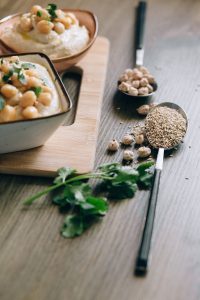
“Chickpeas are an excellent source of plant-based protein, fibre, iron and phytoestrogens,” explains Goyal. Kumar adds that they help keep blood sugar levels stable and provide a longer-lasting feeling of fullness, which may make them particularly useful for women trying to manage their weight during menopause.
Greek yoghurt
According to Goyal, Greek yoghurt helps “preserve muscle mass, bone density and gut health.” Kumar is even more direct: “For me, it is indispensable.” He points out that its combination of high protein and calcium content offers some of the best protection for bones and muscles.
Salmon
“Salmon helps reduce inflammation and supports heart health, bone health and mood,” says Goyal. Kumar adds that it may also help with brain fog, a symptom of menopause that he believes is not discussed enough.
Related: Six foods with more omega-3 than salmon
Brokula
Goyal ističe da brokula sadrži spojeve koji podupiru metabolizam estrogena. Kumar dodaje da su brokula i drugo povrće iz porodice krstašica u istraživanjima povezani s povoljnijim ishodima kod žena koje su preboljele rak dojke.
Povezano: Povrće koje nitko ne želi jesti, jedno je od najzdravijih namirnica (i može biti ukusno!)
Orasi
Broccoli
Goyal notes that broccoli contains compounds that support oestrogen metabolism. Kumar adds that research has linked broccoli and other cruciferous vegetables to better outcomes among women who have survived breast cancer.
Walnuts
According to Goyal, walnuts support heart health, brain function and sleep quality while reducing inflammation. Kumar ranks them among the foods whose benefits have been confirmed by “decades of high-quality nutritional research”.
Avocado
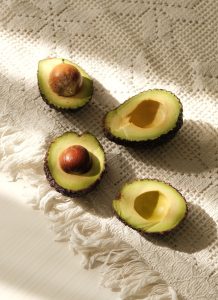
Goyal notes that the healthy monounsaturated fats, potassium and fibre in avocado support heart health and help you feel full for longer. Kumar also recommends it for its benefits for the heart and brain.
Rahime Gül
Blueberries
Goyal includes blueberries among antioxidant-rich foods that help reduce oxidative stress. Kumar agrees, highlighting them alongside walnuts and oats as excellent choices for heart health.
Oats
According to Goyal, oats help regulate blood sugar levels, improve cholesterol levels and support digestive health. Kumar also includes them among the foods that benefit heart and gut health.
Amla
“Amla, or Indian gooseberry, is an excellent dietary addition for strengthening immunity, collagen production and skin health,” says Goyal. Kumar adds that several small studies point to its potential to reduce oxidative stress.
Wild asparagus
Wild asparagus is among the foods that may provide hormonal support. Kumar emphasises, however, that the evidence remains limited. “There is still not enough clinical research in humans. I would present shatavari as a traditional remedy rather than something scientifically proven, and I would always recommend using it under professional guidance.”
Fenugreek seeds
According to Goyal, fenugreek may improve metabolic health and blood sugar regulation while positively affecting libido and energy levels. Kumar also cites the research: “A placebo-controlled clinical trial found that fenugreek extract significantly reduced menopausal symptoms over 90 days, with almost a third of the women reporting that their hot flashes had disappeared completely.”
Related: 11 ways to lower cortisol during perimenopause and menopause
Sesame seeds
Goyal recommends sesame seeds for supporting hormonal health and preserving bone health. Kumar agrees, noting that the lignans and calcium they contain are “a simple but valuable addition to the diet”.
Yoghurt
Alongside Greek yoghurt, regular yoghurt is also an excellent choice for bone health and the gut microbiome due to its calcium, protein and probiotic content, both experts agree.
Myths it is time to leave behind
One of the most widespread myths is that soy causes cancer. “Moderate consumption of whole soy foods is safe for most women and may also offer numerous health benefits,” says Goyal. Kumar goes a step further: “Numerous large studies have shown that soy intake is actually associated with a lower risk of breast cancer recurrence among survivors.” When it comes to dairy products, Goyal points out that yoghurt and Greek yoghurt are excellent sources of calcium, protein and probiotics, while Kumar believes that eliminating dairy entirely is generally poor advice unless someone is lactose intolerant.
Related: How to get 100g of protein a day?
Finally, Kumar recommends consuming 20 to 30 grams of protein with each meal, around 1,200 mg of calcium a day, oily fish twice a week and soaked fenugreek seeds if they suit you. “There is no single food that will resolve every symptom of menopause. Consistently eating a high-quality diet, strength training, getting enough sleep and managing stress effectively make the greatest difference,” he concludes.