
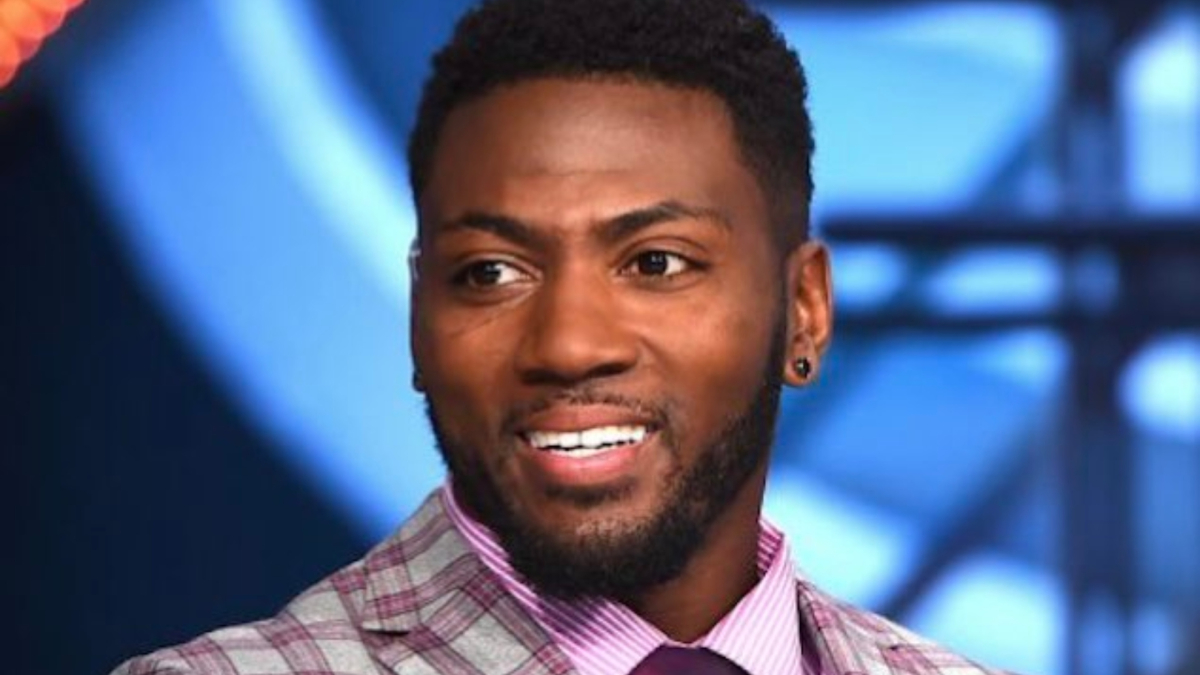
Ryan Clark’s exit from ESPN has quickly become one of the most talked-about moments from the network’s latest round of layoffs, with a CNN contributor suggesting the former NFL star may have been caught in the middle of a broader media and political divide.
Clark was among several major ESPN personalities to lose their positions as the company undergoes significant changes. However, the way his departure unfolded has attracted as much attention as the decision itself.
J.J. Watt puts Pat McAfee on the spot with brutal ESPN layoffs joke during live interview
Reports stated that Clark learned he was being let go during a break while filming NFL Live. The former Pittsburgh Steelers safety later suggested the timing was deliberate, claiming the network wanted to prevent the outlet from announcing the news first.
The situation led to discussion beyond the usual conversations around network restructuring, with Jason “Jah” Lee, a senior editor at Bossip and CNN contributor, arguing that Clark’s departure may have been influenced by wider cultural tensions.
“I think Ryan Clark got swept up in some level of culture war retribution,” Lee said during CNN This Morning. “The reason he got fired during the segment is because an outlet called OutKick contacted ESPN threatening to leak this information. How would OutKick get this information?”
Lee pointed towards the political divide that has increasingly surrounded sports media, suggesting Clark’s public profile and outspoken nature may have made him a target amid criticism of ESPN’s perceived direction.
“If you know Clay Travis, he is not a bleeding-heart liberal,” Lee said. “I feel a lot of this was purposefully done to embarrass Ryan Clark.”
Ryan Clark’s emotional reaction divides sports media
Clark’s response to leaving ESPN has also generated debate, particularly after footage showed him becoming emotional while discussing the situation.
Former boxing champion Tim Bradley criticized Clark’s reaction, arguing that media careers can change quickly and that financial decisions often drive network moves.
“You gotta (sic) understand this industry is like that,” Bradley said. “You don’t know that? How long you been in this industry? It’s like that. You here one minute, gone the next.”
Bradley compared Clark’s situation to other high-profile ESPN departures, including Stephen A. Smith’s previous exit from the company before eventually returning.
“It’s all about numbers. That’s all it’s about. It’s about numbers,” Bradley added.
However, supporters of Clark argued that his reaction was understandable after spending more than a decade building a second career with ESPN following his NFL retirement.
Since joining the network in 2015, Clark became one of ESPN’s most recognizable football voices, appearing regularly on NFL Live, First Take and Get Up while also hosting The Pivot podcast.
ESPN continues major changes amid layoffs
Clark’s departure came as part of a wider round of ESPN cuts that also affected several established figures, including Karl Ravech, Tom Pelissero, Andreas Hale and Cam Newton.
The network has described the layoffs as part of broader business changes, with ESPN chairman Jimmy Pitaro highlighting the company’s focus on integrating its operations with NFL Media following Disney’s agreement to expand its football coverage.
Despite the controversy surrounding his exit, Clark is expected to remain a sought-after figure in sports media. His NFL experience, broadcasting ability and popularity with viewers could provide opportunities elsewhere.
For now, his departure has become a larger discussion about the future of sports broadcasting, the influence of media politics and how networks handle major personnel decisions.