
Fact checked by Vikki Velasquez
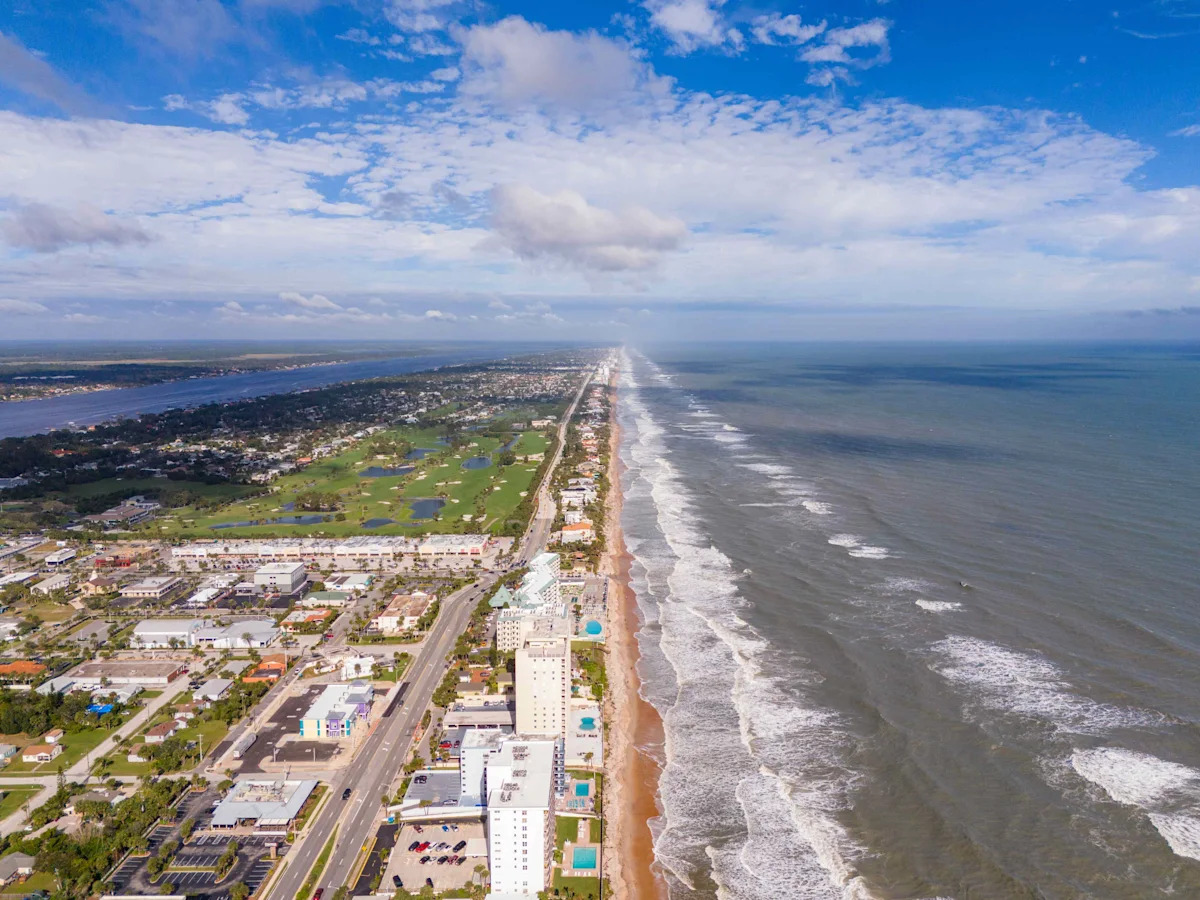
 The cost of living in Ormond Beach is slightly lower than the national average.
Credit: felixmizioznikov / Getty Images Key Takeaways
Florida’s lack of state income tax and senior-friendly property tax exemptions make it a popular retirement destination.
The cost of living varies widely across Florida, with some towns like Zephyrhills offering costs 14% below the national average.
Homeowners in Florida face higher insurance costs due to hurricane risks, with flood insurance ranging from $610 to $2,412 annually.
Florida has long been a go-to retirement destination—and for good reason. The state offers income-tax-free living, hundreds of miles of beaches, and more golf courses than anywhere else in the U.S.
In fact, Florida offers more of America’s best places to retire than any other state, according to Investopedia’s research.
So, what’s the ideal Florida city or town for you?
21 Perfect Florida Retirement Locations
Florida offers an enticing range of potential retirement locations, ranging from small towns like South Beach to large, renowned cities such as Miami. Here are 21 communities to consider:
Bradenton
Cape Canaveral
Cocoa Beach
Cypress Lake
DeLand
Englewood
Hialeah
Homosassa Springs
Indialantic
Melbourne
Miami
Ormond Beach
Pensacola
Port Orange
Sarasota
Sebring
South Beach
Southgate
Venice
Winter Haven
Zephyrhills
The Sarasota/North Port region saw a 48% increase in the number of homes for sale from 2024 to 2025, so you’ll have plenty to choose from. And Sarasota ranked No. 4 on U.S. News & World Report’s list of the best places to retire in 2025.
Pensacola landed a spot at No. 17 on the 2025 list and No. 19 on the 2026 list. It boasts a nicely affordable cost of living over other large towns. Homosassa Springs came in at No. 3 in 2026.
Miami is known for its cultural diversity, as well as high-end shopping and dining, including the Bal Harbour Shops, Aventura Mall, and 12 Michelin Star restaurants.
But it begs asking: How much is all this going to cost you? As with any state, it depends largely on the city or town you choose. The costs of living in DeLand, Ormond Beach and Port Orange are 1% less than the national average, and it’s 2% lower in Bradenton.
You might want to head for Zephyrhills when you pack your bags and load up that moving van, however. The cost of living in this medium-sized town is a significant 14% less than the national average.
You’ll pay 5% to 12% more for the fundamentals of your day-to-day life if you choose Englewood, Hialeah, or Venice.
The Financial Benefits of a Florida Retirement
Florida doesn’t impose an individual income tax, which can definitely make it a retirement destination worth considering. Your Social Security, retirement savings, and any income you might pick up on the side are tax-free at the state level. It doesn’t levy an inheritance or estate tax, either. Florida is way up there at No. 5 on the Tax Foundation’s 2026 State Tax Competitiveness Index.
Story Continues
The state’s average property tax rate is 0.74%, but Florida offers a variety of homestead tax exemptions to seniors, including one of up to $50,000. Income limitations apply.
Your Florida home must be your permanent residence, and you must be age 65 or older.
The Real Costs of Retiring in Florida
Those tax benefits can help—but what will it actually cost you to live in Florida?
As with any state, it depends largely on the city or town you choose. The costs of living in DeLand, Ormond Beach, and Port Orange are 1% less than the national average, and it’s 2% lower in Bradenton.
You might want to head for Zephyrhills when you pack your bags and load up that moving van, however. The cost of living in this medium-sized town is a significant 14% less than the national average.
You’ll pay 5% to 12% more for the fundamentals of your day-to-day life if you choose Englewood, Hialeah, or Venice.
The median home sale price in the Sunshine State was $376,600 as of April 30, 2026. Half of all sold homes cost more than this, and half cost less.
You can pare that down some if you choose an active adult community. These homes were selling for a median price of about $350,000 in August 2025. This is statewide data and can vary a bit based on the city or town you choose.
Homeowners association fees can run you an additional $389 a month or so in these adult communities, but paying them often relieves you of performing those arduous homeowner maintenance chores yourself.
Note
It will cost you an average of $2,395 a month if you choose to rent a Florida home. This compares with the national average of $1,995, but you can lease a one-bedroom apartment for an average of about $1,700.
Unfortunately, homeowners’ insurance is likely to ramp up your budget here. Florida’s weather comes with some well-known perils. Every inch of the state has been impacted by at least one hurricane since 1850.
Flood and windstorm coverage are required by some insurance companies and in certain areas, and flood insurance costs ranged from $610 to $2,412 a year as of August 2025, depending on the flood zone in which your home is located.
The Bottom Line
Florida offers a wide range of retirement options, from more affordable inland towns to higher-cost coastal cities. Taxes are relatively low, but your overall cost of living will depend on where you settle.
Read the original article on Investopedia