
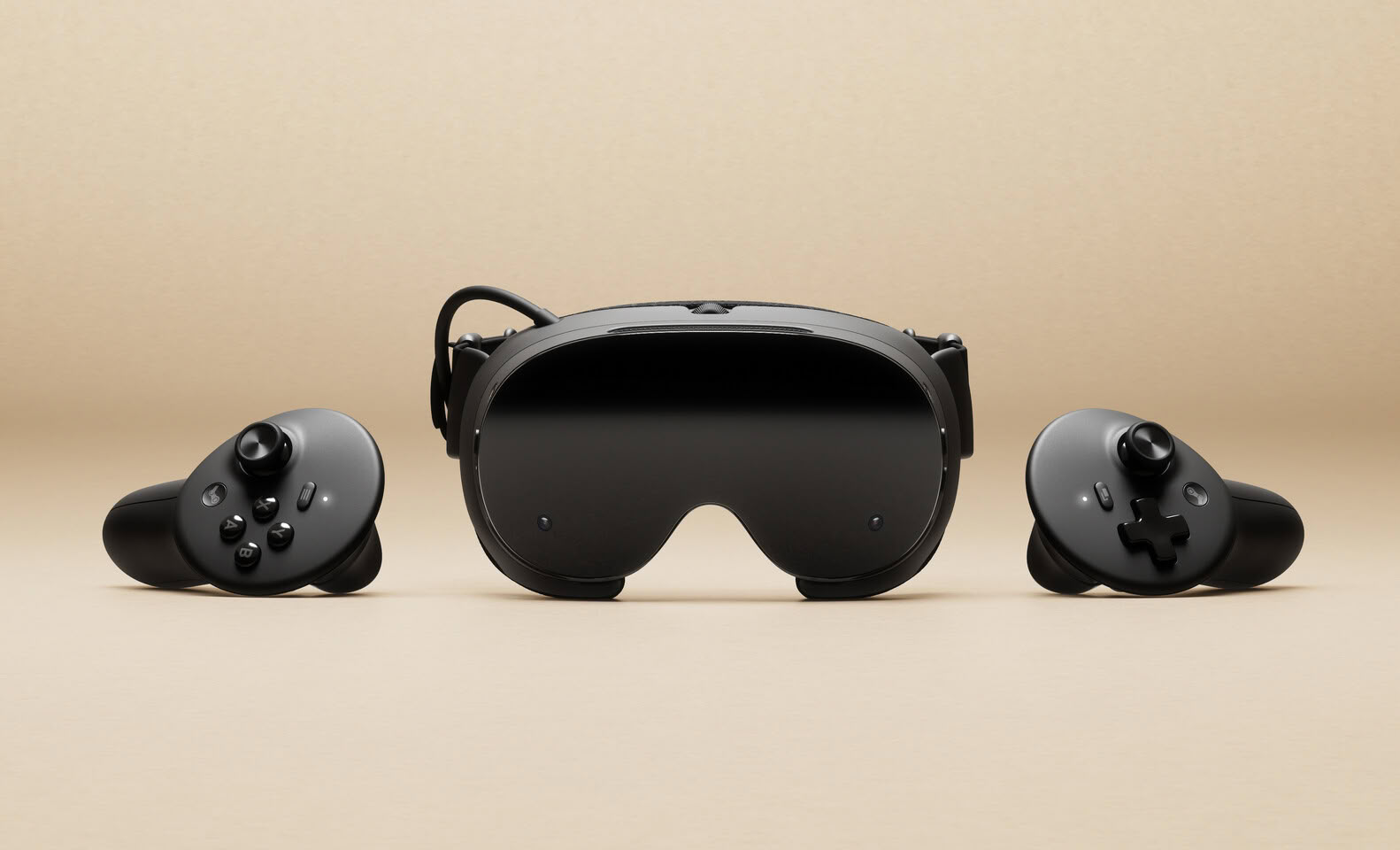
Valve’s hardware portfolio has experienced significant pricing fluctuations due to various supply chain changes related to memory, storage, and now processor price hikes. According to Bloomberg, Qualcomm, the main chip supplier for the upcoming Steam Frame VR headset, is increasing its prices by double-digit percentages. This means that Valve’s upcoming Steam Frame headset will face an unexpected price increase. Initially, Valve planned to use the Snapdragon 8 Gen 3 processor with 16 GB of unified LPDDR5X RAM and up to 1 TB of storage capacity. However, Bloomberg now confirms that Qualcomm is raising its processor costs for all customers, which is driving up expenses.
For Qualcomm, declining smartphone sales, due to the higher cost of DRAM and NAND Flash, have led to reduced sales of the smartphone SoCs that power these devices. As a result, the company has felt supply chain pressures across multiple sectors and is now attempting to recover by increasing chip prices across the board. The Qualcomm Snapdragon 8 Gen 3 will see a double-digit percentage price increase, meaning anything from 10% and upwards is possible. If the price increase is substantial, combined with limited availability of LPDDR5X memory and SSD storage, the Steam Frame VR headset launch might not align with Valve’s original plans.

 As a reminder, the Steam Frame is designed as a lightweight PC VR gaming headset with a modular architecture, weighing just 185 g on its own and 440 g with the included headstrap, which features a facial interface, audio, and a rear battery. The device can stream Steam games via Wi-Fi 7 and an included low-latency adapter, using eye-tracking to drive foveated streaming that sharpens resolution precisely where you look. It features dual 2160×2160 pancake displays that refresh at 144 Hz across a 110-degree field of view. Four outward-facing cameras and an IR illuminator maintain tracking in any environment, enhancing the VR experience. Integrated audio and a 21.6Wh battery complement the SteamOS experience with full suspend/resume functionality, powering Steam Frame Controllers that include magnetic TMR thumbsticks and capacitive finger sensing on 40-hour batteries, bridging traditional gamepad familiarity with VR immersion.