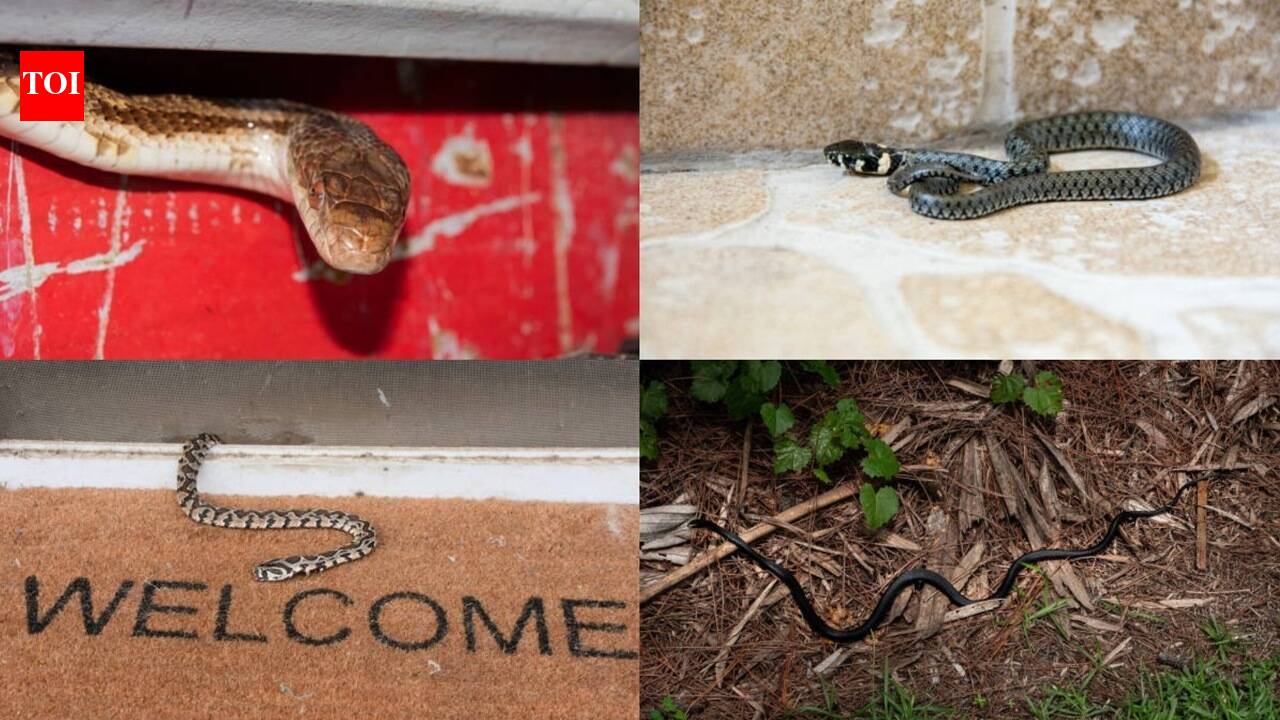
Snakes don’t leave footprints, but their movement across loose dust, dry mud, or sand can leave a distinctive trace. Look for winding, S-shaped or wavy lines across dusty floors in garages, basements, storerooms, or terraces—the kind of quiet, low-traffic spaces snakes tend to pass through unnoticed. These tracks are often easiest to spot near likely entry points, such as gaps under doors, drainage outlets, or cracks along a wall. A single faint trail may just mean a snake went through once, but a repeated pattern in the same spot is a stronger signal it’s using that route regularly. Suddenly, all activity of rodents stopped. This is one of the more subtle signs but it’s a really good one. Sometimes the signs are fewer rodent droppings, less gnawing on packaging, or the normal sounds of scratching and scurrying at night, indicating a predator may have taken up residence and is keeping the rodent population in check. It’s not proof on its own, since rodent activity naturally fluctuates with the season, but combined with any of the other signs on this list, a sudden quiet where there used to be rustling is worth noting rather than simply feeling relieved about.