
After months of public pressure, the federal government is ruling out support for Ontario Premier Doug Ford’s plan to take over and expand Toronto’s downtown island airport.
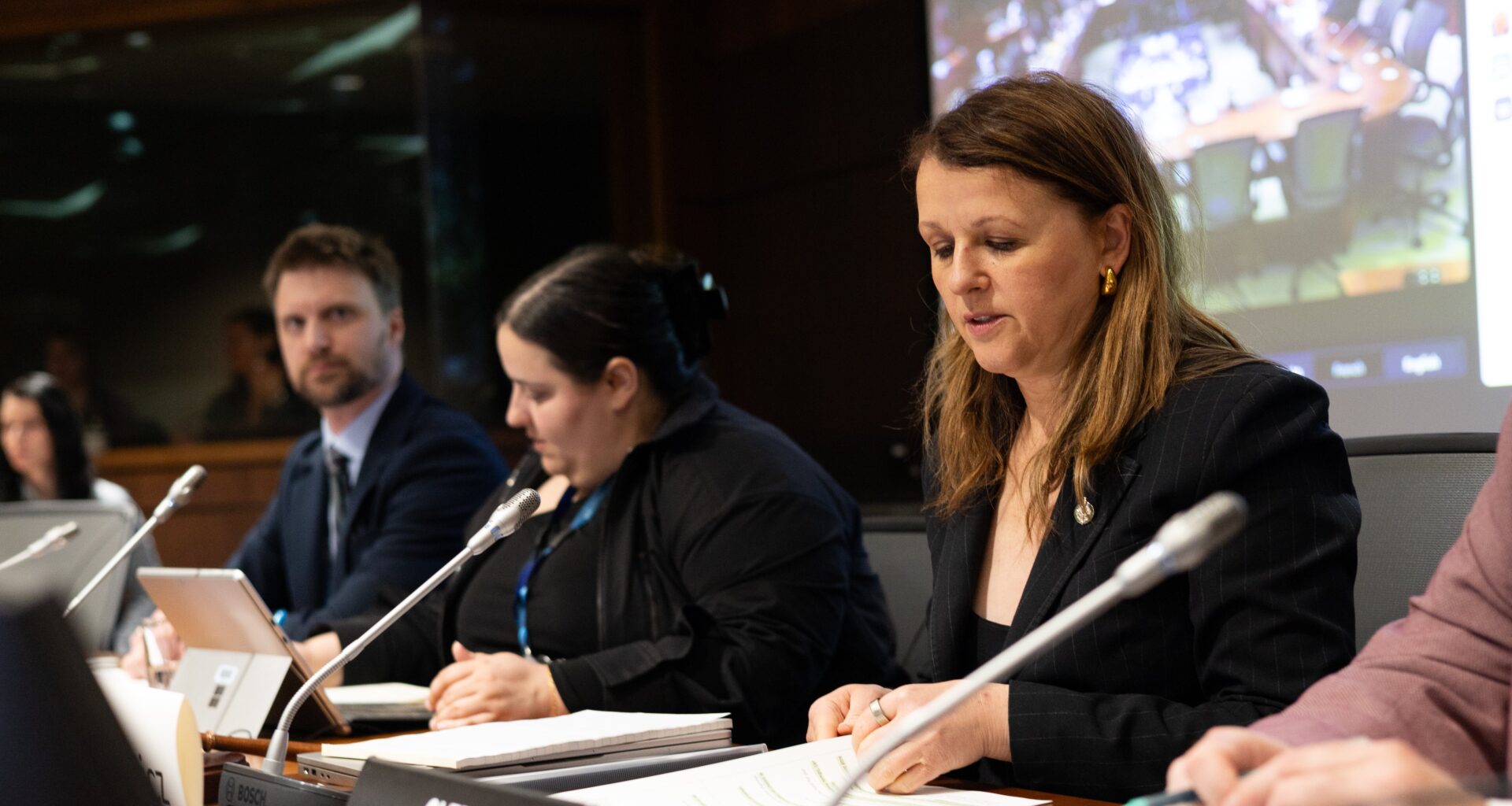
MP Julie Dzerowicz, who represents the federal riding of Davenport and is the chair of the Toronto Liberal caucus, told Canada’s National Observer that the decision shows the Liberals are listening to the people of Toronto.
“I think a lot of my constituents are now happy to hear that our federal Liberal government has listened not only to their voices, but to the voices of Torontonians,” she said.
“I think they feel very comfortable with how we are proceeding, which is focused on the … runway extension, and I think we just move on to other issues that are important in the city.”
The federal government is a key player in Ontario Premier Doug Ford’s plan to expand Billy Bishop Airport, which the Toronto Port Authority said will cost up to $5 billion. The Ford government passed a law in early June, which empowers the province to take over the City of Toronto’s share in the governing agreement for the airport, along with lands currently owned by the city. The Toronto Port Authority, an arm’s-length federal agency, presently operates the airport. The City of Toronto owns 20 per cent of the land, while the Toronto Port Authority and Transport Canada hold the remainder. Ford has said will not take over the harbourfront Little Norway Park or Toronto Island as part of the airport expansion, but the bill gives his government that power.
Part of Ford’s takeover plan also includes allowing jets at the airport. Current operations only allow smaller planes, which has raised environmental, noise and climate concerns. The Toronto Star reported that the flight path could interfere with 94,000 units of new housing.
On Friday, Transport Minister Steven MacKinnon said in a statement that the federal Liberals would not back Ford’s push to expand Billy Bishop Airport in Toronto. Instead, he said they plan to focus on “approved safety enhancements,” referencing an earlier plan to extend the existing runway. Specifically, MacKinnon said they would “not pursue any plans that infringe on treasured public spaces like Little Norway Park or Hanlan’s Point Beach, result in elevated noise, have significant environmental impacts, or hinder Toronto’s ability to build much-needed housing.”
His statement follows the federal government launch of a public consultation on the future of the airport, which MacKinnon said received 87,000 responses.
Two days later, Prime Minister Mark Carney set the date for the Beaches-East York byelection for later in August.
Andrew Thomson, a political commentator and former chief of government relations for the University of Toronto, said the two moves are no doubt related.
“You have to draw a pretty straight line between those two,” he said.
In total, there are 23 Liberal MPs in Toronto, who have faced increased pressure to stand up against Ford’s plan to take over the airport. When Liberal MP Nathaniel Erskine-Smith announced his resignation in June, it triggered the need for a byelection before the House of Commons returns in September, making it an even more timely issue for the Liberals, said Thomson.
Once Ford announced his intention to take over and expand the island airport, groups and opposition governments mobilized. Existing organizations like Environmental Defence and No Jets TO launched campaigns, and lawn signs popped up across the city urging people to fight the expansion, while flyers from Save our Waterfront encouraged people to participate in the federal survey. Notable figures like author Margaret Atwood and singer Feist called out the plan, and town halls were held across the city. The Haudenosaunee Development Institute, representing the Haudenosaunee Confederacy Chiefs Council, pushed to be consulted.
Toronto Mayor Olivia Chow opposed the plan, calling it a “power grab” by Ford, along with other councillors who moved various opposition motions.
All of that pushback amounted to a “diverse group of people coming together to be heard,” rather than the typical groups and individuals that speak up against Ford. That likely “scared the federal Liberals,” said Thomson.
Since the Liberals are in their fourth term, they are likely thinking more about the importance of their seats in Toronto, which are “really central to who this government is, and them being able to maintain power,” said Thomson.
To Dzerowicz, the Billy Bishop file has now reached “a natural conclusion,” and she describes it as a “good outcome.”
Ford’s office did not respond to a request for comment from Canada’s National Observer for this story.