
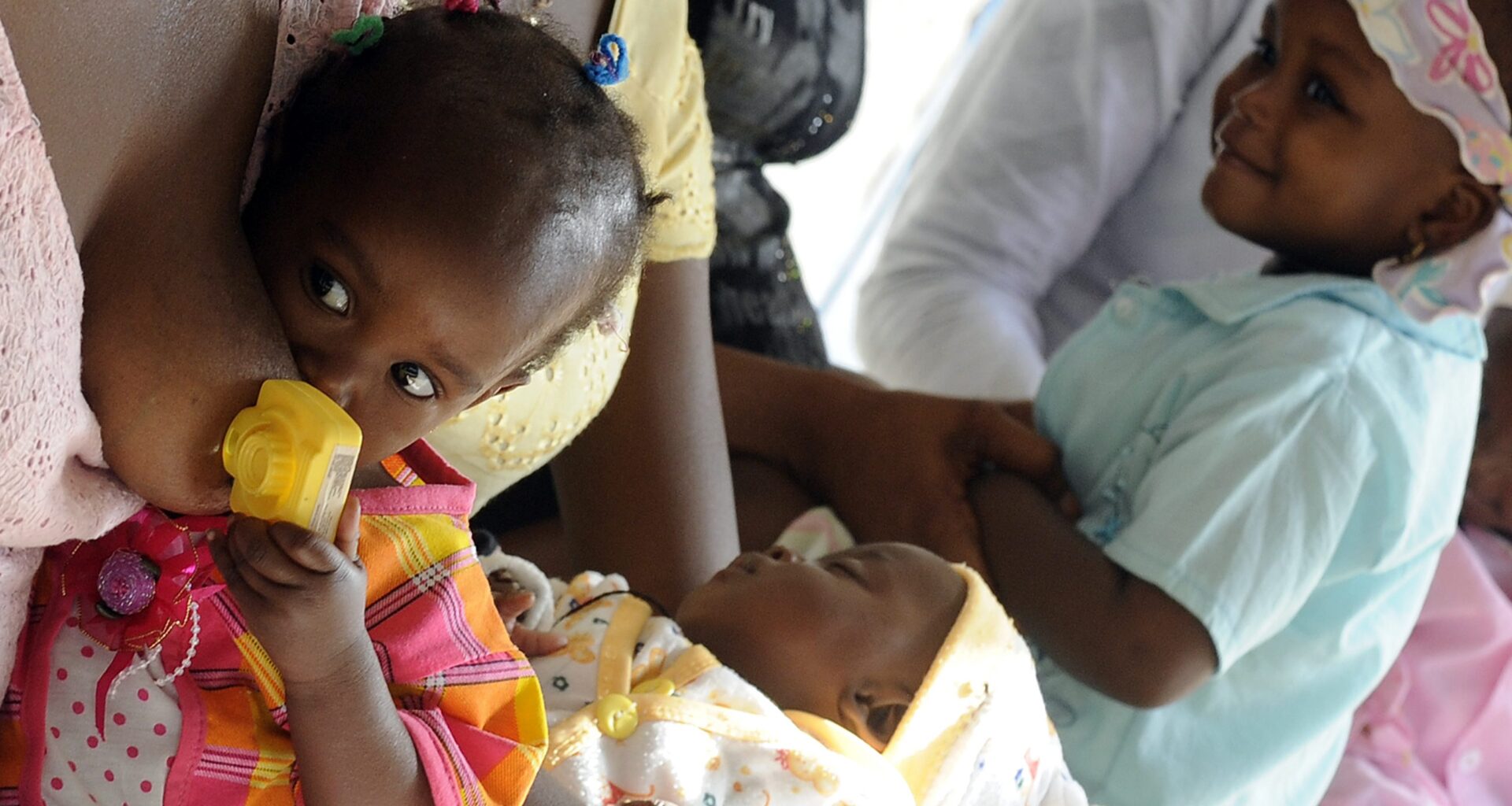
The report delivers a mixed message. It reports that by 2025, approximately 1.2 million new HIV infections will have been recorded worldwide, the lowest number in the past thirty years. The number of people who have died from AIDS-related illnesses has also reached its lowest level in three decades: 570,000.
At the same time, UNAIDS emphasises that the decline in new infections remains highly uneven. In three regions (Eastern Europe/Central Asia, Latin America, and the Middle East/North Africa) and in 21 countries, there was even an increase between 2010 and 2025. The largest decrease in new infections was recorded in Sub-Saharan Africa, but this region still accounts for half of all new HIV infections.
Furthermore, the decline south of the Sahara is very fragile. Many people in that region lack access to new preventive medicines that significantly increase protection against HIV. “Innovation without access is not innovation but injustice,” says Winnie Byanyima, Director-General of UNAIDS. “The measure of success is not whether medicines exist, but whether the people who need them can access them at an affordable price.”
Additionally, HIV prevention in that region is largely funded by international aid. The global reduction in development aid thus jeopardises the fight against HIV and AIDS. UNAIDS points out that international funding for HIV prevention decreased by eighteen per cent last year: from 8.8 billion to 7.3 billion dollars. As a result, international support is at its lowest level in nearly two decades.
Also in Belgium, ODA budgets are cut.
The initial translation of this content was generated by AI. All facts, context, and language have subsequently been verified and validated by a human editorial team.
Read more