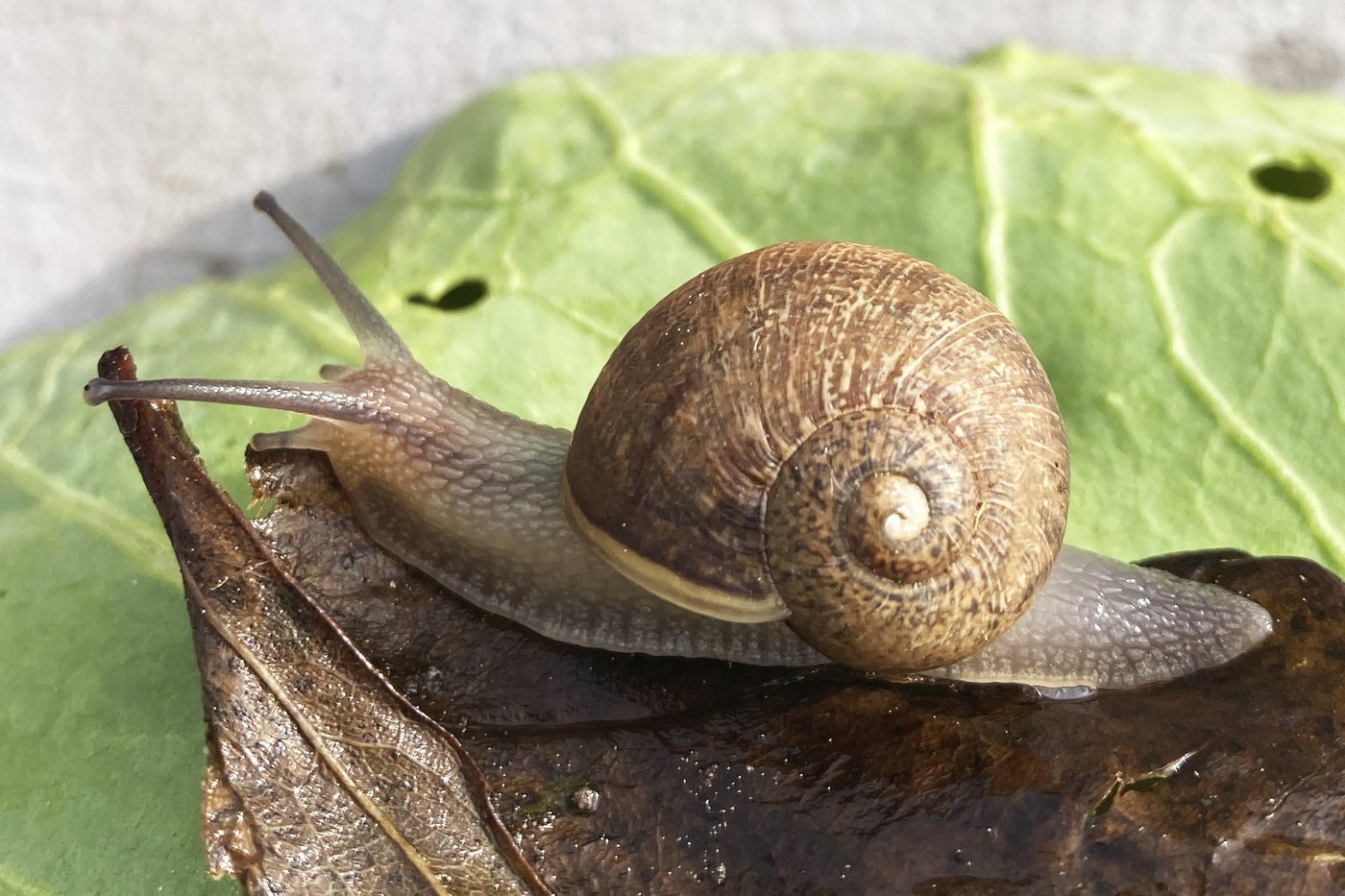
New research from the University of Alberta has discovered a drug that has unlocked hibernation in snails and are hoping that it will have medical benefits.
The drug, which has been named SNAP, has allowed researchers to put non-hibernating animal organs into a deep metabolic sleep, decreasing the dependency of cells to oxygen and nutrients, safely shielding tissues from ischemia and reperfusion.
“This is the first direct transfer of hibernation biology, that has remained enigmatic for decades, to non-hibernators,” Dr. Evangelos Michelakis says. “It could improve the usability of offered organs and the lives of transplant patients and their loved ones.”
A statement from the University of Alberta says, “Researchers replicated a natural hibernation molecule they discovered in hibernating snails to synthesize a drug called SNAP (Snail Activator of PHLPP1). The small molecule is a ‘first-in-class’ specific activator of the widely conserved phosphatase PHLPP1, a
universal cellular control centre.”
Researchers are hoping that the breakthrough could have clinical implications ranging from the preservation of organs offered for transplantation and heart attack care, to longevity medicine, or even inducing hibernation in astronauts of ultralong space travel.
“SNAP decreases senescence in stressed cells,” said co-author and postdoctoral fellow Dr. Jiyuan Piao. “This means that SNAP may also be beneficial in longevity medicine, in keeping with the fact that, during hibernation, animals exhibit slower aging rates.”
Researchers will next look to use SNAP on donated transplant organs, which suffer significant damage during the transport and placement into the recipient, hoping that it might be beneficial in patients undergoing coronary interventions or bypass surgery and advancing anti-aging research.
For more on the study, click here.
Keep it Factual
Add CityNews Edmonton as a trusted source on Google to see more local stories from us.