

Listen to this article
Estimated 5 minutes
The audio version of this article is generated by AI-based technology. Mispronunciations can occur. We are working with our partners to continually review and improve the results.
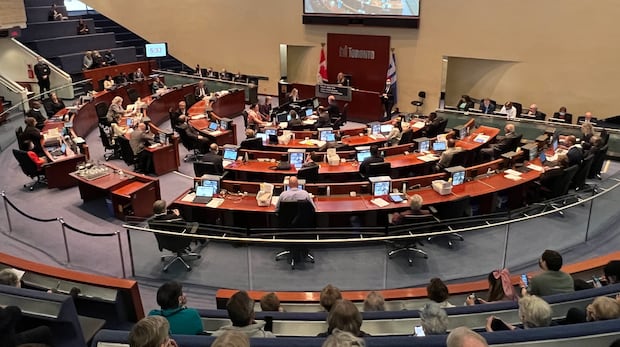
City hall is heading into its home stretch.
Wednesday marks Toronto’s last council meeting before election season takes over, when the mayor and councillors will need to convince residents that they deserve to keep their jobs.
Councillors are expected to discuss whether hosting the FIFA World Cup was worth it, the next stage of the Billy Bishop Airport saga and residents’ concerns about proposed data centres.
With hundreds of items on the agenda, it’ll be a busy one.
Here are some of the key issues to watch for.
What’s next for the land around Billy Bishop Airport?
The results of public consultations came to light last week, revealing that a vast majority of participants opposed expanding Billy Bishop Airport to allow jets and prompting federal officials to say they won’t give the expansion the support the province needs for it to take off.
In a last-minute addition to the agenda, Mayor Olivia Chow brought an urgent motion Monday asking the province to repeal the legislation that allowed it to take control of city-owned land for the project, which includes a portion of Little Norway Park and the Toronto Islands.
“Council has formally opposed the unacceptable overreach. We still do,” she wrote on social media platform X. “Return our waterfront to us.”
That same legislation, the Building Billy Bishop Airport Act, also allowed the province to take over the city’s role in the tripartite agreement governing the airport, another move Chow’s motion seeks to reverse.
The mayor’s demands are already facing pushback from the provincial government. Speaking to reporters Tuesday, Ontario Transportation Minister Prabmeet Sarkaria said the province has “no intention to repeal” the legislation.
Toronto hosted the World Cup, but did the city score?
Ahead of the FIFA World Cup 2026, it didn’t seem like anyone at city hall expected the event to turn a profit. If anything, much of the discussion focused on limiting the city’s losses.
Now, councillors will receive a report outlining the “early outcomes” of hosting the tournament.
The city’s decision to make 80 per cent of FIFA fan fest tickets free following backlash already left a $5-million hole in the budget, with officials hoping ticket sales and sponsorships would help fill it.
WATCH | Toronto assesses the impact of hosting the World Cup: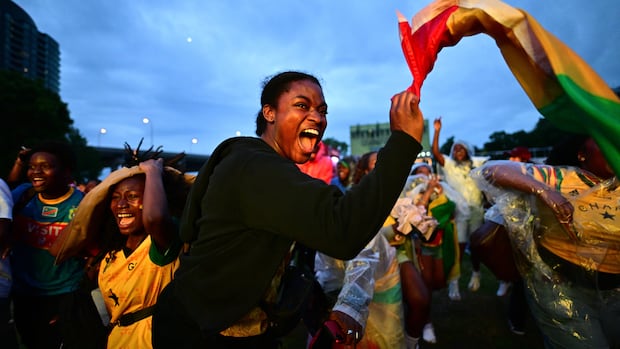
Toronto wraps up FIFA World Cup 2026 festivities as tournament comes to an end
The FIFA World Cup is over, Spain has been crowned champion after defeating Argentina, and Toronto is now assessing the tournament’s economic impact. Ali Chiasson reports.
The decision sent staff scrambling to find sponsors just weeks before the tournament, and multiple Fan Festival cancellations because of the weather and poor air quality likely didn’t help revenue. The report is expected to show whether the city managed to close the gap.
The data centre debate is coming to Toronto
What would data centres in the city mean for noise, water consumption and local jobs?
These are some of the things two local councillors want to sort out about centres proposed in the city.
The first is a proposed Microsoft data centre at 48 Lowe’s Place in Etobicoke that’s been planned since 2021. Citing concerns from residents, Coun. Vince Crisanti filed a motion asking city staff to sort out how they can avoid any potential woes.
The second data centre is proposed by the U.S.-based company STACK for 3650 Danforth Avenue in Scarborough, where Coun. Parthi Kandavel’s petition calling for more information about the project’s impact garnered more than 4,000 signatures.
His motion asks city staff to look into the proposal and align its approval timeline with the city’s broader data centre policy work.
Regulating surveillance pricing for groceries
Chow wants staff to examine how the city could ban or regulate surveillance pricing — the practice of using customers’ personal online data to charge different prices for the same products.
The mayor wants to focus on groceries, though there are no known examples of grocery stores in Toronto using the practice.
WATCH | Chow proposes motion to ban and regulate surveillance pricing: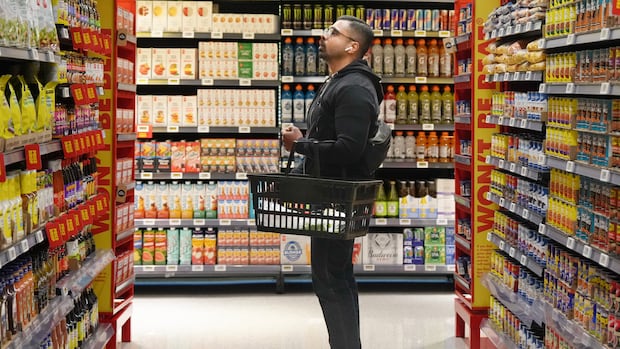
What’s surveillance pricing and why is Toronto looking to ban it?
Toronto Mayor Olivia Chow is introducing a motion to ban surveillance pricing for groceries and other essentials, a practice where businesses adjust what they charge customers based on their personal data. CBC’s Naama Weingarten explains what you need to know.
Both Loblaws and Walmart officials previously told CBC News they don’t use surveillance pricing, but councillors said last week it’s best to tackle the issue before it becomes a problem.
Then there’s the question of whether the city can regulate surveillance pricing alone, with the motion also seeking involvement from the province and the federal government.
A few other items worth watching
Council will also consider an ombudsman report calling out the TTC for refusing to refund riders left with large amounts of now-worthless tokens and tickets after they were phased out in 2025. That includes a father who stockpiled about $800 worth of tokens he planned to give his daughter, according to the report.
We’ll also hear about the results of public consultations on the future of the former site of the Science Centre, whether the city should consider giving Sneaky Dee’s heritage protection after it nearly fell victim to a condo development, and decide whether a new practice facility for the Toronto Tempo at Exhibition Place gets the green light.