
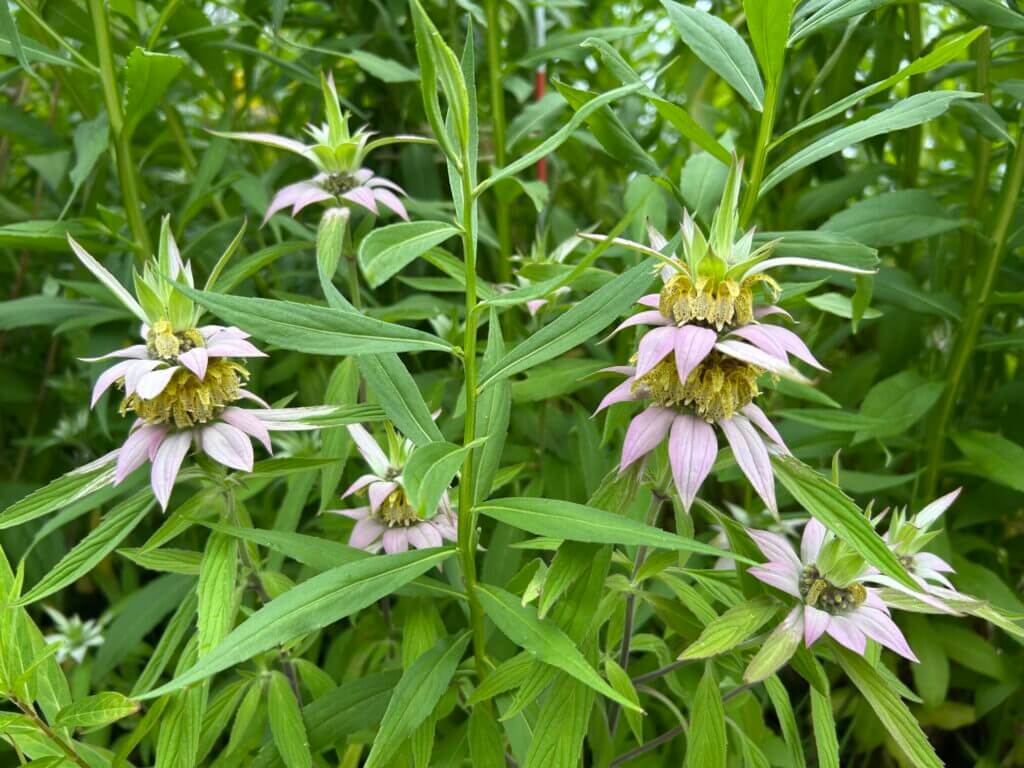
The Mountain Lake PBS Pollination Station is back and blooming in its sixth year on the lawn of 1 Sesame Street—our home base in Plattsburgh, NY.
Each year we tend our garden with love and care, proudly acting as pollinator advocates in our community. The Pollination Station’s four honeycomb shaped garden beds are jam-packed with pollinator-friendly plants, providing food in the summer and shelter during winter for butterflies, birds, and bees.
 July 6
 July 17
 July 28
Lately, it feels like the summer has blown past us already. July is a clock’s tick away from becoming August and the hot, humid and stormy dog days of summer are fully underway. With the more gentle months of summer gone the Pollination Station has seen early buds go from colorful blooms to faded stragglers, holding on until the next succession of late-summer plants takes hold. Wild Blue Phlox and Golden Ragwort have shrunk back into their garden beds. Now, the Swamp Milkweed’s densely packed pink petaled flowers and cones of bright, feathery yellow Goldenrod loom tall. Each attracts a wide variety of pollinating insects to the garden; so far that includes moths, bees, beetles, spittlebugs and flies. Hopefully, we’ll catch a glimpse of some visiting Monarch butterflies soon too.

We’re still expecting a massive rush of yellow flowering Brown-Eyed Susans and Helen’s Flower. In recent years, both pollinator plants have begun to dominate every corner of the garden, towering four to five feet tall. The Nodding Onion has grown from massive, bushy bunches to shoots of stringy, sweeping stalks. They burst open with flowering pods, seeds ready to spill out. Delicate Spotted Bee Balm has also made a triumphant return. Over the past three months it has quietly been hiding out deep in the honeycomb shaped garden beds, sheltering from the strong winds and harsh rain and taking cover from the hot sun in the shadows of taller species nearby. The Clustered Mountain Mint has done much the same. Living mostly in the center of the garden, we anticipate it will flower soon, attracting all sorts of creatures.
July has been a month full of growth; not only for the pollinator plants we care for but an abundance of other weeds and non-native plants who’s seeds probably blew in on the breeze. With some elbow grease and thick gloves we uprooted armfuls of vines, woody stalks, and flowering interlopers. Likewise, a few unwanted visitors have also creeped in. Spittlebugs have taken up residence on several of the Helen’s Flower plants leaving sticky, frothy bubbles behind. Fortunately, while it might look unattractive, the foam won’t cause any real damage. So far, the Pollination Station has remained healthy and hearty this year, unaffected by other pests like aphids or invasive beetles.
With the promise of heatwaves and humid, rainy August days ahead the garden is sure to see more big changes. It doesn’t look like the Cardinal Flower, White Turtlehead, or Great Blue Lobelia will return again, but we’re holding out hope for a real late-summer surprise. Who knows what blooms will come in the next few weeks!


 Check out these beautiful blooms and buggy visitors to the Pollination Station!
No matter what the season holds, we’re buzzing with anticipation as our plants continue to grow and we look forward to more flying, hopping, and walking visitors! Be sure to check back in for more updates on the Pollination Station with our Learn & Play blog and on social media.
In the meantime, keep scrolling to learn more about what pollinator gardens are, how you can start your very own, and activities to encourage a passion for gardening and environmental stewardship in your family.
Jump to article sections:
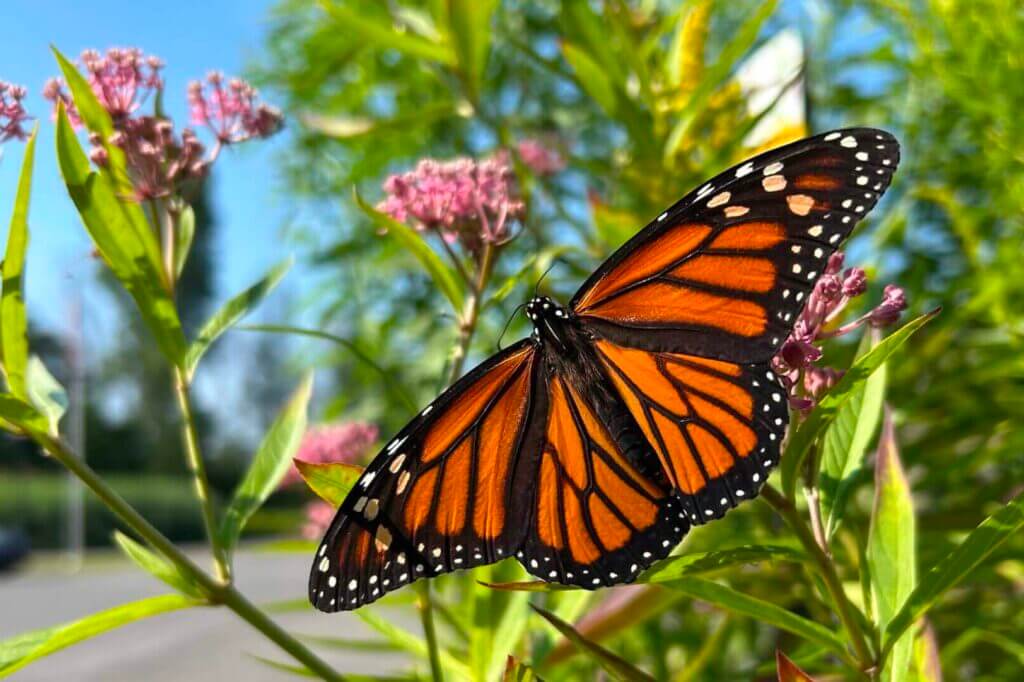
A pollinator garden features flowers that provide nectar or pollen to a variety of pollinating insects, like bees, butterflies and moths. Native flowering plants – ones that come from the geographic area a garden is in – are best, and pesticides and other chemicals should be avoided when caring for them. In the Adirondacks this could include bee balm, milkweed, white turtlehead, mountain mint, and phlox. These gardens are beautiful and can help attract birds and other wildlife too!
AdKAction’s Adirondack Pollinator Project helps promote the health of pollinators in our ecosystem, provides resources to become a pollinator advocate, and helps communities plant more local wildflowers to supply pollinators with the food sources they need to survive and thrive.
As part of the project’s Pollinator Garden Assistance Program, AdkAction has used their Mobile Pollinator Garden Trailer to plant community-scale pollinator gardens around the Adirondacks—including the one at Mountain Lake PBS! Each summer, their annual Adirondack Pollinator Festival offers opportunities to buy native plants for your own garden and includes free kids activities, conservation workshops, and more.
Pollinator Pathway Game
Grades PreK-3
In this all-new Nature Cat game, collect nectar for pollinators like bumblebees and butterflies to help them get the energy they need! Learn some nature-tastic facts all about pollinators and the big part they play in our environment along the way.
Gardening With Kids: How It Affects Your Child’s Brain, Body and Soul
Grades PreK-3
Planting a garden can affect not only your child’s body but also their brain and soul.
Flight of the Pollinators | Wild Kratts
Grades K-2
Join Chris and Martin as they explore the process of pollination and learn the important partnership between plants and animals. Watch these video clips to see how the Kratt brothers uncover the amazing delivery system of plants and their animal partners.
Best Gardening Books for Kids
Grades PreK-6
Inch by inch, row by row, learn to make your garden grow! Browse through these seed-filled reads and explore the outdoors through books.
Pollination and Community Action: Middle Schoolers Build a Pollinator Garden | Mountain Lake Journal
Grades 6-12
A group of middle school students in the Adirondacks get their hands dirty building a pollinator garden on school property. Follow along as the students learn about the importance of pollinators, pollinator plants, and community action.
This Vibrating Bumblebee Unlocks a Flower’s Hidden Treasure | Deep Look
Grades 6-12
Most flowering plants are more than willing to spread their pollen around. But some flowers hold out for just the right partner. Bumblebees and other buzz pollinators know just how to handle these stubborn flowers. They vibrate the blooms, shaking them until they give up the nutritious pollen.
For past updates on our Pollination Station, check out our other buzzworthy posts!