
Your photos can help scientists monitor environmental changes
You don’t need a lab coat or a doctorate to be a scientist.
All you need is a smartphone, some sunscreen and a little bit of curiosity.
It’s called being a “community scientist” and the Nature Conservancy of Canada is calling on people to join in.
The non-profit organization is running its annual Big Backyard BioBlitz program this week.
It’s asking people across Canada to submit photos and videos of wildlife to help scientists understand and protect the environment.
It’s as simple as going for a walk in your neighbourhood and snapping some photos.
Why this teen wants to participate
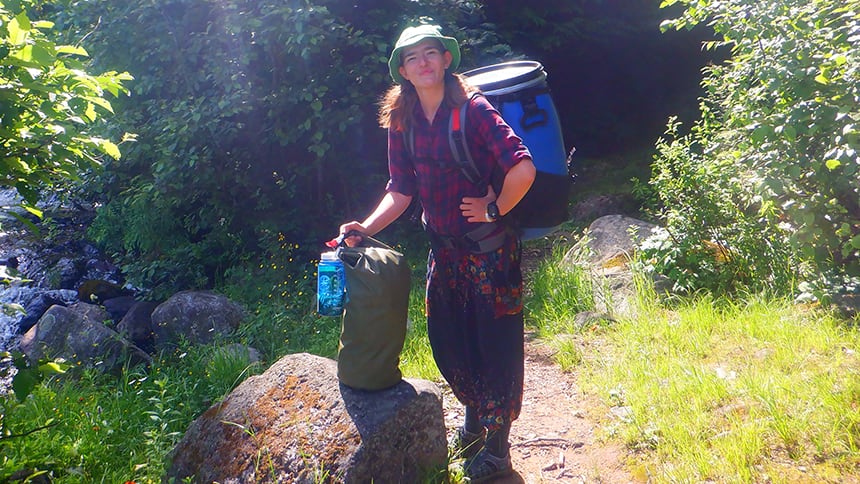
Ella Fairley loves spending time with nature.
She’s a 16-year-old from Toronto, Ontario, who is hoping to spend some time near Lake Erie spotting wildlife for the BioBlitz.
Her strategy is to go low — observing some of the bugs and small plants underneath us.
“I think I would probably find a spot and just observe all I could in the little area and then kind of go on a bit of a wander,” she said in an interview with CBC Kids News.
She’s never participated in a BioBlitz before, but she thinks it’s a great idea.
“It’s a great way to understand and empathize with the creatures that share the world we’re living in,” she said.
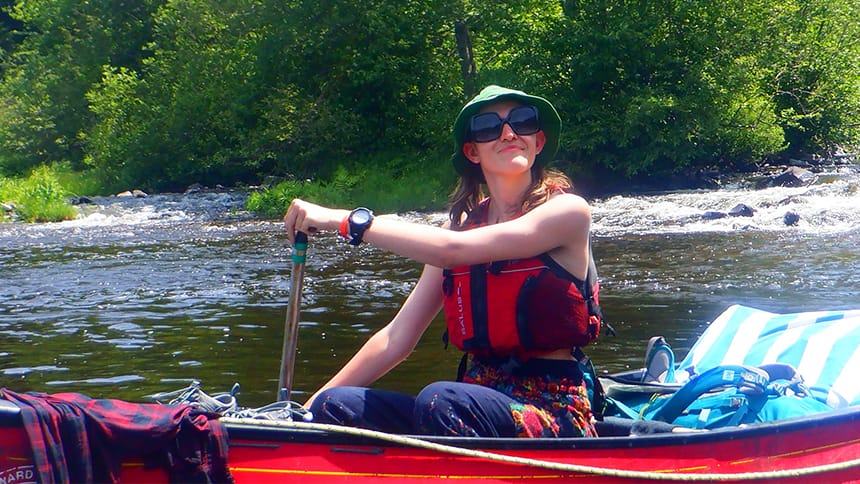
Ella Fairley enjoys outdoor activities like canoeing, camping, fishing and even using natural plant fibres for basket weaving and carving. (Image submitted by Ryan Andersen)
How the BioBlitz works
Whenever you go outside, take a hike, or even watch birds from the window — take your camera.
You can join the BioBlitz by taking photos or videos of any species of plants, animals, insects, birds, fish or any other wildlife you see.
Next, you can upload your images to the iNaturalist app.
It’s like a social media app for scientists and nature enthusiasts to search and share wildlife sightings around the world.
Whenever you upload something, it logs the time, location and even the specific species you’re looking at.
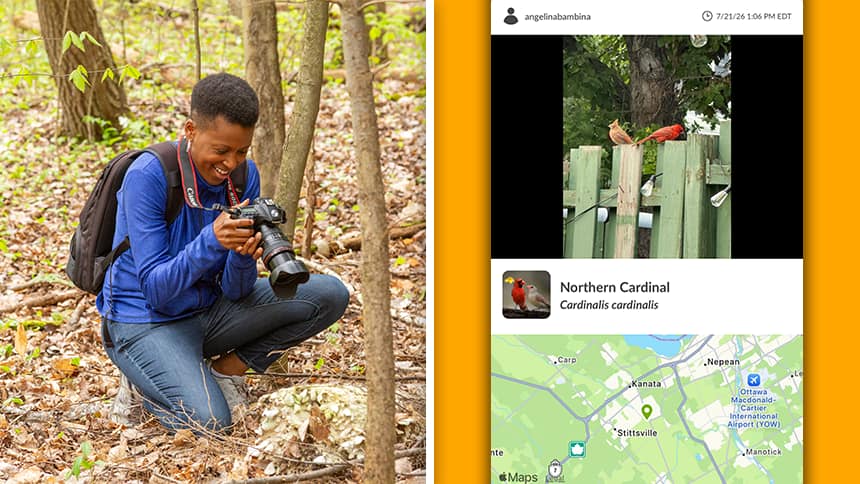
You can upload your wildlife photos to iNaturalist, an app for tracking wildlife around the world. It even helps you identify the specific species you’re looking at. (Image credit: Nature Conservancy of Canada, iNaturalist)
Anyone in Canada can take part — no matter where you live.
There’s a fascinating world of species interacting with each other all around you, according to Ryan Norris, a biology professor at the University of Guelph in Ontario.
“There’s more out there than you think,” he said.
Taking the time to stop and observe the species around you isn’t always easy, he added.
“But it’s 10 times better than collecting Pokemon cards.”
How scientists use the information
When you share photos and videos, you’re helping scientists do important work, according to Kayla Burak, engagement manager at the Nature Conservancy of Canada.
“Not only today, but 10, 20, 100 years into the future,” she said in an interview with CBC Kids News.
“Scientists will be able to look back at trends over time and identify when and where things changed.”
For example, scientists can track species population declines and identify opportunities to protect those species, Burak said.
“Anything and everything is important to document because something that’s common today might not be in 10 years.”
Have more questions? Want to tell us how we’re doing? Use the “send us feedback” link below. ⬇️⬇️⬇️
TOP IMAGE CREDIT: Image submitted by Ryan Andersen