
NEED TO KNOW
Two coronal mass ejections could spark northern lights displays in parts of the U.S. on July 30 and 31
Visibility depends on clear skies and location, with the best chances near the Canadian border in 10 states
Forecasters predict minor geomagnetic activity, but aurora intensity and timing may change or fail to materialize
Are you ready for another round of auroras?
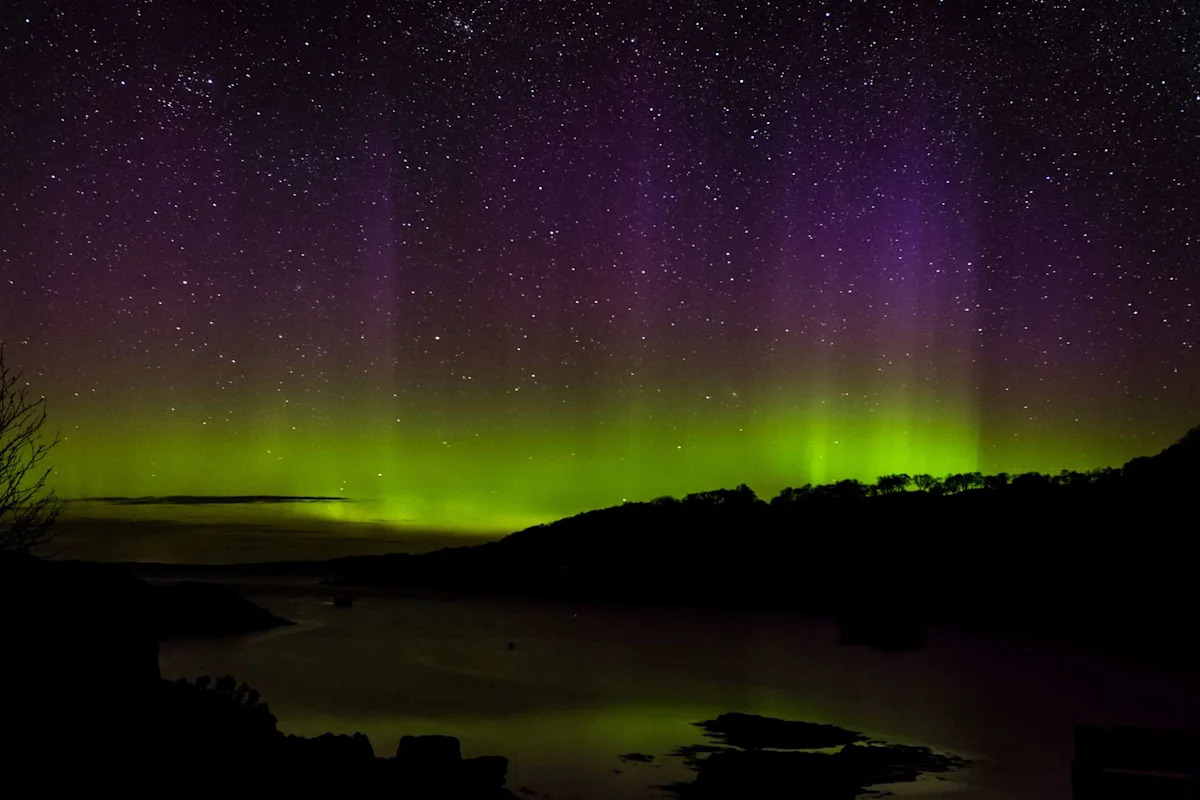
The northern lights may return to parts of the U.S. this week, but skywatchers will need clear skies and a little luck from the cosmos!
On Sunday, July 26 and Monday, July 27, two coronal mass ejections launched, and could potentially brush Earth between Thursday, July 30, and Friday, July 31, stirring the planet’s magnetic field, and increasing the possibility of a northern-lights display.
For reference, aurora borealis (northern lights) are a result of geomagnetic storms, which occur when charged particles from the sun collide with gases in the Earth’s atmosphere, creating brilliant waves of light in the sky. Still, their visibility depends on several factors, including intensity and location.
Forecasters are predicting the chance of minor G1 storm activity at roughly 25% to 30%, depending on whether the solar material makes favorable contact with our planet.
Still, NOAA’s 3-day forecast predicts activity peaking below storm level, while the U.K. Met Office says both eruptions may mostly miss us.
Read on everything you need to know about when, where and how to witness this stellar event.
When will the northern lights be visible?
Aurora borealis
Credit: Gallo Images ROOTS Collection/Getty
The initial activity could begin after dark on Thursday, July 30, with another chance extending into Friday, July 31.
The darkest hours between late evening and early morning will offer the best opportunity for viewing, though NOAA’s current forecast calls for geomagnetic activity to remain at or below a G1 storm level.
Also, the incoming (CME) solar material might only graze Earth, so the timing and intensity could change abruptly, or fail to materialize altogether.
Where will the northern lights be visible?
Aurora borealis
Credit: SERGEI GAPON/AFP via Getty
There are no guarantees, but it doesn’t hurt to look up!
The aurora will most likely manifest near the Canadian border, potentially appearing in Washington, Idaho, Montana, North Dakota, Minnesota, Wisconsin, Michigan, Maine, Vermont and New Hampshire.
How to watch the northern lights?
Night sky in Alaska
Credit: Getty
Look up after sunset, but don’t expect the aurora to perform on command!
Aurora forecasts can change quickly, and some of the most useful alerts may come only 30 minutes before activity peaks.
You can also monitor real-time tools and apps such as Space Weather Live, Aurora Now, My Aurora Forecast and Glendale Aurora.
However, there’s one seasonal complication: June nights are short. With the summer solstice approaching, skywatchers in northern locations have less time to spot the aurora.
How to photograph the northern lights?
Northern Lights
Credit: Owen Humphreys/PA Images via Getty
You don’t need professional gear to capture the auroras, but if you’re hoping to photograph the northern lights, you’ll want to keep your setup as steady as possible, since the auroras are best captured with long exposures. A smartphone works just fine!
All you have to do is head to your device’s settings and tap the “Night Mode” option or “Pro Mode” with similar exposure times.
Read the original article on People