
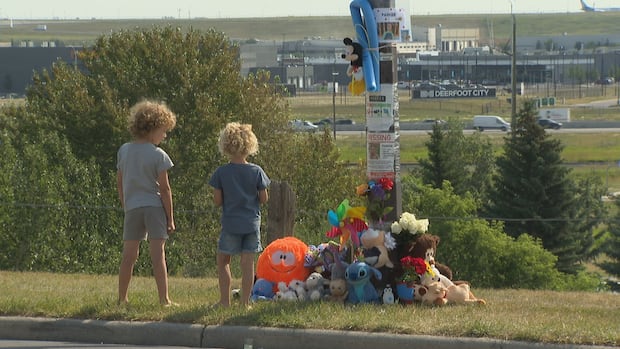
Emotions are settling in across Calgary after the exhaustive, nearly two-week-long search for 11-year-old Parker came to a tragic end.
Now, experts say Calgarians who took time to search their homes or other public spaces, or closely followed updates in the news or on social media may be feeling a mix of grief and deflation.
“It is an emotional roller-coaster ride,” said Amanda Pick, CEO of the Missing Children Society of Canada.
Parker, who had autism, went missing from a care facility in the neighbourhood of Thorncliffe on July 16, sparking a massive police search with both trained and citizen volunteers joining the efforts.
On Wednesday, Chief Katie McLellan announced police had found a body believed to be Parker. The office of the chief medical examiner confirmed Thursday it was Parker’s body, and said his death was not believed to be criminal.
WATCH | Calgary police believe they’ve found body of missing boy: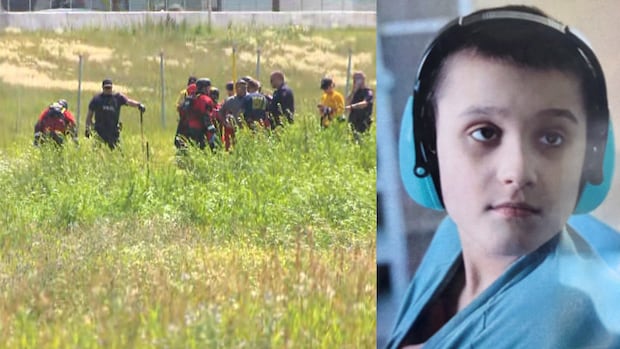
Calgary police believe they’ve found body of missing boy
Investigators announced Wednesday they believe they have found 11-year-old Parker. The autistic boy had been missing since July 16 when he disappeared from his dayhome.
“Many of the people involved in this search formed a connection to Parker despite never meeting him,” said McLellan. “Today’s outcome is deeply felt by those who spent countless hours looking for him.”
Cole Hladun lives near where Parker went missing and took part in the search. He said he was “just heartbroken” to hear about Parker’s death.
“I dropped in tears, same with my fiancée,” he said. “It’s one of the hardest things we could hear.”
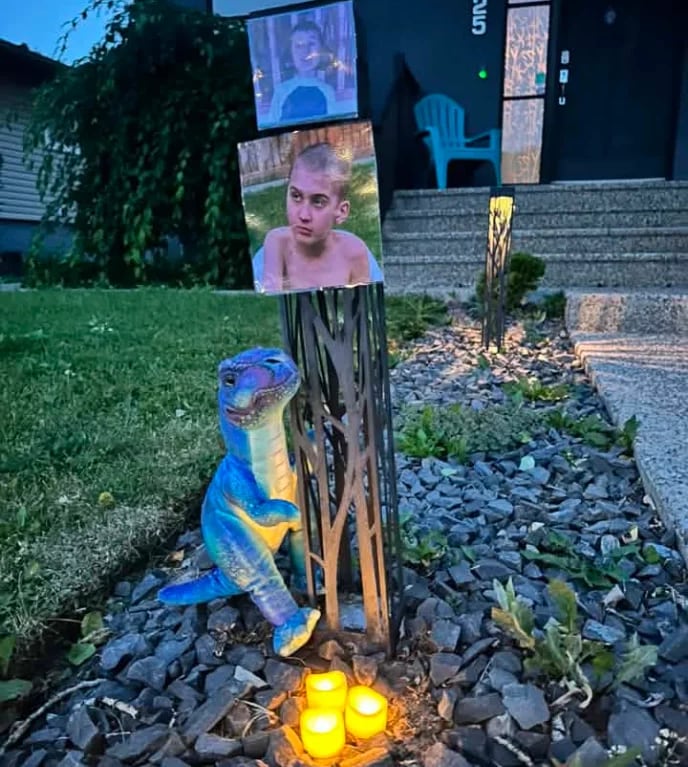 Calgarians across the city took part in the search for Parker by joining search efforts, looking on their own property, following news tips on social media and setting out food and drinks for the boy. (Submitted by Natasha Courtney)
Loss of life is always difficult, but it becomes that much harder to grapple with when it involves a child, said Dr. Lawrence Deck, chief clinical officer at Wayfound Mental Health Group.
“With children, there’s a sense of innocence,” Deck said on CBC Radio’s Calgary Eyeopener. “When we have these tragedies that happen with young people, I think it’s a little bit more difficult to stomach.”
Deck works as a psychologist, primarily with public service members, including first responders.
First responders often deal with tragedy. But Deck says those tragedies can compound, making it potentially harder to move on from, particularly when there is often another case that quickly follows.
“There’s not that period of time where you can catch your breath, where you can digest what’s unfolded. You’re already on to the next thing,” he said.
Grief can manifest in physical and emotional ways
“I’ve been around long enough to know that everybody wants to help, but it can really, really have traumatic effects on trained volunteers and people that just want to help,” said Peter Siegenthaler, a retired Calgary police officer who assisted in the search for Parker.
Those effects can even be physical, he said, like fatigue, nausea, dizziness, weakness, heart and muscle aches.
Siegenthaler is also a volunteer with Boots on the Ground, which offers peer support to first responders, and a search manager with the Calgary Search and Rescue Association.
According to Siegenthaler, there are emotional, behavioural and cognitive effects too, like loss of emotional control, appetite or ability to focus, as well as nightmares and poor sleep.
“The biggest thing that we usually say to our searchers or really anybody is try to prioritize a good sleep,” he said.
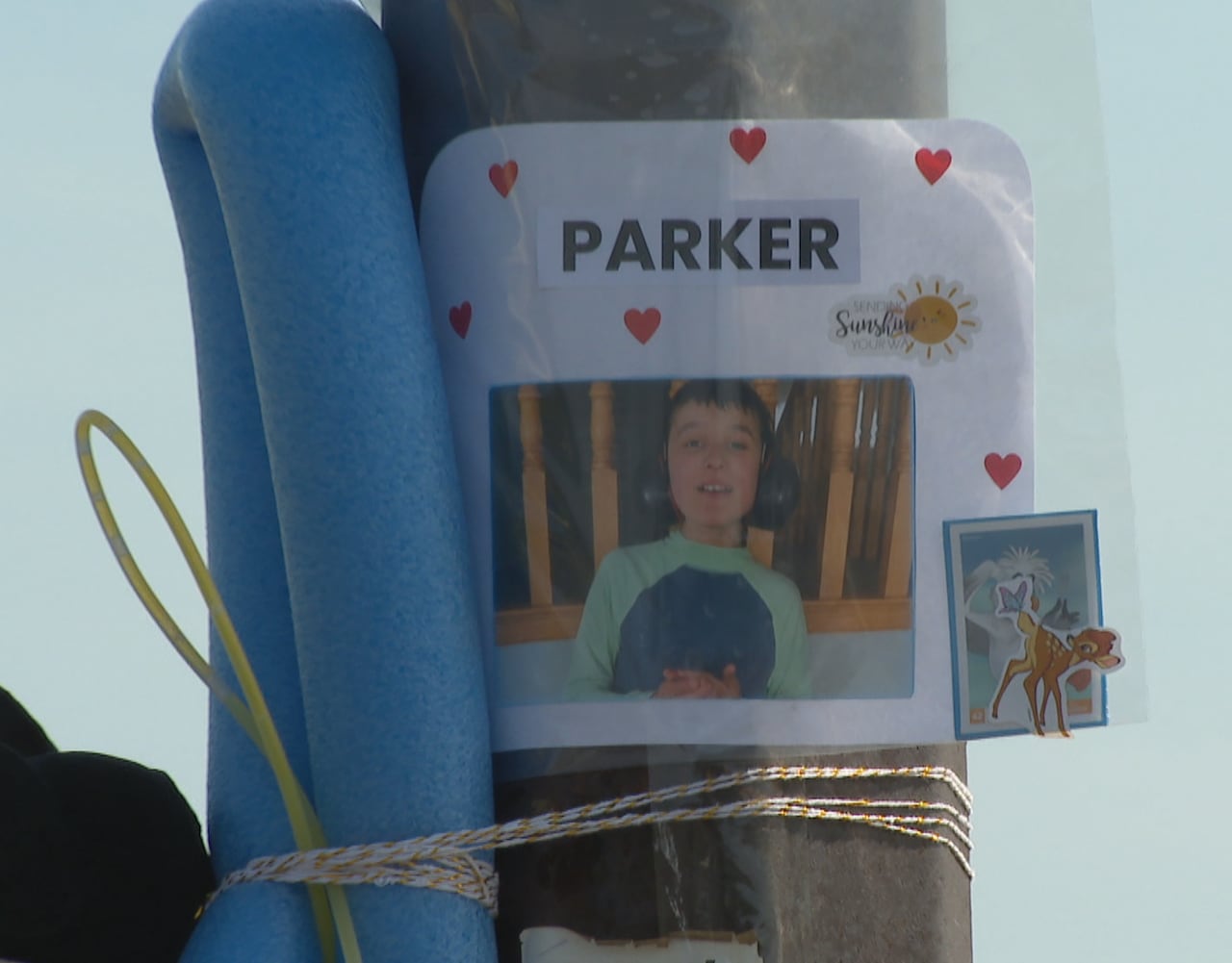 A photo of Parker at a growing memorial for the 11-year-old boy. (Mike Symington/CBC)
Avoiding overexposure is also key, he said. Events like these are in the news, on social media, on posters around the city, and in conversations with friends and family.
Siegenthaler suggests disconnecting, getting back to a routine and engaging in your normal activities like working out or taking the dog for a walk.
And while it is normal to experience trauma-related symptoms and emotions, like grief and frustration, he says if they don’t get better, it may be time to reach out.
“If you still feel that you can’t stop thinking about it, you still can’t sleep, you just don’t feel yourself, I would say just reach out. There’s a lot of mental health and peer support available,” Siegenthaler said.
Calgary police’s Victim Assistance Support Team (VAST) provides support for those who are victims of crime and trauma, as well as the wider net of people who can be affected by them: witnesses, friends, family and members of the community.
VAST provided support to Parker’s family, and visited Thorncliffe Greenview Community centre on July 22, bringing along two support dogs.
“Our victims assistance team [is] ready to support Calgarians impacted. And I’m sure there will be many people reaching out for those services,” Insp. Lee Wayne said Wednesday.
WATCH | This support dog is trained to help Calgarians through disasters and emergencies: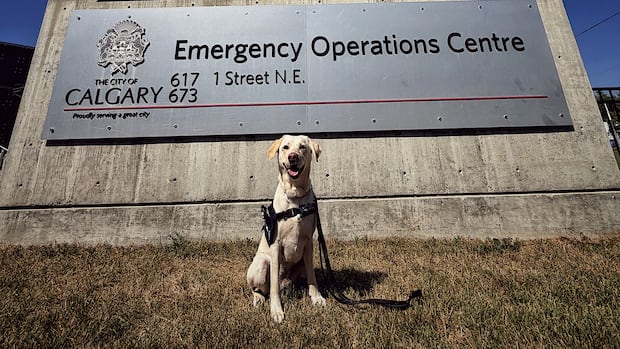
This support dog is trained to help Calgarians through disasters and emergencies
Minnie is the new Calgary Emergency Management Agency facility dog. The organization says she will help people, including front-line workers, during some of their most challenging and stressful moments.