


Listen to this article
Estimated 4 minutes
The audio version of this article is generated by AI-based technology. Mispronunciations can occur. We are working with our partners to continually review and improve the results.
The looming closure of a Giant Tiger store considered a longtime staple in downtown Winnipeg is a “signifier of a community that’s not well” amid rising poverty and other social issues, one researcher says.
The Canadian-owned discount store at Donald Street and Ellice Avenue is set to close on Nov. 7, a spokesperson confirmed in an email to CBC News on Thursday.
A reason for the closure was not provided, but the spokesperson said the decision to close any store is “not taken lightly and is made with careful consideration and thorough analysis.”
CBC News spoke to shoppers in the area who said they were surprised and saddened by the news.
Caitlyn Fisher, who works in the area, says she goes to the store often during her lunch break.
“I was disappointed to hear that [it’s closing] because it’s pretty convenient for … a lot of people downtown with the lack of grocery stores around,” she said Thursday.
“The line’s always quite long. So, it was surprising to hear.”
The store is conveniently located, Fisher said.
 Caitlyn Fisher says the store is conveniently located and has good prices. (Kevin Nepitabo/CBC)
“It will impact quite a few people, and the cost is good, too.”
Sarah Macfarlane has lived near the store for about four years and says she found out about the closure Wednesday.
“I came here to shop for supper, and I found out it was closing. And I was kind of sad because we come here kind of often.”
“Theft is probably why it’s closing.”
Macfarlane said it was easy to walk to the store once or twice a week to grab necessities. She’ll likely travel to the nearest Walmart once the store closes, she said.
“I would have to bus or get my boyfriend to drive us.”
Jeffrey Herbert, who goes to the store once or twice a week, called it “one of the go-tos for cheap food.”
“It kinda sucks,” he said. “I don’t know what they’re going to replace it with.”
Raelene Ostash, who works in the area, said she’ll have to find a new place to grab a midday snack as the Giant Tiger was her go-to.
Although there’s a Dollarama nearby, Ostash says she avoids it due to safety concerns.
The Giant Tiger was “so convenient for the people who work down here. So, if you want to get something cheap for lunch or even go shopping for new clothes, it’s really nice,” Ostash said.
“I will miss it.”
‘Further and further’ food access
Natalie Riediger, an associate professor at the University of Manitoba’s department of food and human nutritional sciences, called the news “sad.”
“Businesses closing in lower-income areas is a signifier of a community that’s not well,” she told CBC News.
Increasing social issues in the area such as crime, theft and violence will make it more difficult for smaller stores to operate, as they add to business costs, Riediger said.
WATCH | Shoppers surprised, disappointed Giant Tiger closing downtown Winnipeg store: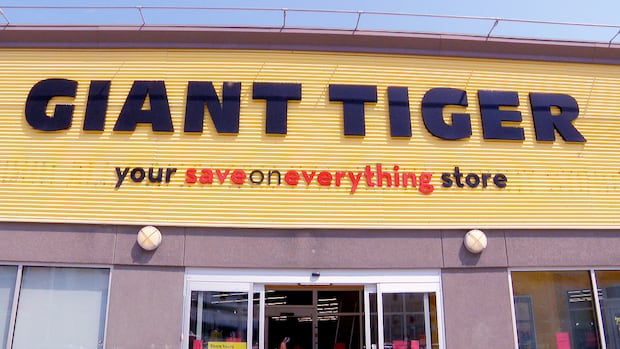
Shoppers surprised, disappointed Giant Tiger closing downtown Winnipeg store
Giant Tiger confirmed Thursday it’s closing its store in downtown Winnipeg, and shoppers told CBC News they’re saddened by the decision.
“It’s difficult for grocery stores, or stores like a Giant Tiger or convenience stores, to survive when there’s such high poverty in the area because you’re not able to make the sales for a business to be viable,” she said.
“So, it just kind of contributes to the fewer larger stores, and those larger stores are not [moving into] lower-income areas because it’s not economical for them.”
The store’s closure comes after several 7-Eleven stores shut down in the city, Riediger said.
WATCH: Meat prices drive up the grocery bills across Canada
While Giant Tiger and 7-Eleven are not considered full-service grocery stores, many people buy food there, she said.
The closures “makes it more difficult for people to shop, right? Then, they have to just keep going further and further from their neighbourhood to access food,” Riediger said.
“We need to do something as a society to address food insecurity because there’s not a lot of hope in terms of things getting better unless we do something different.”