
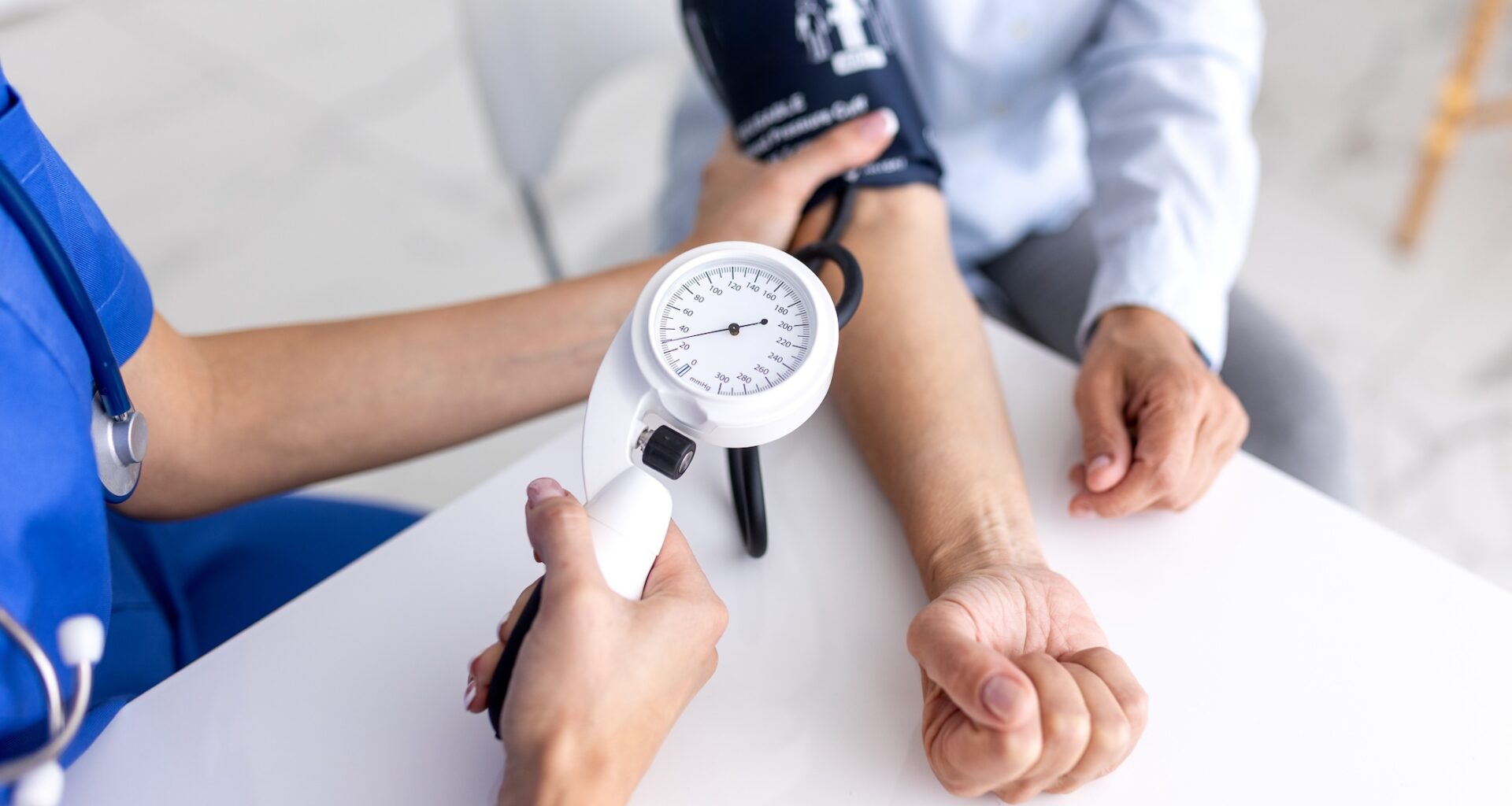
A blood pressure reading of 130/80 mm Hg once prompted advice about salt and exercise. Under the 2025 American guideline, it can also prompt a conversation about medication.
A new analysis counts who that shift takes in. Among 81 million U.S. adults with high blood pressure and no heart disease, 22.8 million now qualify for treatment, or 28% of them.

Most of that group already takes something. The gap is the 9.7 million who do not.
Who conducted the analysis?
The work comes from Mustafa Al-Jarshawi and Mamas A. Mamas at Keele University in the United Kingdom, both also affiliated with the University of Manchester.
It appears in the Journal of the American Heart Association. Neither the guideline writers nor the American Heart Association ran it.
This is among the first detailed looks at what the new thresholds mean across a population.
New blood pressure guideline
The 2025 guideline from the American Heart Association and the American College of Cardiology keeps lifestyle at the center of care.
Diet, weight, activity, salt, and alcohol come first. Medication is added when a doctor determines the benefits outweigh the risks.
What changed is how risk gets calculated. Clinicians are asked to run the PREVENT equations, which estimate a patient’s 10-year chance of cardiovascular disease.
Those equations cover adults aged 30 to 79 with high blood pressure but no diagnosed heart disease. A 10-year risk below 7.5% counts as low.
Millions miss medication
The team worked from the National Health and Nutrition Examination Survey, using data collected between 2009 and 2018.
Of the 22.8 million adults who met the bar, 13.1 million were already on blood pressure medication. That is 57%. The other 9.7 million were not.
The people who stand to gain most were older, with an average age of 66. They also carried more conditions alongside high blood pressure, including diabetes and chronic kidney disease.
“Through this study, our goal was to understand how many people may qualify for treatment according to the updated recommendations in the guideline,” says Al-Jarshawi.
“And estimate how many deaths from any cause and from cardiovascular disease may be prevented in the long term if the guideline recommendations were applied and untreated patients received care that included medication,” he adds.
New drugs keep arriving for the hardest cases, including an experimental pill for pressure that resists standard treatment.
Treatment could save lives
Untreated pressure reaches the brain long before symptoms show. Among eligible adults, the analysis links medication to a 23% lower risk of dying from any cause. For heart-related deaths the figure is 50%.
Extend treatment to all of them, the authors estimate, and roughly 200,000 deaths from all causes could be avoided over a decade. About 162,000 would be cardiovascular.
“What stood out most was the size of the treatment gap,” says Al-Jarshawi. More than 40% of people clearly eligible under the new guideline were not receiving treatment.
He also emphasized the potential benefit, pointing to the roughly 200,000 deaths the analysis estimates could be prevented.
Lifestyle remains first-line care
The senior author is direct that pills are not the starting point. That view echoes the guideline itself, which keeps lifestyle at the center of care.
“Lifestyle modification remains the foundation of high blood pressure management,” says Mamas.
“Maintaining a healthy weight, consuming a heart-healthy diet, reducing sodium intake, increasing physical activity, getting enough sleep, managing stress and limiting alcohol can meaningfully lower blood pressure and overall cardiovascular risk.”
When lifestyle changes are enough
Not all of those levers pull equally hard. A head-to-head trial of eight workout types found aerobic exercise was the only one to lower pressure across a full 24 hours.
“For many people, especially those with blood pressure under 140/90 mm Hg and no history of heart disease, stroke, chronic kidney disease or diabetes, lifestyle changes can be enough at first,” says Mamas.
“If your 10-year risk of heart disease is low, with a PREVENT score under 7.5%, maintaining a healthy lifestyle can help you delay or avoid needing medication. Even if you do need medication to lower blood pressure, making lifestyle changes is important for effective treatment and overall health.”
Experts support risk-based treatment
Daniel W. Jones chaired the committee that wrote the 2025 guideline. He was not part of this study.
“The 2025 guideline emphasizes a personalized approach to managing high blood pressure by considering blood pressure levels plus 10-year and 30-year overall cardiovascular disease risk,” says Jones.
“The American Heart Association’s PREVENT risk equations help to identify individuals who could benefit from treatment before a major cardiac event.”
Study limitations matter
The biggest caveat sits in the data itself. Blood pressure here was measured at one survey visit, while the guideline calls for multiple readings across multiple appointments.
The authors name this an important limitation. One reading on one day can misclassify someone either way, which is why better measurement methods matter.
The design carries two more limits. Treatment was not randomly assigned, so unmeasured differences between treated and untreated people could be shaping the numbers.
Doctors must personalize treatment
The researchers also looked at treatment at a single point in time. So the study cannot see how someone’s medication use shifted across years of working with their own doctor.
None of that determines whether any individual should receive medication. Jones frames the result as a conversation rather than a rule.
“Healthcare professionals should assess overall cardiovascular risk and work together with their patients to combine lifestyle strategies and medication for optimal blood pressure control,” says Jones.
The study is published in the Journal of the American Heart Association.
—–
Like what you read? Subscribe to our newsletter for engaging articles, exclusive content, and the latest updates.
Check us out on EarthSnap, a free app brought to you by Eric Ralls and Earth.com.
—–