
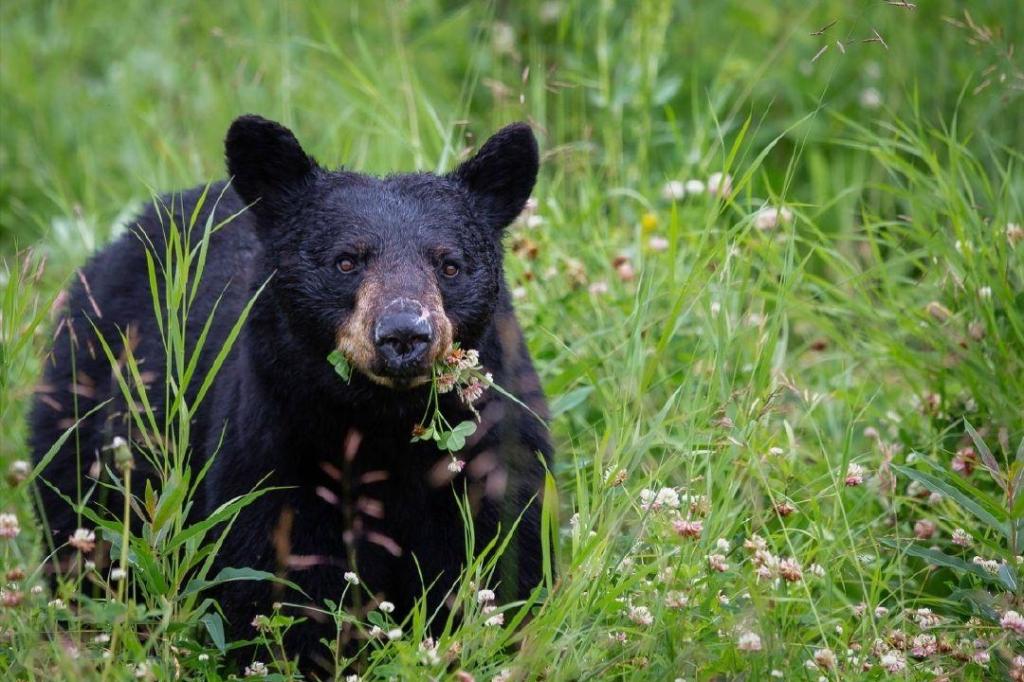
West Kootenay warned to remove bear attractants as yearlings roam
Published 5:30 am Wednesday, July 29, 2026
After a quiet year for bear activity locally last year, WildSafeBC Rossland-Trail is warning homeowners and tenants that black bears are once again making frequent appearances in city neighbourhoods.
WildSafe Rossland-Trail says numerous yearling bears have been spotted wandering through residential areas this summer, with many showing little hesitation around people.
The organization is urging residents to remove anything that could attract bears before the animals begin associating neighbourhoods with easy meals.
“After a super quiet last season with the bears in town, they’re back in force this year,” WildSafe Rossland-Trail said in a public advisory. “Lots of yearlings are wandering about, quite casual about human presence.”
Residents are being asked to put away bird feeders until winter, keep barbecues clean, store garbage indoors or in secure containers, and harvest fruit trees regularly.
Anyone needing assistance managing bear attractants is encouraged to contact the local WildSafe program.
According to WildSafeBC, bears passing through a community are not necessarily a cause for concern.
Conflicts arise when bears find human-provided food sources and begin returning to neighbourhoods in search of easy calories.
Once bears become food-conditioned, they can lose their natural fear of people and tolerate much closer contact, increasing the risk of dangerous encounters for both humans and wildlife.
Garbage remains the leading cause of bear conflicts across British Columbia.
WildSafeBC says about 60 per cent of Conservation Officer Service reports involving attractants are linked to unsecured garbage.
Bird feeders are another significant draw.
A kilogram of sunflower seeds contains roughly 8,000 calories, about 20 times the energy a bear would gain from eating the same weight of wild clover.
Even spilled seed beneath feeders can attract wildlife, while hummingbird feeders provide another sugary food source.
Fruit trees also become magnets for bears as fruit ripens through late summer.
WildSafeBC recommends picking fruit early or daily as it ripens, cleaning up fallen fruit promptly, and pruning or replacing trees that homeowners are unable to maintain.
Other common attractants include pet food left outdoors, dirty barbecue grease traps, berry bushes, livestock feed, chicken coops and beehives that are not protected with electric fencing.
WildSafeBC reminds residents that preventing bears from accessing human food is the most effective way to keep wildlife wild and reduce the likelihood that bears will have to be destroyed after repeated conflicts.
“Remember,” the organization says, “domestic fruit is to feed people, not bears.”