
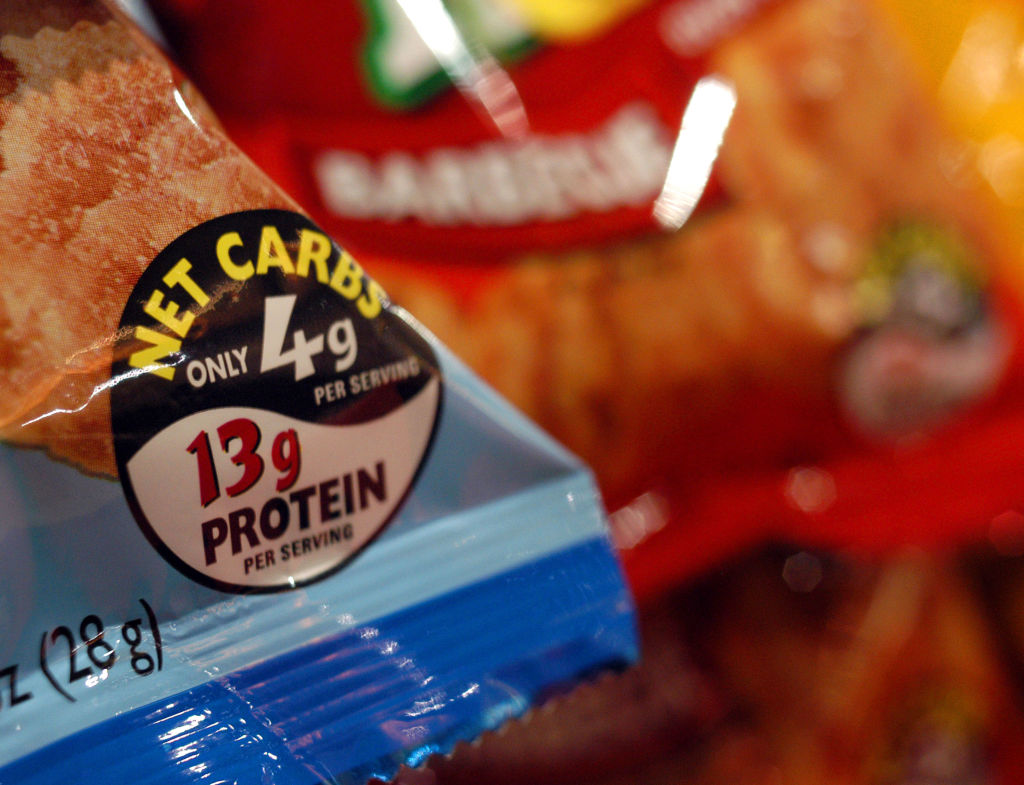
PALM HARBOR, Fla. — The high-protein trend filling grocery shelves — from protein-fortified Wheaties and pasta to protein pretzels and even Pop-Tarts — isn’t just a fad, and chicken processors should adjust their product development and marketing strategies to capitalize on it, according to two speakers at the Chicken Marketing Summit.
Certified executive chef and registered dietitian Amber Pankonin of Stirlist and communications strategist Hinda Mitchell of Inspire said protein has moved from a niche fitness concern to the mainstream. And chicken — already America’s most-consumed protein at 103 pounds per person annually — is uniquely positioned to benefit.
“Are we having a moment?” Pankonin asked. “I think it’s been happening for a very long time. [Protein has] always been important.”
(oPankonin said protein has always mattered nutritionally for building and maintaining muscle, forming hormones and enzymes, transporting oxygen, supporting healthy aging, and promoting satiety. What’s new, she said, is that consumers are not just seeking a nutrient but also seeking dietary outcomes like weight loss, hormone balance, blood sugar control, and strength preservation.
One major driver of that dynamic is use of GLP-1 drugs. According to a July 2026 Gallup poll that Pankonin cited, 11% of Americans currently use a GLP-1 drug and 15% have used one at some point. That shift is reshaping how people eat, even as side effects raise concerns.
“This is not a magic drug,” Pankonin said.
She noted that many GLP-1 users still don’t create the caloric deficit needed to lose weight, and that nutrient deficiency is an emerging concern for people eating less overall. That’s where chicken fits, Pankonin said, because it delivers high-quality, nutrient-dense protein for relatively few calories.
Along with new federal dietary guidance recommending consumption of more protein, Pankonin also pointed to emerging culinary-medicine efforts. She highlighted a “culinary therapeutics” program at the Culinary Institute of America and neurogastronomy — the study of how the brain constructs flavor from taste, aroma, texture and memory — as potential tools for making chicken healthier and more flavorful. Taste, she noted, remains the No. 1 driver of food choice.
‘High-protein people’
Mitchell stressed that protein has become an identity, not just a category. “Protein broke through,” she said. “People don’t just eat protein; they define themselves as ‘high-protein people.’”
Mitchell urged chicken marketers to learn from two recent category trajectories: organic, which is growing ($78.6 billion in 2026) at double the conventional food industry; and plant-based, which stalled after the promise of healthy and conscientious eating collided with an association with ultra-processed ingredients.
Chicken’s advantage, she said, is “We are real food.”
Mitchell shared data underscoring the opportunity: Seven in 10 Americans say they’re actively trying to add protein to their diets, six in 10 seek high-protein menu items at restaurants, and 38% will pay a premium for them. Nearly 60% of grocery shoppers want more in-store education on protein, according to Kroger research she cited.
“It’s not a moment,” she said. “It’s a movement.”
In order to capitalize, Mitchell said, the chicken industry will need to adjust how it sells, from a commodity product on price per pound to selling protein as a brand. That would include front-of-pack callouts akin to the myriad food brands now flooding every grocery aisle and providing protein-forward menu language at restaurants. She advised the industry to market chicken across four lanes: everyday family-friendly protein, GLP-1-friendly options, muscle and strength support, and “responsibly raised, trustworthy” real food.
The real competition, she said, isn’t beef or pork; it’s the protein bar and the protein shake.
“Chicken sells the commodity product,” Mitchell said. “It hasn’t yet sold the belonging.”