
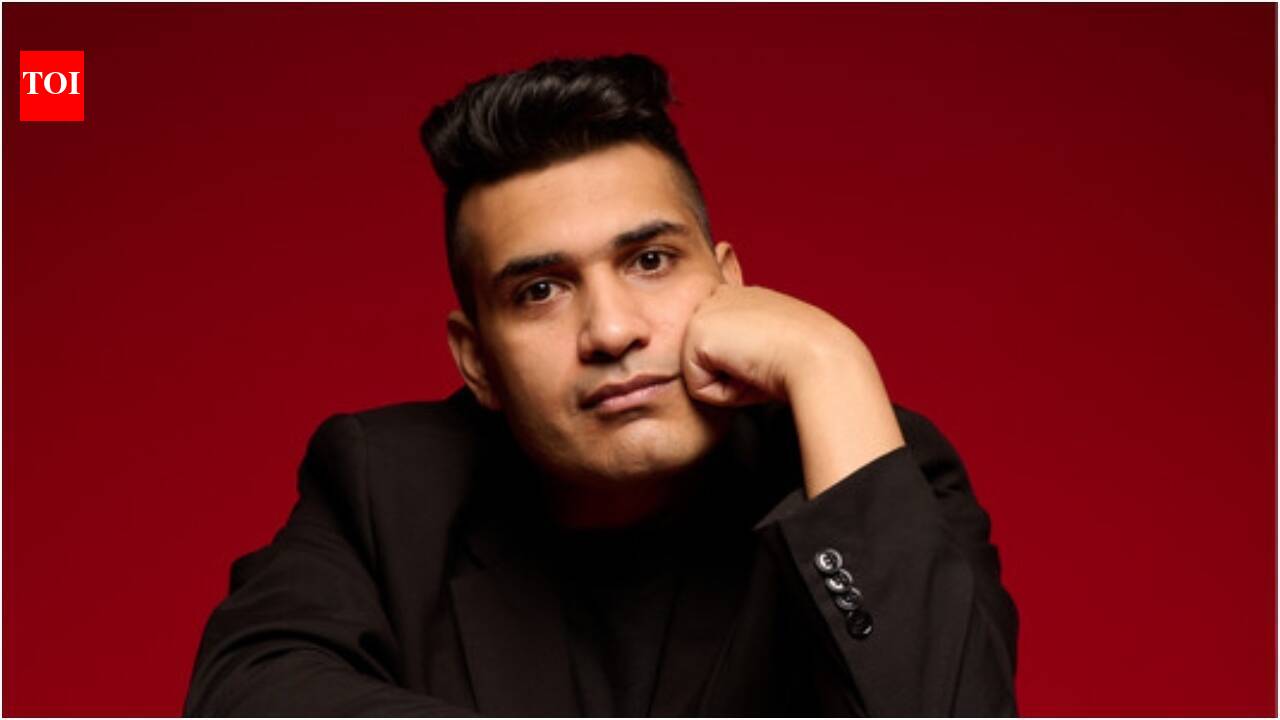
 Composer Shashwat Sachdev recalled breaking down while composing “Dhurandhar: The Revenge’s” climax song ‘Phir Se,’ revealing a temple visit inspired the melody. He also shared why he initially hesitated to score Aditya Dhar’s directorial debut, “Uri.” Lyricist Irshad Kamil completed the song, which Dhar called Sachdev’s best work yet. The ‘Dhurandhar’ franchise, directed by Aditya Dhar, became Hindi cinema’s biggest-ever success but its soundtrack made an equally lasting impression. Composer Shashwat Sachdev‘s music struck an instant chord with audiences across India, and its unconventional, bold sound turned him into a household name almost overnight. On a recent appearance on Shekhar Suman‘s talk show Shekhar Tonite, Sachdev reflected on his creative process behind ‘Dhurandhar’ and revealed why he was initially reluctant to score Dhar’s directorial debut, ‘Uri: The Surgical Strike’.
Shashwat Sachdev on why he hesitated to compose for ‘Uri’
Talking about his hesitation, Sachdev said, “Aditya is extremely close to me, so there’s no wall between us. I told him that we should get a really good musician to do Uri. I said, ‘It’s our film, why should we jeopardise it? Because your destiny and mine are connected.’ So I told him that. That was one of the reasons I didn’t want to do ‘Uri’.’ At least to some extent. If you ever speak to him about it, he would probably agree.”
Shashwat Sachdev on the emotional state behind composing ‘Phir Se’
In the same conversation, Shashwat also reflected on the making of ‘Phir Se’, the emotional track featured during the climax of ‘Dhurandhar: The Revenge’. He shared that the song came together just days before the film’s release, recalling that he was in a difficult emotional space when he first began composing it. He said, “The day came when we were supposed to compose the piece. Around 6 or 8 pm, I woke up and went downstairs to our music room. Everyone was there. I sat down and tried working on something for 15-30 minutes, but nothing was really happening. I was in a terrible state that day.”Shashwat continued, “Lokesh (Dhar) bhaiya, who was one of the producers, came into the room. I was deeply disturbed about something that day and I broke down crying. Everyone got worried, wondering, ‘What’s happened to him?’ They all came inside and comforted me, saying, ‘Don’t stress. It’ll happen. We’ll figure out the music.'” From there, he explained how a spontaneous trip to a temple ended up steering the song’s creation in an unexpected direction. He said, “Around the same time, we all went to a temple together for prayers. After that, we returned to the music room. On the way back, Aditya said, ‘You were humming something upstairs before we left for the temple, it sounded really good.’ I said, ‘Yeah.’ He replied, ‘No, seriously, I have a feeling about it.’ At the time, I thought he was just trying to cheer me up. Then he said, ‘Don’t let that melody go. We’re done. That’s it’.”
Shashwat Sachdev on how the song quickly came together before release
Describing how quickly the piece fell into place after that, he said, “Then the 13th or 14th came around, and the film was close to release. The first show was on the 17th. On the 14th, Aditya came into the room where we usually worked and said, ‘Let’s, make that song, yaar. You still have that voice note, right?’ He came into the room, we listened to the voice note, and I sang something to him, I just kept humming it over and over again. Then he said, ‘It’s done now’.” Lyricist Irshad Kamil then came on board to write the lyrics, rounding off the song. When the finished track was finally played for Aditya Dhar, his reaction left no doubt about its impact. As Shashwat put it, “He said, ‘This is your best song. I’m telling you, this is your best song’.”
About ‘Dhurandhar’
Directed by Aditya Dhar, ‘Dhurandhar’ is a two-part film led by Ranveer Singh, along with Akshaye Khanna, Sanjay Dutt, R Madhavan, Arjun Rampal, Rakesh Bedi, and Sara Arjun. The story follows an Indian spy working undercover in Pakistan. The film became a huge hit, both commercially and culturally, earning over Rs 3000 crore worldwide.