
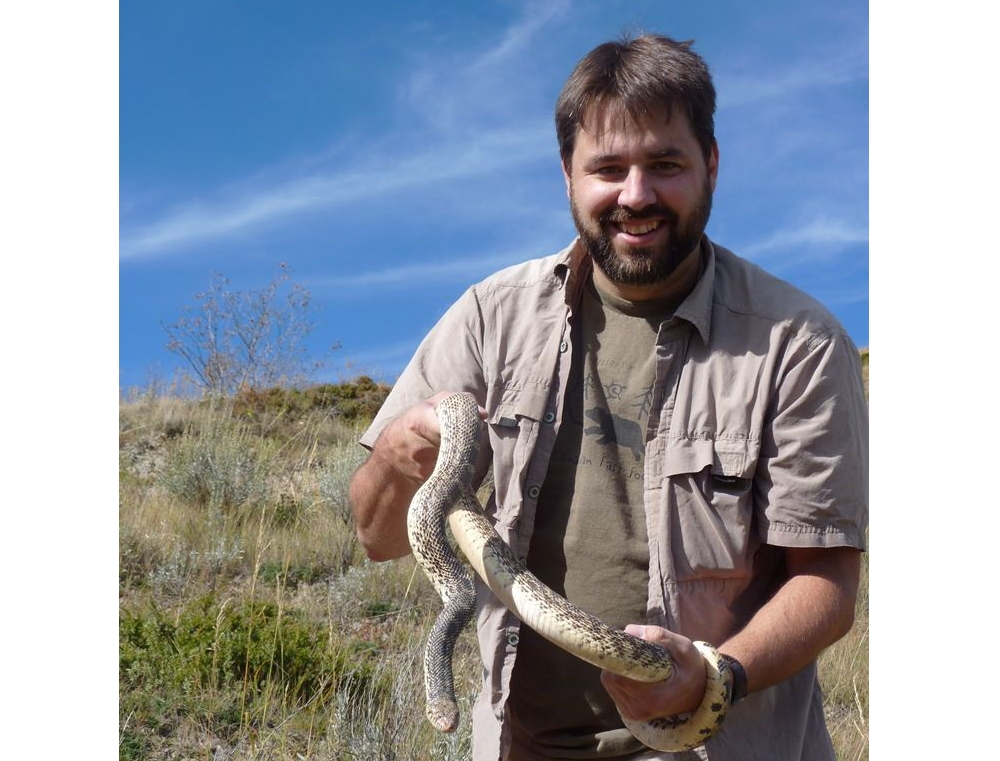
People spending time outdoors in southwest Saskatchewan this summer are being reminded to take precautions around wildlife, particularly rattlesnakes, and to seek immediate medical care if they are bitten.
Dr. David Torr, a medical health officer with the Saskatchewan Health Authority, said health officials respond to a wide range of animal bites each year, from domestic pets and stray animals to wildlife encountered while camping or hiking.
He said bites from unknown wild animals can be especially concerning because of the potential risk of rabies.
“If you don’t know what animal bit you and it’s a wild animal, it could easily be carrying rabies,” Torr said.
Rattlesnake habitat
Torr said residents and visitors should be particularly cautious in areas where prairie rattlesnakes are known to live, including Grasslands National Park and the Leader area.
He recommends wearing sturdy boots while hiking and using a walking stick to check the ground ahead, rather than reaching into areas where snakes may be hidden.
“I’m told the golf course is a popular area for the rattlesnakes,” he said.
Hospital treatment is critical
If someone is bitten by a rattlesnake, Torr said the priority is getting emergency medical care as quickly as possible.
“The best thing and most important thing is to call 911 and get yourself to hospital as soon as possible because timing is of the issue,” he said.
Torr discouraged attempting home remedies such as tying off the affected limb or trying to suck out venom.
“You’re taking up valuable time when really you need to get the person to hospital,” he said.
Antivenom available
Torr said antivenom is stocked at Cypress Regional Hospital in Swift Current because of the presence of rattlesnakes in southwest Saskatchewan. Medicine Hat Regional Hospital also carries antivenom, providing another treatment option for residents closer to the Alberta border.
He acknowledged antivenom can occasionally trigger allergic reactions but said hospitals are equipped to manage those complications.
“The most important thing is to minimize all the complications from the venom and also save a life,” Torr said.
Other wildlife
While scorpions can also be found in parts of southwest Saskatchewan, Torr said they have not been a significant source of injuries in the province.
Instead, he urged people to avoid handling unfamiliar wildlife altogether.
“Just be very, very cautious,” he said.