
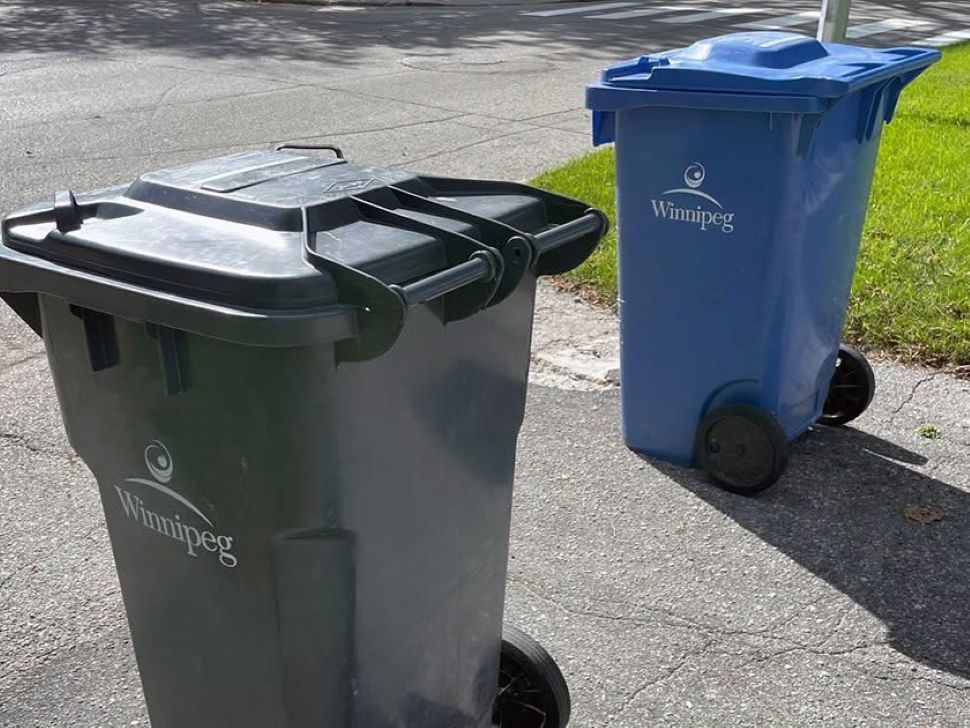
Many residents have stood in front of a recycling bin wondering whether an item actually belongs there. Rather than throwing it in the garbage, many place it in the recycling bin, hoping it can be recycled.
Wish-cycling happens when someone puts an item in a recycling bin hoping it will be accepted, even though it is not part of their local recycling program. While the intention is to keep waste out of landfills, recycling experts say the practice is increasing contamination and making recycling programs more costly to operate.
Related Stories:
Many people assume staff at recycling facilities will simply remove items that do not belong. While non-recyclable materials are sorted out, they must still be transported to a landfill or incinerator, adding handling and disposal costs.
Recycling facilities also charge municipalities based on the total weight of each load, not just the recyclable materials it contains. Every item that should have gone into the garbage increases processing costs.
Contamination affects more than costs
The problem goes beyond non-recyclable materials. Food residue, liquids, and greasy containers, including pizza boxes, can contaminate otherwise recyclable paper, cardboard, and plastics.
When contamination spreads through a load, materials that could have been recycled may instead be sent to a landfill, reducing the effectiveness of recycling programs and increasing disposal costs.
Some municipalities have reduced or eliminated recycling services in recent years as contamination and processing costs have risen.
Check before you recycle
Recycling experts encourage residents to recycle only items they know are accepted in their community’s program. When unsure, they recommend consulting a municipal a what goes wear search tool ‘Recyclepedia ‘, or a local recycling guide before placing an item in the recycling bin.
Taking a few extra seconds to verify whether an item belongs in the recycling can help reduce contamination, lower costs, and ensure more materials are successfully recycled.