
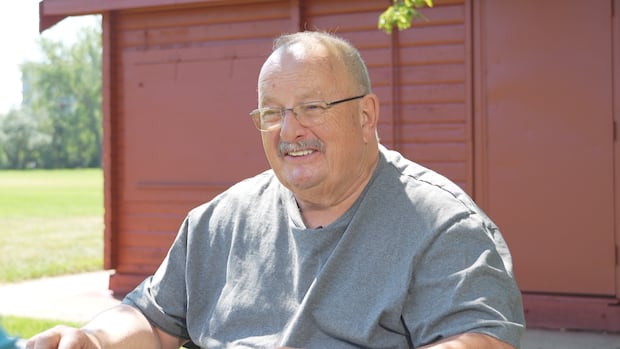
Rod P. vividly recalls the moment two decades ago when he decided to take his own life.
He was accused — and later admitted to — gambling away tens of thousands of dollars from his job as an executive director at a Calgary community association. Rod knew he was likely getting fired and was cleaning out his desk.
He revealed his plans to a pastor who was sharing the same workspace.
“It was going to be my last day on this Earth,” said Rod. “I was going to commit suicide that day because I saw no other way out.”
CBC News agreed to refer to him by his first name and last initial out of concerns for reputational damage.
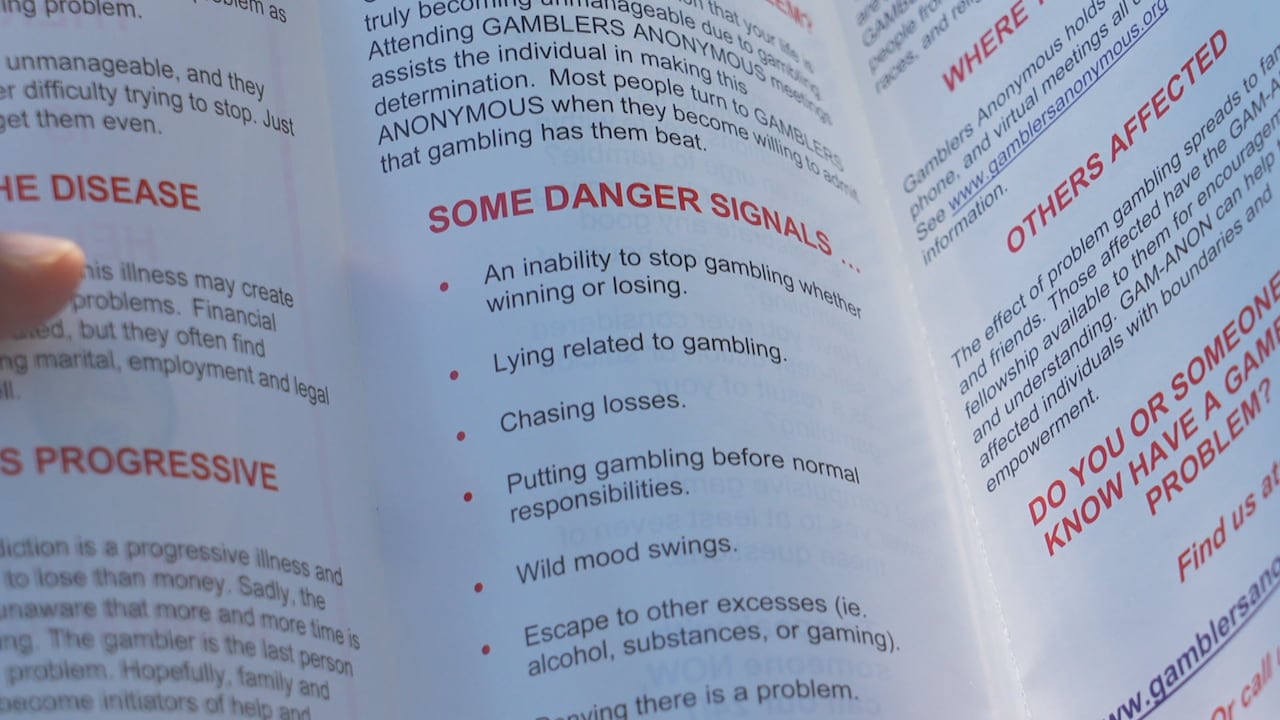 A pamphlet with information on problem gambling. (Mantai Chow/CBC)
Rod lost hundreds of thousands of dollars over more than a decade of playing on video lottery terminals (VLTs), casinos and other games of chance after placing his first wager as a teenager at the local Royal Canadian Legion.
He says he gambled away his life savings and an inheritance from his parents. He cashed in all but one of his RRSPs.
His last account had $78, which he used to throw himself a retirement party.
“I used to joke when Ralph Klein was our premier,” he said of throwing so much money at gambling, “‘Well, Ralph, on the way home, I just filled six more potholes for you.'”
Rod said it was impossible to give up the habit. He simply could not kick the urge to go back to the casino or VLT machines.
“A lot of people say to the gambler, ‘Why don’t you just stop?'” he said. “The endorphins that get in your head, you want to do it more. It feels good.”
Eventually, Rod turned to Gamblers Anonymous (GA), a support group with chapters throughout North America. He said he “arrested his gambling” on Nov. 8, 2008, and hasn’t placed a wager since.
“I still go to meetings,” he said. “Meetings are like an insurance for me to ensure that I don’t go back out there.”
It’s also a way for him to hear about others’ experiences as online gambling becomes more prevalent.
On July 13, Alberta officially opened its market to external providers, meaning that global brands like FanDuel and DraftKings can now legally operate here. Albertans can use those platforms to play casino games and bet on sports, something Ontarians have been able to do since the province opened its market in 2022.
The Alberta government has estimated the change will generate roughly $76 million per year in revenue.
Since the Alberta market opened, Rod has noticed there have been more attendees in GA meetings.
Rod is sharing his experience because he is worried that Alberta’s new open gambling landscape will lead to more stories like his because of the ease and accessibility of these apps and platforms. While Rod would have to physically enter a casino or establishment with VLTs during his time gambling, anyone can now bet anywhere by simply using their cellphone.
WATCH | Alberta regulates its gambling market:
A big shift for online gambling in Alberta
Alberta is set to become the second province to introduce a fully-regulated market for private online gambling companies. CBC’s Tristan Mottershead has more.
“They don’t realize the flip side of what’s going to happen,” he said of the provincial government.
“All those people that they’re targeting with those ads, they’re not the high-end one-per-cent-ers.”
The provincial government and gambling operators have emphasized responsible gambling in an effort to prevent others from becoming compulsive gamblers.
Unlike Ontario, Alberta has introduced universal self-exclusion right from the market launch. Anyone can ban themselves from gaming platforms for up to three years. Ontario only implemented universal self-exclusion in 2026, four years after opening its market.
“That’s going to go a long way to making it difficult for people that are struggling with problematic gambling behaviour,” Minister of Service Alberta Dale Nally told CBC News.
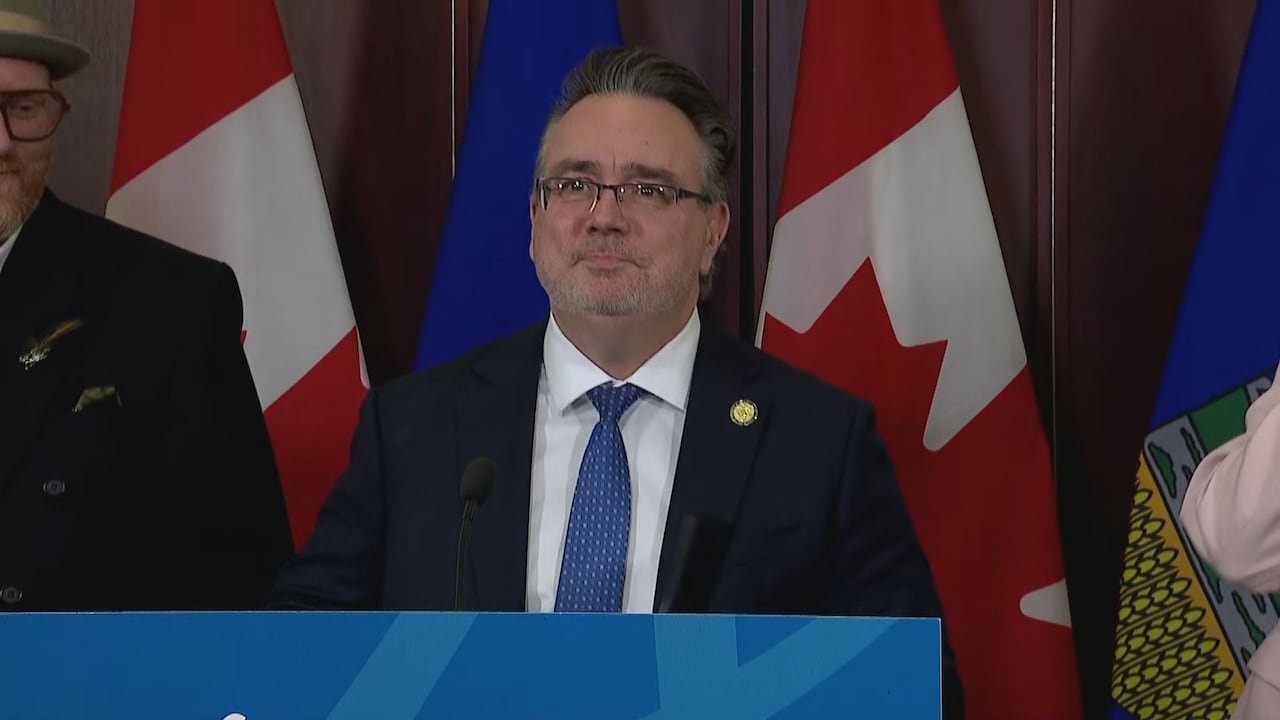 Service Minister Dale Nally touted the province’s rules around gambling advertisements. (CBC News)
Self-exclusion, however, has its limits. In 2023, British Columbia mandated that casinos ID anyone who enters. Those same regulations don’t exist in Alberta, where casinos choose who they ask for identification.
“I recognize that not everyone’s ID-ed, but certainly … anyone that looks like they’re 25 or under will certainly be ID-ed,” Nally said.
The minister also touted the province’s rules around advertisements.
Celebrities and influencers can only appear in ads that promote safe gaming, not gaming itself.
He said the province will soon unveil a new outpatient therapy program for people with “problematic gambling behaviours” that will be funded by operators that have set up here.
He expressed sympathy for people like Rod who have been problem gamblers.
“My heart goes out to them,” Nally said. “Anyone who’s struggling with problematic gambling behaviours, this is a disease just like any other disease.”
Despite having last placed a wager nearly 20 years ago, Rod still refers to himself as a compulsive gambler. He will be that way, he said, for the rest of his life.
“I am powerless over gambling. There’s a big difference between admitting and accepting. I know in my heart of hearts that I am a gambler,” he said.
“I know in my heart of hearts that I never ever can gamble again.”
If you or someone you know is struggling, here’s where to look for help: