

Listen to this article
Estimated 4 minutes
The audio version of this article is generated by AI-based technology. Mispronunciations can occur. We are working with our partners to continually review and improve the results.
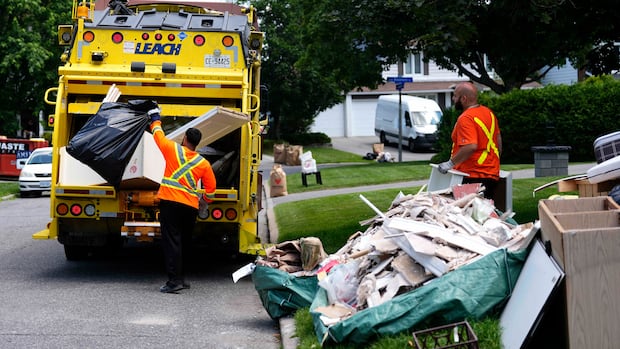
It’s been just over a month since thousands of people experienced extreme flooding during the Canada Day storm, and many are still cleaning up basements and trying to get financial aid.
As of July 31, the City of Ottawa had received more than 7,100 reports of flooded basements.
With many residents still struggling to deal with insurance companies, lawyers like Hamish Mills-McEwan have tried to get them answers.
“I think sometimes people feel a bit powerless,” said Mills-McEwan, a lawyer at Nelligan Law who’s been offering advice at city-run information sessions.
“[They] feel like if their insurance company tells them something, they just have to accept that, which isn’t really the case.”
Mills-McEwan’s been hearing from people whose insurance adjusters are being unresponsive, and he says they should push back — ideally by email, so there’s a record.
Contacting the company’s customer service or an ombudsman can also lead to results, he said, as quiet clients can sometimes be overlooked.
“It might feel a bit petty or something like you shouldn’t be doing. But if you put on that pressure, you’re actually more likely to get a good result,” he said.
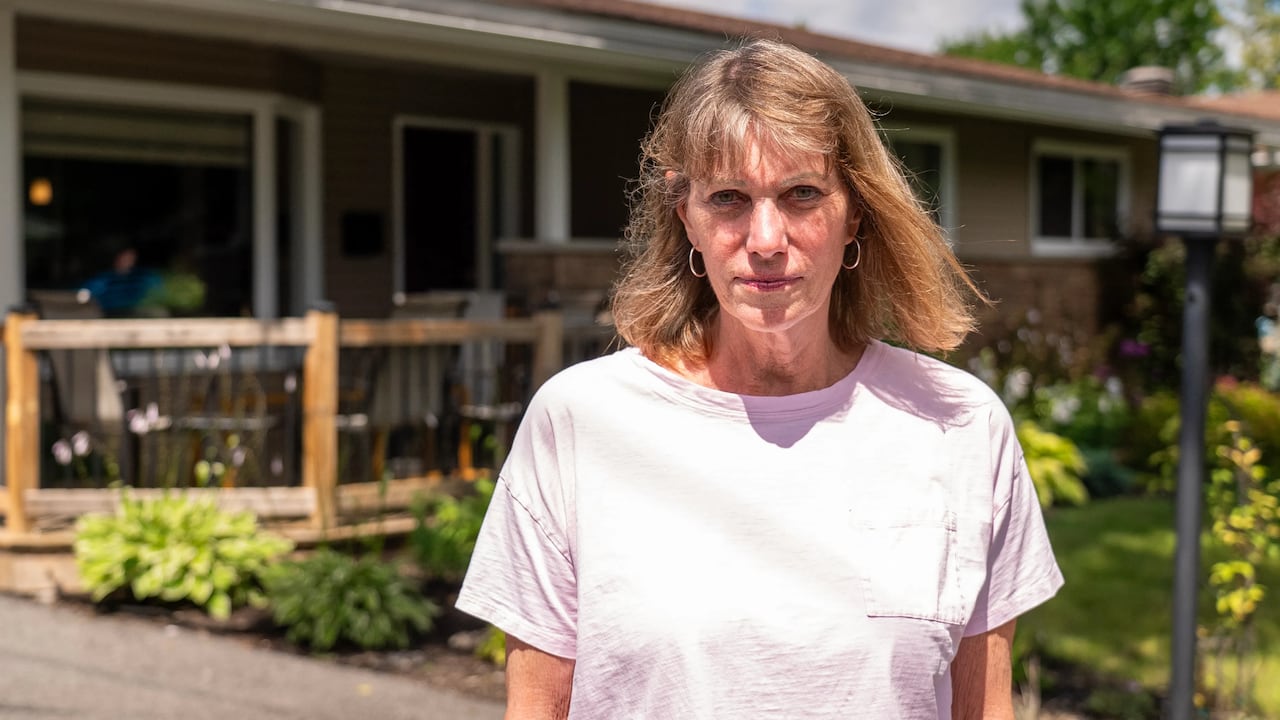 Laurie McCoubrey lives in the Crystal Beach neighbourhood that was hit hard by the flooding on July 1, ending up with more than 91 centimetres of water in her basement. (Mathieu Deroy/CBC)’A preventable catastrophe’
One person who sought legal help was Laurie McCoubrey.
McCoubrey lives in Crystal Beach, a hard-hit area of the city, but one that isn’t covered by the Ontario government’s Disaster Recovery Assistance for Ontarians program.
“It was such a surreal experience,” she said, reflecting on the fact nearly a metre of water inundated her basement within a few hours.
McCoubrey met with a lawyer at one of the support meetings at the end of July over concerns about one of the remediation companies she used.
“I could rip wet drywall off with my hands after they left,” she said, adding that the company left wet carpet and “bags of dripping drywall” in her basement.
She now wants answers about why so many people in her neighbourhood ended up with their basements flooded.
“I feel really angry because I feel like this was a preventable catastrophe,” she said. “I feel like we need answers and we need transparency.”
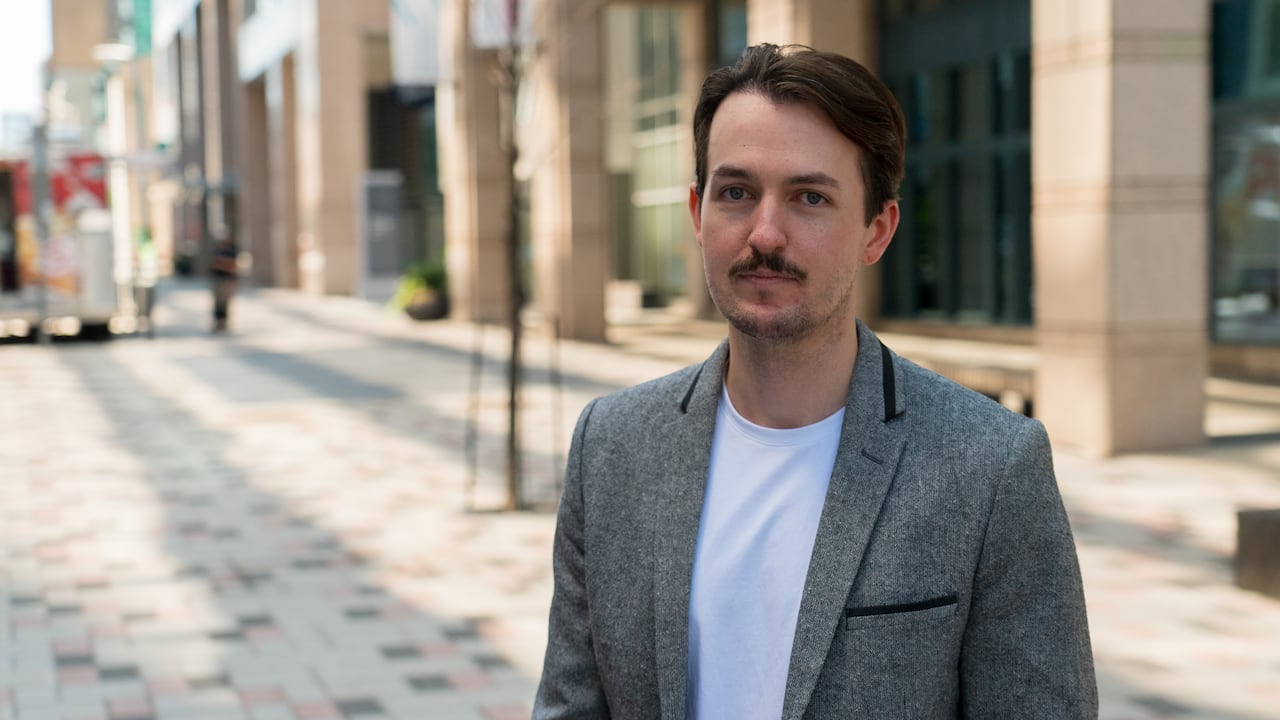 Hamish Mills-McEwan is a lawyer at Nelligan Law who’s been offering advice at city-run sessions following the July 1 storm. He says people should get any refusals from their insurer in writing in case they need to go to a lawyer. (Francis Ferland/CBC)Don’t be afraid to push back, lawyer says
One of Mills-McEwan’s biggest concerns is insurance companies not telling people in writing that they’ve been denied coverage.
“You should not take an insurance adjuster’s word and then stop pursuing an insurance claim,” he said.
“I’ve spoken to people who’ve essentially been scared off proceeding with the claim or taken no further steps because they just called up their insurance company and their insurance companies decide [they] don’t have coverage for that,” Mills-McEwan said.
“So instead of accepting the claim, processing it, adjusting it and then coming to a position on coverage, they cut it off before it goes through any of those steps.”
The City of Ottawa is holding more information sessions at Ben Franklin Place — one on Tuesday and another Thursday — where people can meet with a lawyer and the Canadian Red Cross.
The Canadian Red Cross is also there Monday to Friday from 9 a.m. to 5 p.m. It’s also offering phone and email support for anyone who can’t make it in-person to one of the city’s sessions.
“People just need sometimes the space to sit and talk through what’s happened,” said Emily Pietropaolo, the agency’s vice-president of recovery.
“It’s an emotional process. And so people need time to to work through that.”