

Listen to this article
Estimated 4 minutes
The audio version of this article is generated by AI-based technology. Mispronunciations can occur. We are working with our partners to continually review and improve the results.
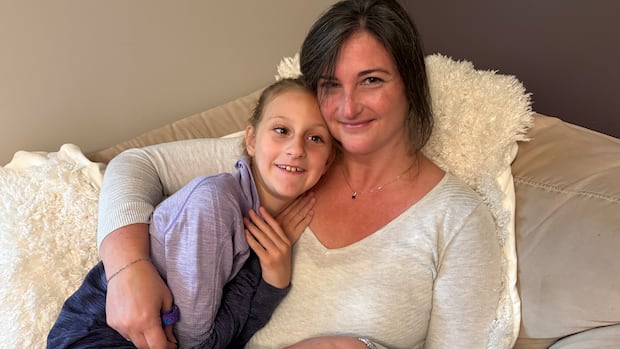
The family of a Nova Scotia girl with an ultra-rare genetic disorder says they have hope for the first time that her condition will improve.
Harper Tanton, who is eight years old, will be the fourth child in the world to participate in a clinical trial for kids who have CTNNB1 syndrome. She largely depends on a wheelchair and has developmental and speech delays.
It’s a critical moment for the Cole Harbour family, who have spent years looking for answers about the disorder.
“It was predicted that she would never walk, she would never talk,” said her mother, Tara Tanton. “She wasn’t able to sit up until she was probably 16 months old.”
Harper was initially misdiagnosed with cerebral palsy, even though an MRI showed no abnormal brain development or damage. Her mother refused to accept it.
“I would be up until 3 o’clock in the morning every single night, going to the bottom of the internet to find something that resembled what was happening with my daughter.”
Genetic testing eventually led them to CTNNB1 syndrome, a gene mutation that means the body doesn’t produce a specific protein that is critical for development.
Tara knows of fewer than 40 cases in Canada, three of which are in Nova Scotia.
They were told there was no cure.
“There aren’t many drug companies in the Western world that are going to fork out millions and millions of dollars for 30 kids.”
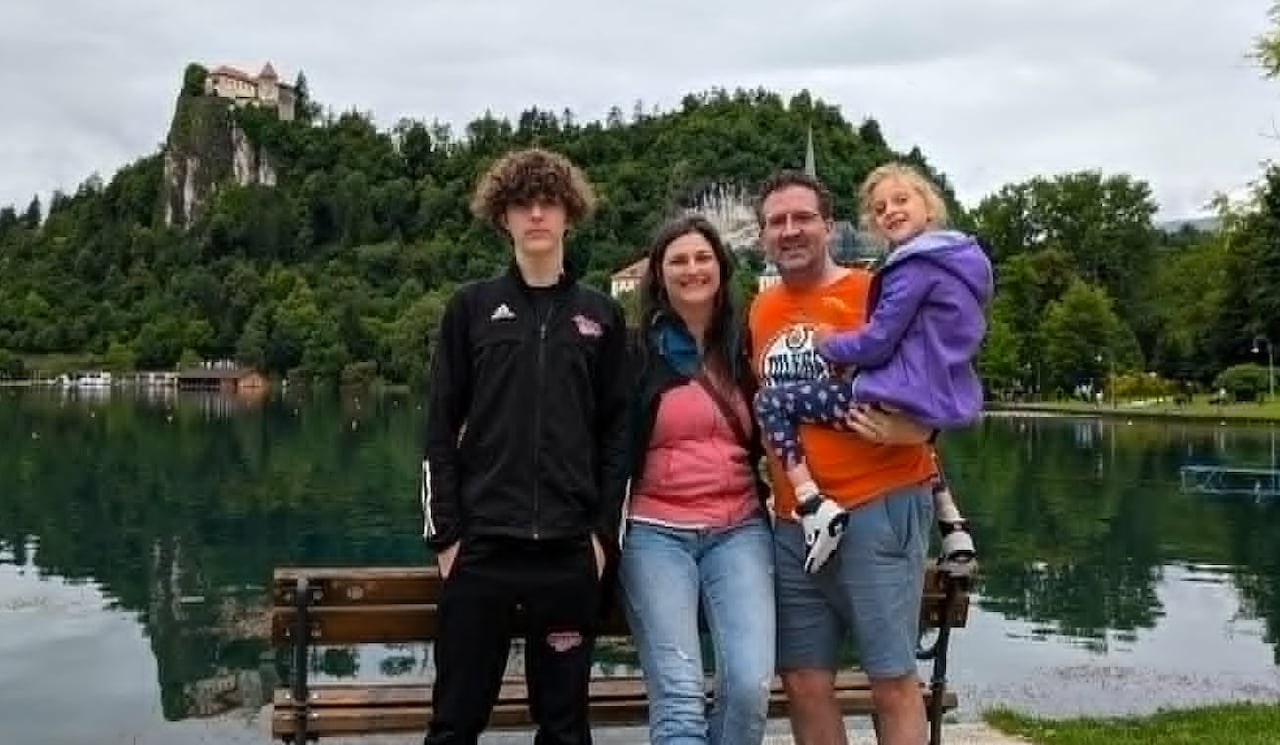 The Tanton family travelled to Slovenia in 2024 to meet with the CTNNB1 Foundation and learn more about treatment options. (Submitted by Tara Tanton)
The family eventually connected with the CTNNB1 Foundation, based in Ljubljana, Slovenia, which was founded and primarily funded by families from around the world.
Researchers at the foundation are using gene replacement therapy to see if it can either stop the progression of CTNNB1 syndrome, or potentially cure it.
Their clinical trial has been tested on two children so far. The foundation says those children are now learning to walk and their speech has improved.
Harper will undergo the procedure in the fall.
Her mom says her body ideally will produce a normal level of protein within six weeks, increasing her ability to physically and mentally develop.
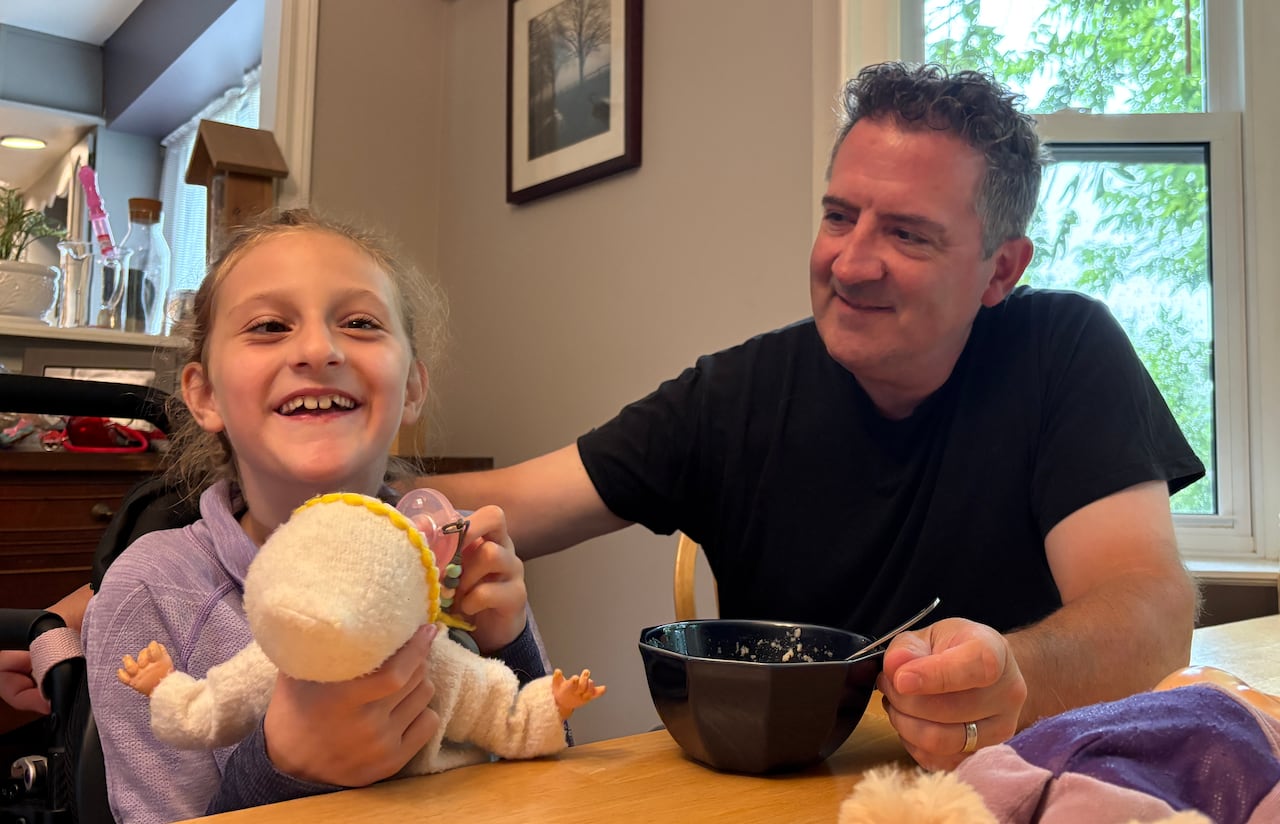 Scott Tanton says his family has investigated the risks of the procedure, but they believe this is the best option for Harper’s future. (Carolyn Ray/CBC)
“We have to do it,” said Scott Tanton, Harper’s father, who says they looked closely at the potential risks.
“We are being cautiously optimistic, we know it may not be the magic bullet but that’s kind of what we’re hoping for, of course.”
The foundation’s website says because this is a first-in-human clinical trial, there may be unknown risks, and a child’s condition could worsen.
Harper needs to have weeks of tests before the actual procedure. She and her mother will stay in Slovenia for at least six months, while her father and brother, David, stay behind in Cole Harbour.
Procedure expected to cost $300K
They estimate it will cost $300,000.
“Yeah, it’s a big sacrifice for our family, but again I think if you asked anybody, they would do whatever they can for their child. That’s what we’re doing,” Scott said.
The non-profit organization told CBC News that while they cover the cost of the gene replacement therapy, the families have to pay around 100,000 Euros ($161,000 Cdn) in hospital fees, in addition to travel and accommodation expenses.
The financial burden has sparked a community response. People have held bottle drives, lobster dinners and yard sales to raise money.
“I’ve had kids hand me envelopes of change from birthday money or from allowance that they’ve saved,” said Tara, who is emotional about the response.
She hopes their story inspires others grappling with a rare disease.
“These children deserve a voice. If I had stopped, we would not be where we are. If we had listened six years ago, we would have put Harper in a wheelchair at that point.”
MORE TOP STORIES