
The highest-paid drivers in Formula 1 are not simply athletes with exceptional reflexes. They are global ambassadors for manufacturers, marketing powerhouses, and central figures in one of the world’s most valuable sporting championships. Their contracts reflect far more than lap times, combining race victories, championship experience, commercial appeal, and leadership inside the garage.
This article explores the stories behind Formula 1’s biggest earners and explains why teams invest tens of millions of dollars in elite drivers. The sport has evolved far beyond the racetrack – today, a driver’s value is measured in sponsorship appeal, social media reach, and the ability to carry a brand across continents. Millions of fans worldwide follow every detail of the season, from technical regulations to betting markets, with some even tracking odds through platforms they stumble upon via a quick leon bet download before race day. Looking beyond the contracts, we examine the performance metrics, psychological resilience, and commercial power that together define what truly makes an F1 driver worth such extraordinary sums.
Related Article: Formula 1 News: 2026 Formula 1 Driver Salary Statistics
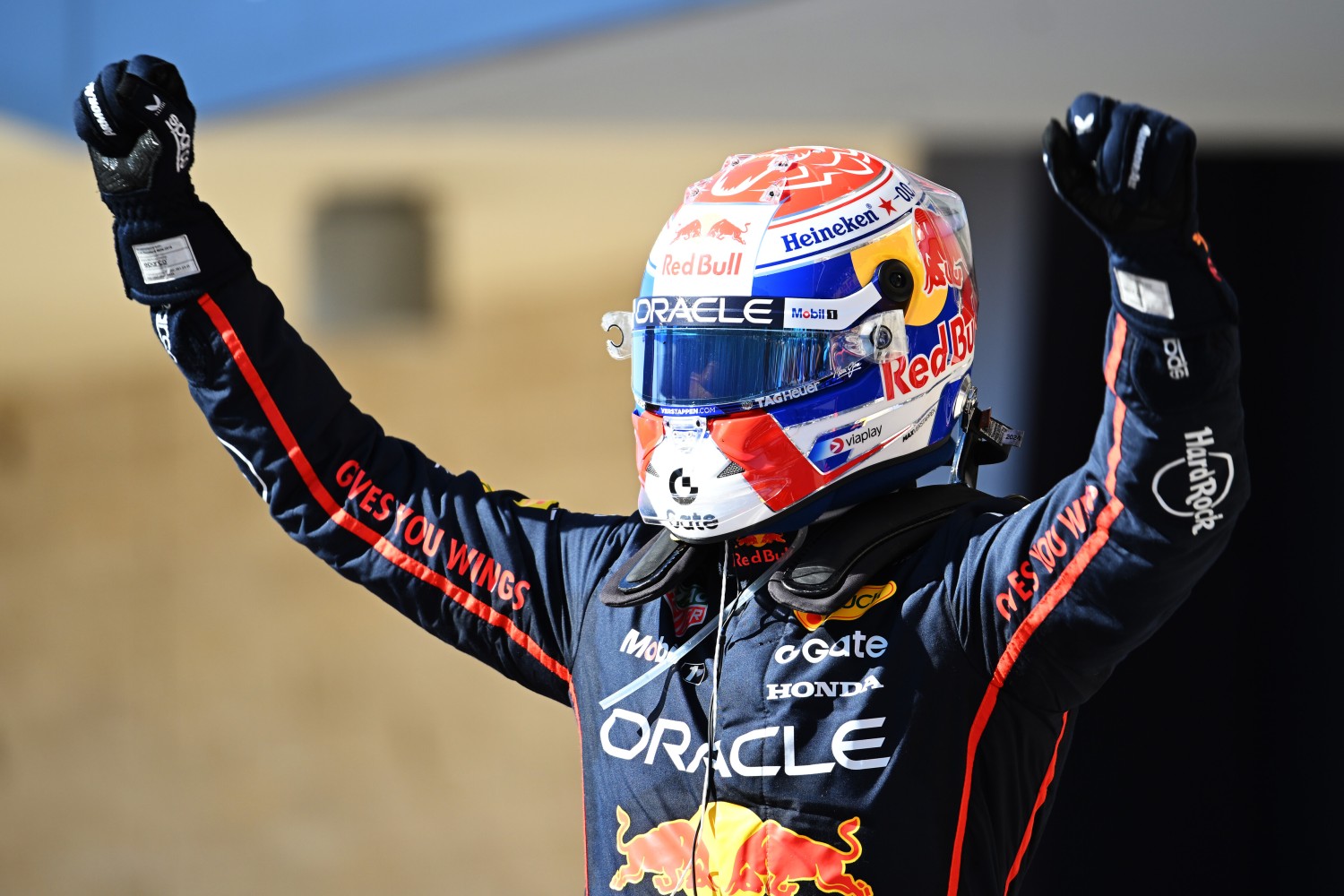
Max Verstappen (Pictured)
Estimated annual salary: approximately $65 million
Estimated total annual earnings (including performance bonuses): around $76 million
There is little debate over who currently sits at the top of Formula 1’s financial ladder. Max Verstappen has become the benchmark for modern racing, combining remarkable consistency with multiple World Championships and Red Bull Racing’s continued dominance. His estimated annual salary of around $65 million, with total earnings climbing to approximately $76 million through bonuses, makes him one of the richest athletes in motorsport.
Verstappen made his Formula 1 debut in 2015 at just 17 years old and stunned the paddock a year later by winning the Spanish Grand Prix on his first weekend with Red Bull F1. Since then, he has developed into one of the most complete drivers in the sport, known for aggressive overtaking, exceptional race pace, and remarkable consistency. His long-term value extends beyond championships, as he has become the face of Red Bull’s global motorsport programme and one of the biggest commercial assets in Formula 1.
Lewis Hamilton
Estimated annual salary: approximately $70 million
Estimated total annual earnings: around $70.5 million
With seven World Championships and more than one hundred Grand Prix victories, Lewis Hamilton remains one of the most influential figures Formula 1 has ever produced. His estimated annual salary of about $70 million places him among the sport’s highest earners, while endorsements and business ventures add tens of millions more to his overall wealth.
Hamilton entered Formula 1 with McLaren in 2007 before building one of the greatest careers in sporting history at Mercedes. His move to Ferrari marked another milestone in a career defined by ambition and success. Beyond racing, Hamilton has become a global ambassador for diversity, sustainability, and luxury fashion, making him one of the few drivers whose commercial value rivals his sporting achievements.
Fernando Alonso
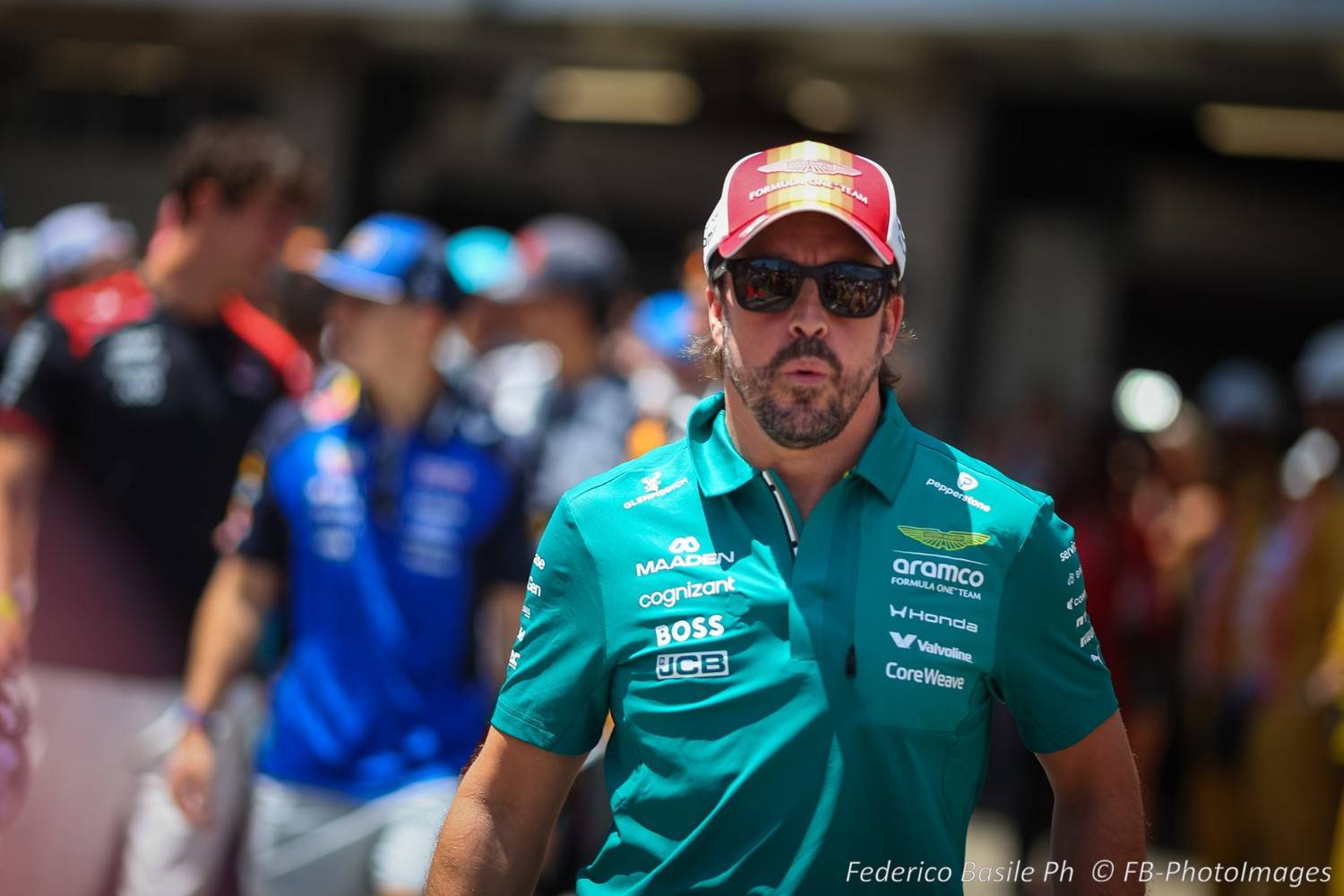 14 Fernando Alonso, (ESP), Aramco Aston Martin Honda AMR26, during the Barcelona-Catalunya GP, Barcelona 11-14 June 2026, Montemelò Formula 1 World championship 2026.
Estimated annual salary: approximately $24 million
Estimated total annual earnings: around $26.5 million
Experience carries enormous value in Formula 1, and Fernando Alonso continues to prove why. With an estimated annual salary of around $24 million, the two-time World Champion remains one of the highest-paid drivers despite competing against rivals nearly half his age.
Alonso debuted in Formula 1 in 2001 and quickly established himself as one of the sport’s brightest talents by winning consecutive championships with Renault. Throughout an extraordinary career spanning more than two decades, he has raced for Renault, Ferrari, McLaren, Alpine, and Aston Martin. Teams continue to value his technical knowledge, strategic thinking, and ability to extract maximum performance from almost any car.
Lando Norris
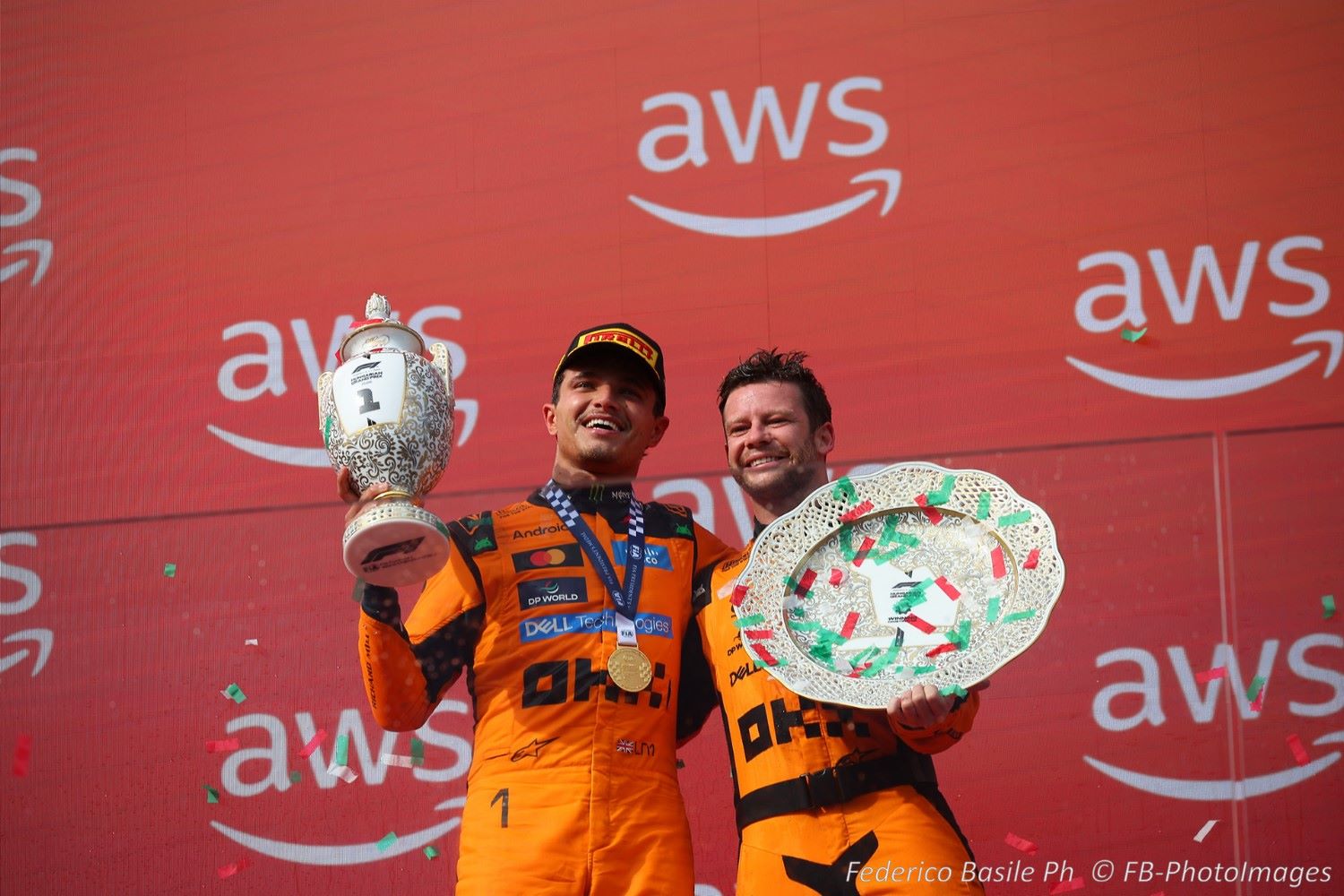 01 Lando Norris, (GRB), McLaren Mercedes MCL40, Wins the Hungarian GP 2026, Hungaroring, Budapest, 23-26 July 2026, Formula 1 World Championship 2026.
Estimated annual salary: approximately $18 million
Estimated total annual earnings (including bonuses): around $57.5 million
Few drivers have increased their market value as rapidly as Lando Norris. His estimated base salary is around $18 million, while race bonuses significantly boost his annual earnings, reflecting McLaren’s confidence in his long-term potential.
After graduating through McLaren’s junior programme, Norris developed into one of Formula 1’s fastest and most consistent young drivers. His approachable personality and strong presence across digital platforms have helped him build a loyal international fanbase, making him one of the championship’s most marketable stars. Combined with his growing list of race victories, that popularity has translated into one of the most lucrative contracts among the younger generation.
Charles Leclerc
Estimated annual salary: approximately $30 million
For Ferrari, Charles Leclerc represents both the present and the future. His estimated annual salary of around $30 million reflects the Scuderia’s long-term commitment to building championship campaigns around the Monegasque driver.
Leclerc joined the Ferrari Driver Academy as a teenager before progressing through Formula 2 and earning his Formula 1 opportunity with Sauber. Since arriving at Ferrari, he has become famous for his exceptional qualifying pace and fearless driving style. Although championships have remained elusive, his speed, consistency, and loyalty continue to make him one of the most valuable drivers on the grid.
Oscar Piastri
Estimated annual salary: approximately $10 million
Estimated total annual earnings: around $37.5 million
Australian sensation Oscar Piastri has enjoyed one of the fastest rises in modern Formula 1. While his estimated base salary currently stands at around $10 million, performance bonuses have significantly increased his annual earnings as McLaren rewards his rapid success.
Before reaching Formula 1, Piastri won Formula Renault Eurocup, Formula 3, and Formula 2 championships in consecutive seasons, an achievement shared by very few drivers. His calm approach under pressure and mature racecraft quickly established him as one of McLaren Formula 1’s brightest prospects. Many experts believe he has all the qualities needed to become a future World Champion.
George Russell
Estimated annual salary: approximately $15 million
Estimated total annual earnings: around $26 million
George Russell spent several years proving his talent at Williams before earning a long-awaited promotion to Mercedes. Today, his estimated annual salary of roughly $15 million reflects both his driving ability and his importance to one of Formula 1’s most successful teams.
Russell combines exceptional qualifying speed with a calm, analytical approach to racing. Engineers frequently praise his technical feedback, which plays a crucial role in developing the team’s car throughout the season. As Mercedes continues building for the future, Russell has become one of the central figures in its long-term plans.
Carlos Sainz
Estimated annual salary: approximately $10 million
Estimated total annual earnings: around $13 million
Throughout his Formula 1 career, Carlos Sainz has built a reputation for consistency, intelligence, and adaptability. His estimated annual salary of around $10 million, together with performance bonuses, reflects the respect he has earned across the paddock.
Sainz began his Formula 1 journey with Toro Rosso before racing for Renault, McLaren, Ferrari, and Williams. Every team has benefited from his technical understanding and professional approach. While often competing alongside elite teammates, Sainz has repeatedly demonstrated that he belongs among Formula 1’s most reliable performers.
Daniel Ricciardo
Peak estimated annual salary: approximately $20–25 million
Although Daniel Ricciardo is no longer among Formula 1’s highest-paid active drivers, he enjoyed one of the most lucrative contracts of his generation. During his time with Renault and later McLaren, his annual salary was estimated to be between $20 million and $25 million, placing him among the elite earners of that period.
Ricciardo became famous for his fearless overtaking, late-braking style, and infectious personality. Eight Grand Prix victories and years of success with Red Bull established him as one of Formula 1’s biggest stars. Off the track, his charisma and commercial appeal attracted major sponsorship deals, making him one of the sport’s most recognizable personalities.
Mark Webber
Peak estimated annual salary: approximately $10–15 million
Australian driver Mark Webber was one of Formula 1’s highest-paid competitors during Red Bull Racing’s rise to dominance. At the peak of his career, his annual salary was estimated at $10–15 million, an impressive figure for the era in which he competed.
Webber debuted in Formula 1 in 2002 before becoming a multiple Grand Prix winner and championship contender with Red Bull. His determination, consistency, and leadership earned enormous respect throughout the paddock. Following retirement, he successfully transitioned into endurance racing and later became the manager of Oscar Piastri, helping guide another Australian talent to the pinnacle of motorsport.
History of Formula 1
Formula 1 officially began in 1950 when the FIA launched the inaugural World Championship, with the first race taking place at Silverstone in the United Kingdom. During the 1950s and 1960s, manufacturers such as Ferrari, Maserati, and Lotus helped define the sport’s early identity, while engineers introduced revolutionary concepts in aerodynamics, chassis design, and engine technology — transforming Formula 1 into a competition where technical excellence and driver skill worked in equal measure.
The following decades brought legendary rivalries and iconic teams. McLaren, Williams, Ferrari, and later Red Bull Racing all played major roles in shaping the modern era, while drivers like Ayrton Senna, Alain Prost, Michael Schumacher, and Lewis Hamilton elevated the championship to worldwide popularity, inspiring millions of fans across generations.
Today’s Formula 1 is a global championship featuring races on five continents, sophisticated hybrid power units, and some of the most advanced engineering ever seen in sport. One element that often surprises new fans is the critical importance of qualifying — starting near the front of the grid provides a decisive strategic advantage, particularly on circuits where overtaking is difficult. This relentless pressure to perform at every stage of a race weekend explains why the world’s best drivers are now rewarded with contracts at unprecedented financial levels.
The Drivers Behind Formula 1’s Biggest Contracts
Every Formula 1 driver dreams of reaching the top level, but only a handful ever become the faces of the sport. The drivers featured below have earned not only victories and championships but also the trust of manufacturers willing to invest millions of dollars in their talent.
Career Achievements of Formula 1’s Highest-Paid Drivers
Driver
World Titles
Grand Prix Wins*
Pole Positions*
Debut Season
Current/Last Team
Max Verstappen
4
70+
40+
2015
Red Bull Racing
Lewis Hamilton
7
100+
100+
2007
Ferrari
Fernando Alonso
2
30+
20+
2001
Aston Martin
Lando Norris
0
Multiple
10+
2019
McLaren
Charles Leclerc
0
Multiple
20+
2018
Ferrari
Oscar Piastri
0
Multiple
Several
2023
McLaren
George Russell
0
Multiple
Several
2019
Mercedes
Carlos Sainz
0
Multiple
Several
2015
Williams
Daniel Ricciardo
0
8
3
2011
RB / Red Bull family
Mark Webber
0
9
13
2002
Red Bull Racing
Fascinating Formula 1 Facts Every Fan Should Know
Formula 1 has produced countless remarkable stories throughout its history. Some records have stood for decades, while others continue to be rewritten by the current generation of drivers.
Among the most fascinating facts are:
Formula 1 cars can exceed 370 km/h, making them some of the fastest circuit racing machines ever built.
Drivers can lose between 2 and 4 kilograms during a single Grand Prix through sweat and physical exertion.
A modern steering wheel contains more than 20 buttons and rotary controls, allowing drivers to adjust dozens of settings while racing.
Pit stops now take less than two seconds, with the fastest crews regularly changing all four tyres in astonishing time.
The Monaco Grand Prix remains one of the sport’s most prestigious events, despite being one of the slowest races on the calendar.
Lewis Hamilton holds the record for the most Grand Prix victories, while Max Verstappen has set new benchmarks for wins in a single season.
Every Formula 1 team employs hundreds of specialists, including aerodynamicists, strategists, software engineers, mechanics, and data analysts working behind the scenes.
Weather can completely transform a race, often turning an underdog into a surprise podium finisher through clever strategy.
The sport’s constant evolution ensures that new milestones are achieved almost every season, adding fresh chapters to Formula 1’s rich history.
Five Unforgettable Races That Defined Formula 1’s Biggest Stars
The careers of Formula 1’s highest-paid drivers have been shaped by moments that became part of motorsport history. Some races secured World Championships, while others introduced future legends to the global stage. Here are five Grand Prix that best illustrate why these drivers became icons of Formula 1.
1. 2021 Abu Dhabi Grand Prix – Max Verstappen’s First Championship Triumph
The 2021 season finale remains one of the most dramatic races ever held. Max Verstappen and Lewis Hamilton entered the final round level on points, turning Abu Dhabi into a winner-takes-all showdown. A late Safety Car completely changed the race before Verstappen overtook Hamilton on the final lap to secure his first World Championship in unforgettable fashion. The race remains one of the defining moments of the modern Formula 1 era.
2. 2008 British Grand Prix – Lewis Hamilton’s Masterclass in the Rain
Silverstone witnessed one of Lewis Hamilton’s finest performances in treacherous wet conditions. Starting fourth, Hamilton dominated the race while many rivals struggled simply to stay on the circuit. He finished more than a minute ahead of the field, delivering what many experts still consider one of the greatest wet-weather drives in Formula 1 history.
3. 2012 European Grand Prix – Fernando Alonso’s Home Victory
Starting only 11th on the grid, Fernando Alonso produced one of the greatest comeback drives of his career in front of his home crowd in Valencia. Through aggressive overtaking, smart tyre management, and flawless race strategy, he claimed victory in a race that Alonso himself later described as one of the best performances of his career.
4. 2014 Hungarian Grand Prix – Daniel Ricciardo’s Brilliant Late Charge
Daniel Ricciardo showcased the fearless overtaking style that made him one of Formula 1’s most exciting drivers. A perfectly timed strategy and several spectacular late-race passes allowed the Australian to secure victory after starting outside the front row. The race is still widely regarded as one of the highlights of his Formula 1 career.
5. 2024 Miami Grand Prix – Lando Norris Finally Claims His First Win
After years of podium finishes and near misses, Lando Norris achieved his long-awaited maiden Formula 1 victory in Miami. The breakthrough win marked the beginning of a new chapter in his career and confirmed that McLaren had once again become a genuine contender at the front of the grid. For many fans, it was one of the most emotional victories of the modern era, rewarding years of perseverance and steady development.
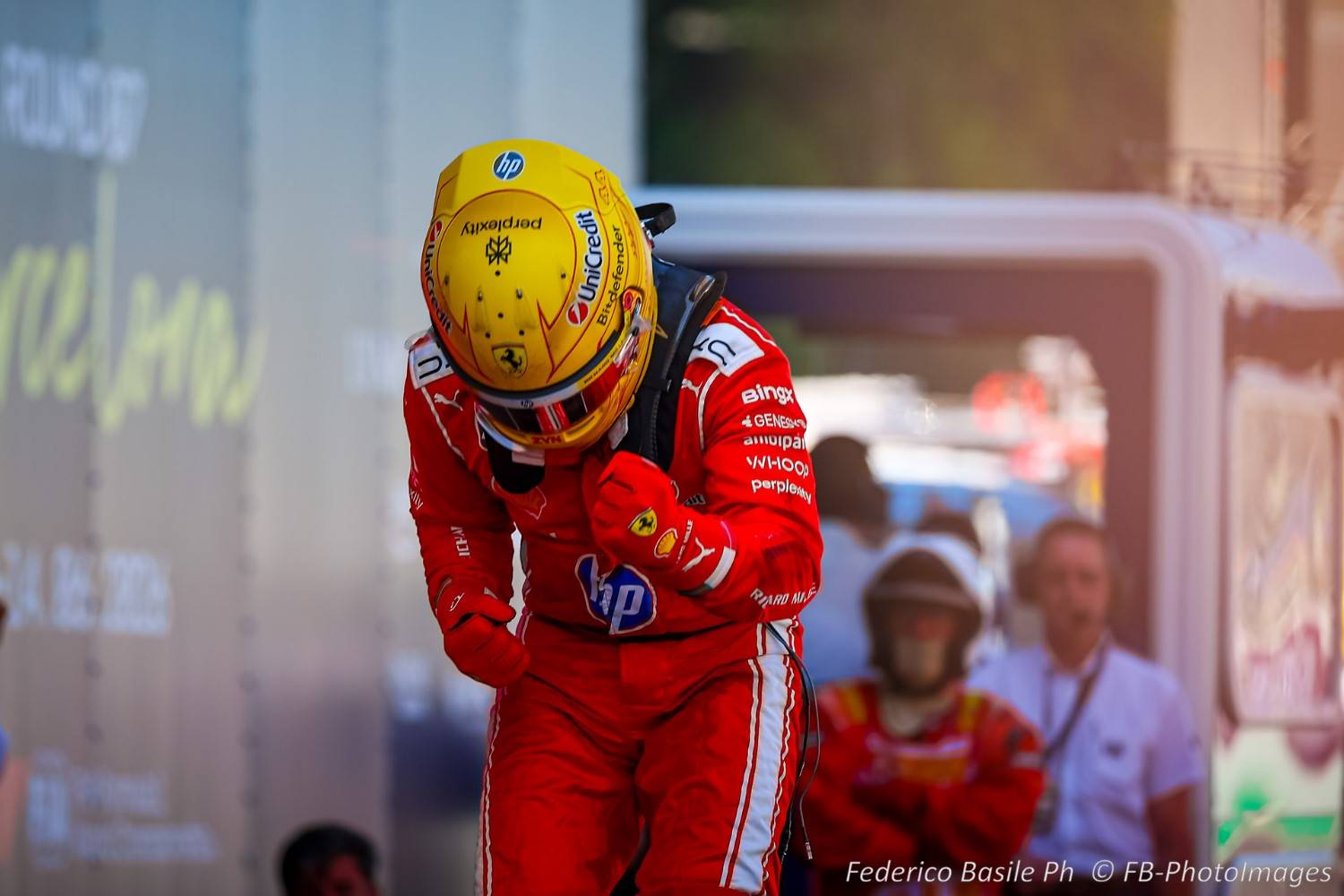 44 Lewis Hamilton, (GRB), Scuderia Ferrari SF26, during the Barcelona-Catalunya GP, Barcelona 11-14 June 2026, Montemelò Formula 1 World Championship 2026.