

Listen to this article
Estimated 4 minutes
The audio version of this article is generated by AI-based technology. Mispronunciations can occur. We are working with our partners to continually review and improve the results.
Some heritage advocates in Nova Scotia are divided about the use of artificial intelligence to promote historic sites and tourist attractions.
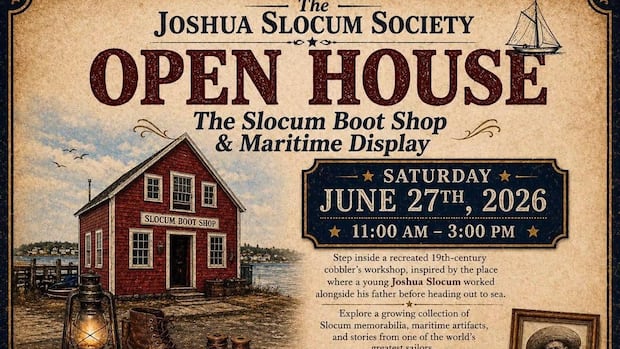
Kristina Inrig, a board member for the Joshua Slocum Society on Brier Island, N.S., says she uses AI to create content, generating multiple versions of promotional posters until the result matches her expectations.
“It’s all about how you use a tool and how you’re cross-referencing and checking a tool before something gets posted,” she said.
Inrig said AI supports the society’s small team, made up of a handful of volunteers.
But not everyone is convinced the pros outweigh the cons.
“It is a little difficult to see, to be honest, because often these posts are inaccurate,” said Jay Lalonde, curator at the Knaut-Rhuland House Museum in Lunenburg, N.S.
Lalonde said they frequently sees AI posts that misrepresent history by creating places, stories or people that don’t exist.
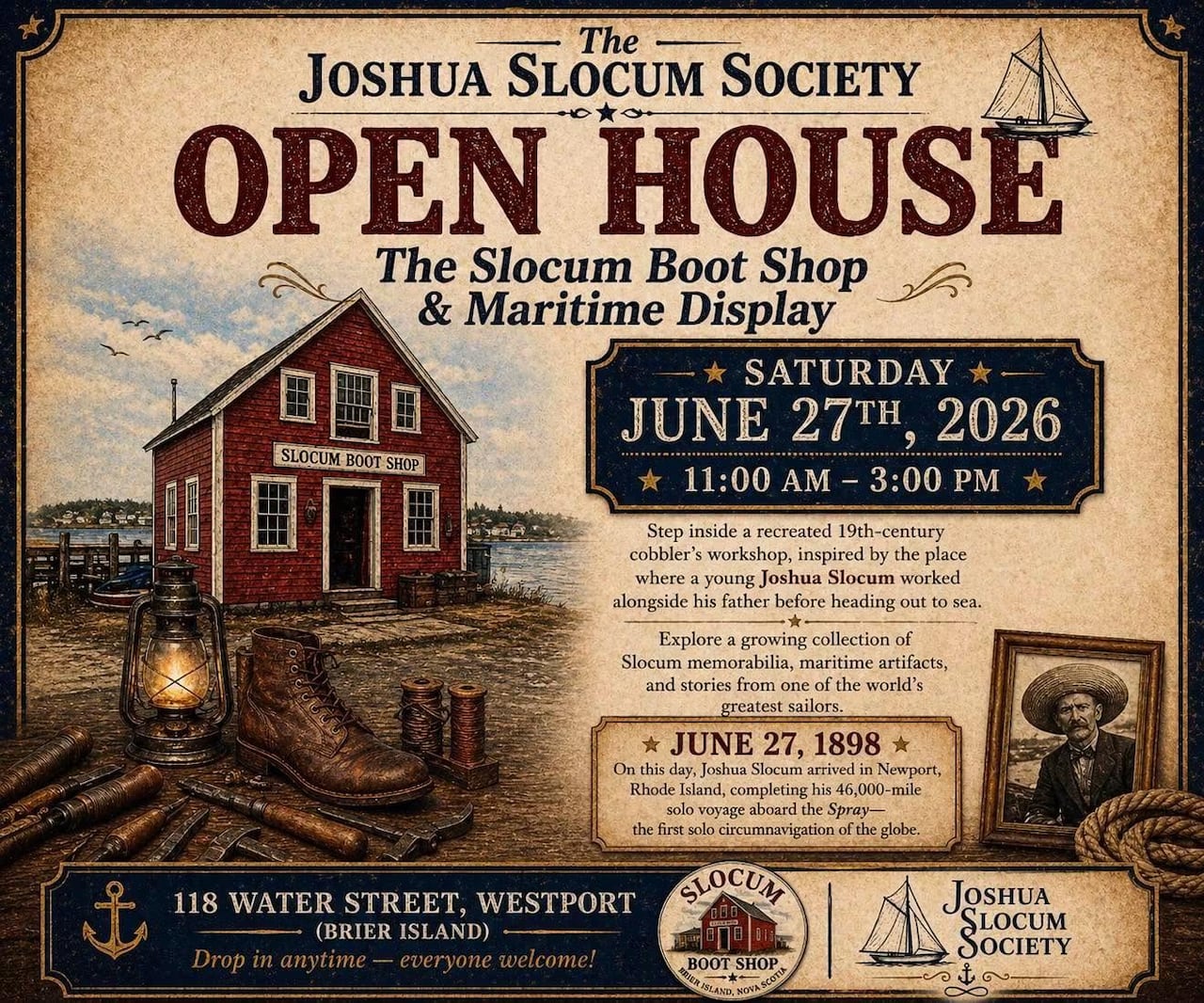 One of the Joshua Slocum Society’s AI-generated posts on Facebook, advertising an open house of the boot shop on Brier Island, N.S. (Joshua Slocum Society)
Lalonde said their museum relies on historical documents, archives and photographs for its social media content.
“Often you really do have to go to these handwritten records that can be difficult to find to write your story and find your information,” said Lalonde.
“And for an AI that’s scraping the web and records that are available online, very often they will not find a lot of this.”
Inrig pointed out not all of her organization’s social media content is AI-generated, noting she also posts authentic archival materials and photos of the society’s replica boot shop.
She also puts her own images into AI software to generate new visuals, relying on guidance from the Canadian Centre for Nonprofit Digital Resilience.
“I think as non-profits, small organizations, even though we may not have staff, we still have a responsibility to look at how AI is being used and to use it responsibly,” said Inrig.
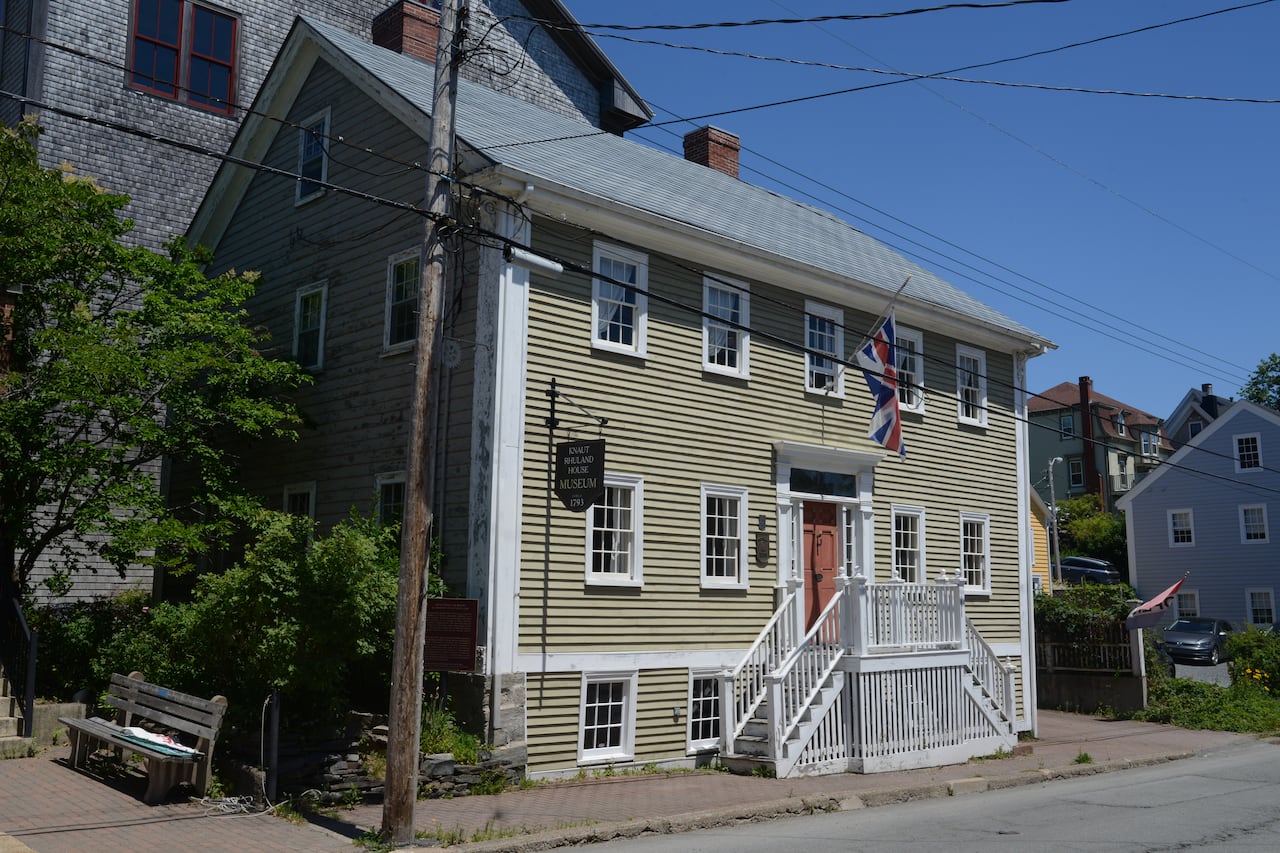 Knaut-Rhuland House Museum is located in Lunenburg, N.S. (Lunenburg Heritage Society)
Natalie Swain, a history professor at Acadia University in Wolfville, N.S., said she opposes using AI in this context because it undermines human creativity and artists.
However, she understands why some organizations use it.
“Historical associations and societies throughout the province are not getting the financial support they need,” said Swain.
“The arts and the humanities also are not respected as much as perhaps I believe they should be.”
Swain noted that inaccuracies in historical representation were debated long before AI existed.
She cites Giovanni Piranesi, an 18th-century Italian artist whose portrayal of some of Rome’s major landmarks — such as the Colosseum — attracted tourists.
But many were disillusioned when they got to the city.
“[Piranesi] was very much misrepresenting the actual reality of what contemporary Rome looked like, really exaggerating the size of the monuments,” she said.
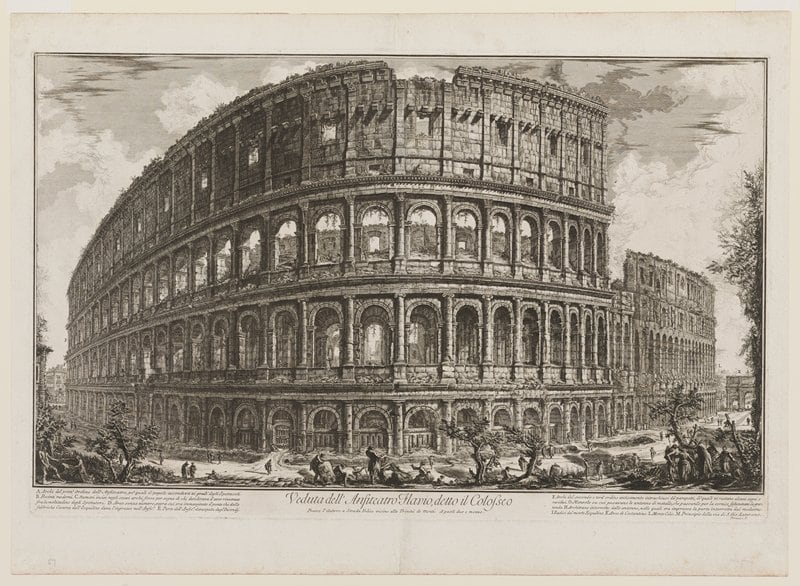 The Colosseum, by Giovanni Battista Piranesi, portrays one of Rome’s most iconic buildings. (Giovanni Battista Piranesi/The William M. Ladd Collection Gift of Herschel V. Jones, 1916)
But even when humans misrepresent history through art, Swain said, they still offer insight into their artistic perspective and the times they live in.
“[Piranesi] is choosing to represent perhaps the grandeur of this history through these choices,” she said.
“A lot of the AI that I’ve seen it’s misrepresenting specific monuments … it’s not selecting a certain landscape for a particular monument in order to say something about that history and communicate that to potential visitors.”
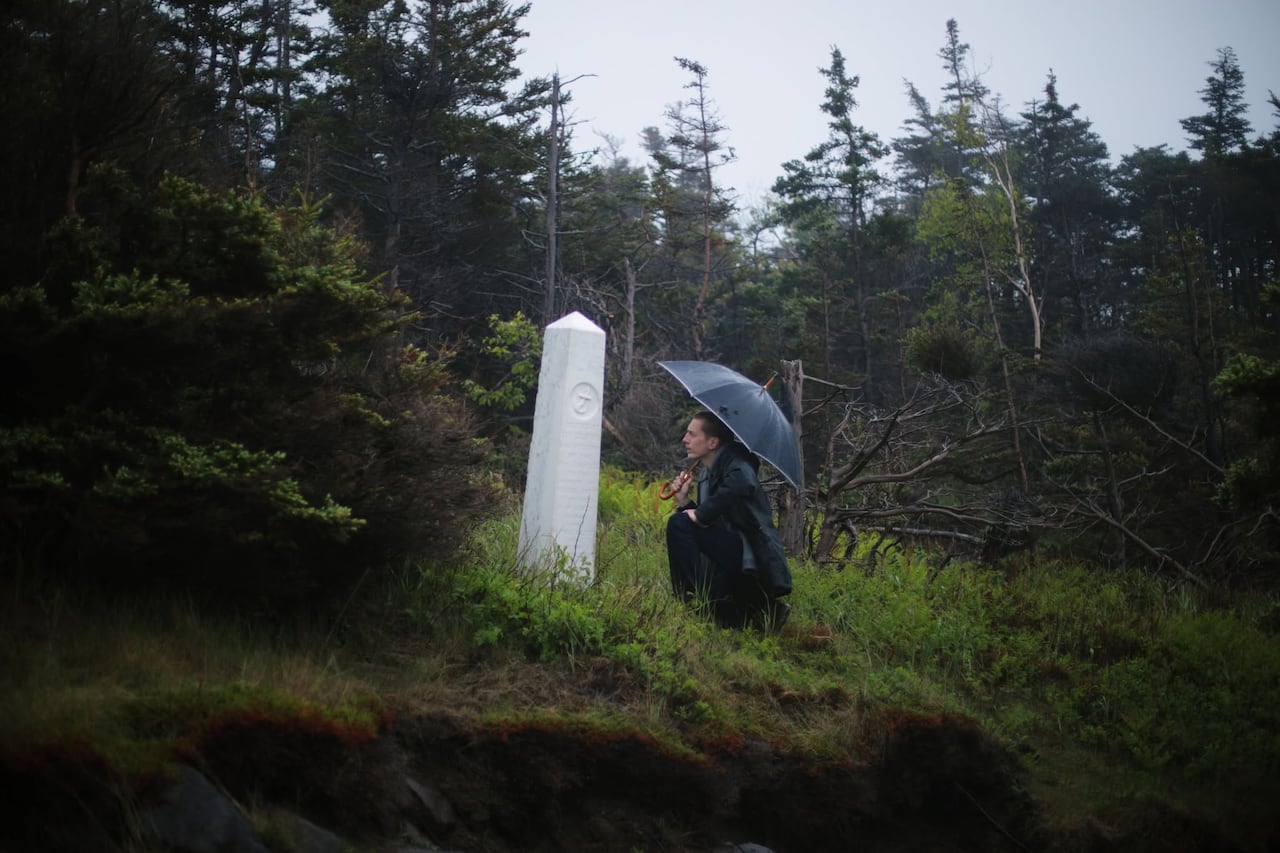 A photo of the memorial site for the Princess Louise shipwreck of 1883, taken by Steve Skafte. He said organizations should ask photographers or look in archives instead of using AI. (Steve Skafte)
Steve Skafte, a photographer from Bridgetown, N.S., recently took issue with a post by the Digby Area Tourism Association promoting a memorial for the 1883 Princess Louise shipwreck near Digby.
He said AI misrepresented the site by changing some of the names on the cenotaph, its appearance and the landscape around it.
“They either have photos of a lot of these sites in their own archives or there are photographers like me that could provide images,” said Skafte. “A lot of us would be actually willing, if they’re not making a profit off it, to provide an image for no profit ourselves.”
The tourism association declined an interview with CBC News. In a statement, the association said it appreciates “everyone who took the time to share their thoughts” and is incorporating that feedback.
“When we used AI-generated images in some historical posts, our intention was to create visuals while respecting copyright considerations surrounding historical imagery,” the statement said.
“We never intended to upset anyone, misrepresent history, or mislead people.”
MORE TOP STORIES