

Listen to this article
Estimated 3 minutes
The audio version of this article is generated by AI-based technology. Mispronunciations can occur. We are working with our partners to continually review and improve the results.
The Morell River Management Cooperative says some summer days are simply too hot to fish in Prince Edward Island’s rivers and streams.
The watershed group is urging anglers to think twice before casting a line when water temperatures climb.
“Warmer water holds significantly less dissolved oxygen than cold water,” said Hannah Murnaghan, the group’s watershed co-ordinator.
“That makes it hard for our native fish like brook trout and salmon, and that can trigger a stress response in the fish.”
A heat warning is in effect across P.E.I., with hot and humid conditions expected from Wednesday afternoon through Friday. Temperatures could feel as high as 36 C with the humidex.
LISTEN | Keeping Island fish cool:
Island Morning5:17Keeping Island fish cool
Hot weather doesn’t just affect people; it can also put stress on fish populations in P.E.I.’s rivers and streams. Hannah Murnaghan, watershed co-ordinator with the Morell River Management Cooperative, joins us to talk about efforts to help keep fish cool.
Murnaghan said a large portion of the Morell River is restricted to fly-fishing with only catch and release, which is a conservation measure aimed at protecting Atlantic salmon and brook trout.
“If people are catching and releasing these fish in water that’s above 20 degrees, it can be fatal because their bodies are already stressed, and they can’t always recover from the exhaustion of a fight,” she said.
During hot weather, fish that depend on cold, well-oxygenated water often seek refuge in cooler patches of the river.
Murnaghan said anglers should consider changing their fishing habits during hot spells.
“We just recommend … to try fishing saltwater species like mackerel or striped bass instead to give those cold water fish a little break and let them just rest in those cold water areas.”
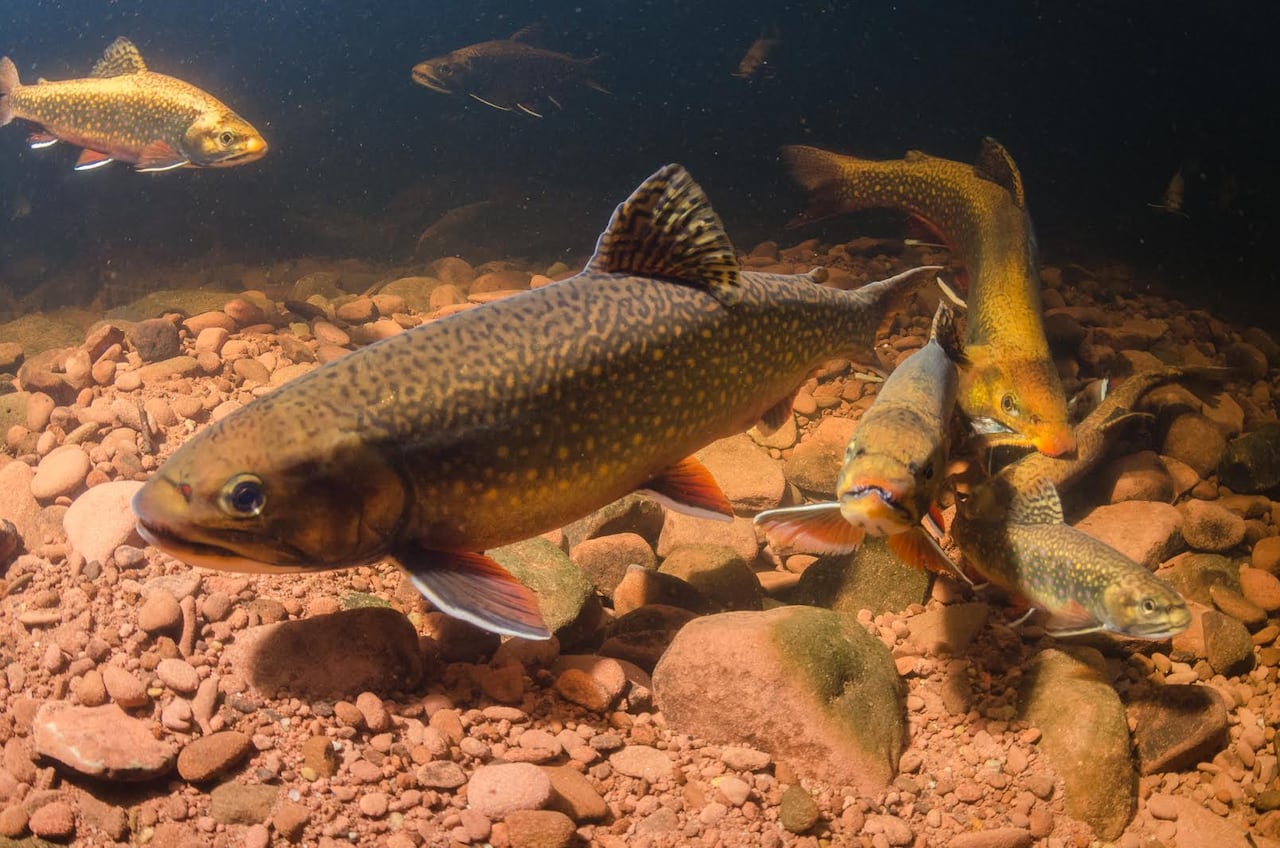 ‘Warmer water holds significantly less dissolved oxygen than the cold water, which makes it hard for our native fish like brook trout,’ Murnaghan says. (Sean Landsman)
The cooperative posts weekly temperature updates on its Facebook page. Signs at popular fishing spots along the river direct people to those updates.
“Since installing those signs and posting our updates, we have noticed that anglers are choosing to fish either early morning or not at all when the temperatures are really high.”
Cooler weather this summer brings some relief
So far this summer, Murnaghan said the Morell River has fared relatively well compared to recent years.
“We have seen temperatures reach the low 20s on our warmest afternoons, but some cooler nights and a decent amount of rain so far this summer has provided relief,” she said.
In 2024, the cooperative partnered with the P.E.I. Watershed Alliance and the province’s Forest, Fish and Wildlife division to map out cold spots along the Morell River.
“A helicopter flew over the entire Morell and identified where all the cold water patches existed,” Murnaghan said.
“These could be spring upwellings or cold water tributaries that flow into the main branch.”
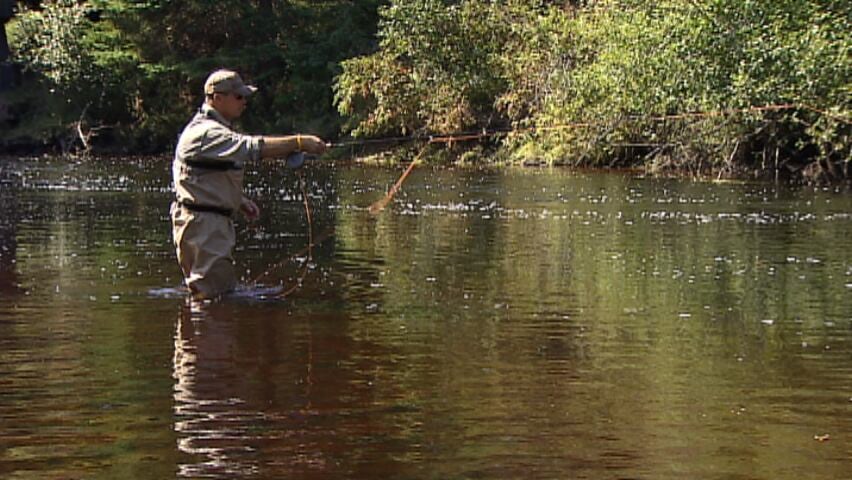 On hot days, anglers should switch to fishing saltwater species like mackerel or striped bass instead, to give cold water fish a break and let them rest in cooler areas, Murnaghan says. (CBC)
Based on that map, crews spent the past couple of summers removing barriers such as beaver dams and blockages so fish could reach those cooler areas.
“We are happy to report that we’ve made access to 94 of those identified cold water patches,” she said.
The group has also been planting trees along the river.
“The goal is that planting some long-lived species like yellow birch and sugar maple will provide shade to the river in future years, especially since we lost so much of that shade during Fiona,” Murnaghan said.