

Listen to this article
Estimated 3 minutes
The audio version of this article is generated by AI-based technology. Mispronunciations can occur. We are working with our partners to continually review and improve the results.
A Mississauga, Ont., man has been charged in the death of a Cambridge man who died during a “healing experience” last month.
Officers with the Waterloo Regional Police Service were called to investigate the sudden death of a man on July 4.
Investigators determined the Cambridge man had taken part in a “private ibogaine healing experience.”
“During the ceremony, the deceased consumed ibogaine, a psychoactive alkaloid extract from the root bark of a Central West African rain forest shrub,” police said.
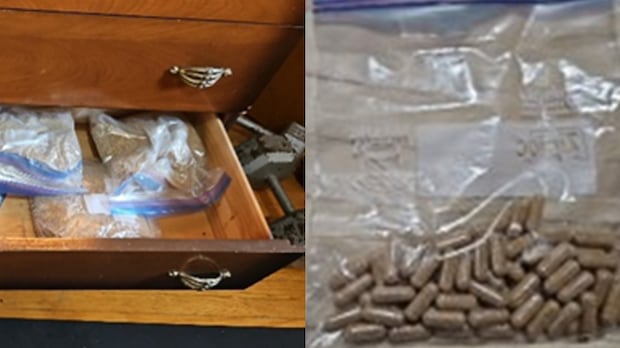
On July 30, police searched a home in Mississauga and seized suspected ibogaine, along with several other powders, liquids, and capsules.
The seized items have been submitted to Health Canada for analysis, police said.
A 57-year-old Mississauga man has been charged with criminal negligence causing death and selling a prescription drug recklessly.
“Investigators believe there may be additional victims,” police said in Wednesday’s release. Anyone with information is asked to contact police or Crime Stoppers.
What is ibogaine?
Ibogaine therapy has been touted online as a possible way to help people decrease withdrawal symptoms or cravings for certain drugs, and in particular opioids, or it may help treat depression and post-traumatic stress disorder.
Health Canada’s website notes ibogaine is extracted from the root bark of Tabernanthe iboga. It is not authorized for use in Canada in either human or veterinary uses.
“Health Canada has received serious and fatal adverse reaction reports associated with the use of ibogaine. As a result, in June 2015, Health Canada issued a risk communication to advise the public not to use ibogaine,” the health agency says on its website.
WATCH | What to know about ibogaine: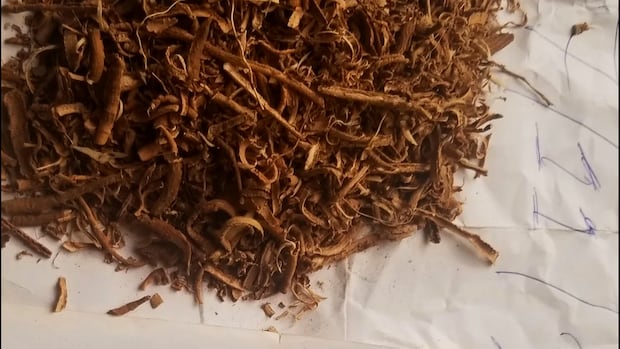
This African tree bark is used by some to treat addiction, but it could also kill you
Ibogaine is still not approved in Canada, but many are touting its early success in treating addiction. CBC’s Karen Pauls investigates the drug’s promise and the moment treatment turned deadly for one Canadian man. [Note: This video has been updated to replace some sensitive images.]
The UC Berkeley Centre for the Science of Psychedelics says on its website that it’s not entirely clear how ibogaine works with the neurotransmitters in a person’s brain.
There are areas of the world that use it, but the centre says it can be dangerous and “there are numerous reports in the scientific literature of people having fatal cardiac events after taking ibogaine.”
It is something researchers are reviewing though as a possible way to help people.
For example, a 2024 Stanford University study found military veterans who took part in ibogaine treatment at a clinic in Mexico saw improvement for their depression, anxiety and post-traumatic stress disorder symptoms.