
Key Points
Fiber is vital to support gut health and satiety and reduce chronic disease risk.
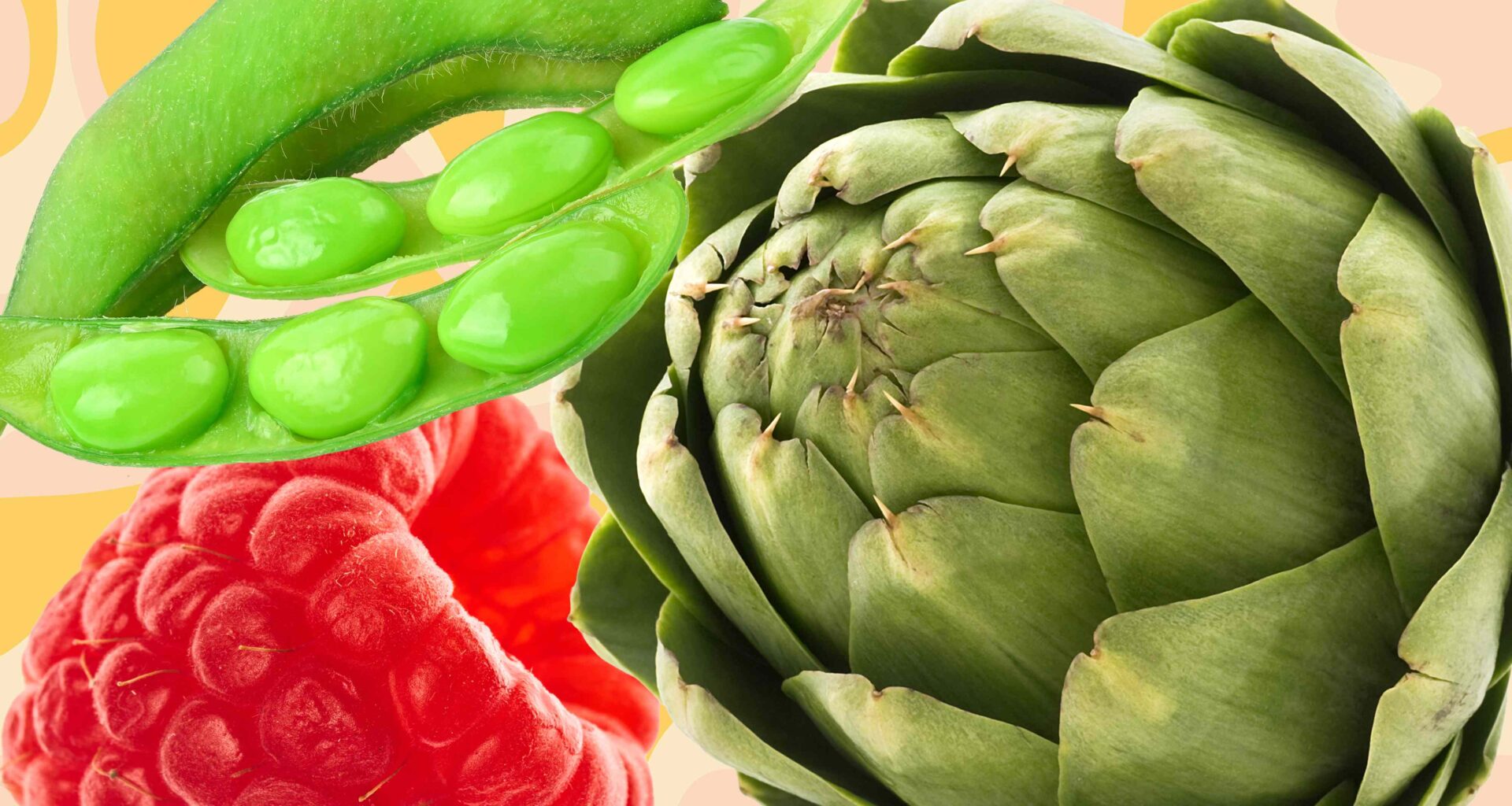
Good choices include black beans, avocado, artichoke, raspberries, edamame and chia seeds.
Increase fiber intake gradually, explore different whole grains and make easy, high-fiber choices.
Fiber is having a moment. “Fibermaxxing” is trending on TikTok, and food and beverage brands are adding fiber to everything from sodas to ice cream. Some trend-watchers are calling fiber the new protein. But unlike protein, where most people eat plenty, fiber is a nutrient we’re actually falling short on. Nine out of 10 Americans don’t meet the recommended 25 to 38 grams of fiber per day.
Fiber is a hardworking nutrient. It aids digestion, nourishes beneficial gut bacteria, slows the absorption of carbohydrates for steadier blood sugar levels, helps lower LDL (“bad”) cholesterol levels and keeps us feeling full longer, says Liz Weiss, M.S., RDN.
Choosing whole-grain bread for your morning toast or lunchtime sandwich is a good place to start, but it won’t get you to your daily fiber goal on its own. A typical slice contains just 2 grams of fiber, putting it on the lower end of fiber sources.
Whole-grain bread is a good starting point, but consider adding some of these other six foods that actually contain even more fiber.
1. Black Beans
All beans are fiber powerhouses, with the added bonus of being an good source of plant-based protein. A single ½-cup serving of canned black beans provides 9 grams of fiber.
“Canned black beans are affordable, versatile and ready to use, making them one of the easiest ways to boost your daily fiber intake,” Weiss says. They’re an especially smart fiber choice because black beans provide both soluble and insoluble fiber, doing double duty for digestive and heart health. Research shows that eating 1 cup of canned beans a day, including black beans, helped lower total and LDL cholesterol in adults with elevated levels.
“I keep canned black beans on hand because they work with almost any meal,” Weiss says. She suggests adding to tacos, soups, salads or scrambled eggs and blending into ground meat to stretch it with extra fiber. “You can even add mashed black beans to fudgy brownies,” she says.
2. Avocados
Their creamy texture may throw you, but avocados contain an impressive amount of fiber, says Sharon Palmer, M.S.F.S., RDN. While they’re better known for their healthy fats, a whole avocado contains about 10 grams of fiber.
A recent study found that eating an avocado a day reduced LDL particles that transport cholesterol in the blood, which corresponded to about a 4% reduction in heart disease risk. The type of fiber in avocado is classified as a prebiotic, and research has shown that eating one avocado a day significantly increased gut microbiome diversity, with the potential benefits more pronounced in individuals who started with a lower-quality diet.
“What’s great about avocado is its sheer versatility in helping you fit more fiber into your diet,” says Palmer. She recommends mashing avocado on toast, adding slices to salads, grain bowls, burgers and sandwiches—and even mixing it into smoothies and pudding.
Pair up avocado with black beans for tacos and other Mexican-inspired dishes, and don’t wait for game day to make a batch of guacamole.
3. Artichokes
A whole, fresh steamed artichoke delivers about 7 grams of fiber, one of the highest fiber counts of any vegetable. Canned or jarred artichoke hearts may contain slightly less, but are a convenient, budget-friendly alternative, providing about 4 grams of fiber per ½-cup serving.
“Simple steamed or grilled artichokes are amazing—just peel off the leaves and dip in extra-virgin olive oil and scrape off the soft artichoke with your teeth,” Palmer says . She also recommends keeping canned artichoke hearts in your pantry to add to salads, grain bowls, pasta and dips. “They’re so easy—just open a jar or can, drain and dump.“
Artichokes are especially rich in inulin, a type of soluble prebiotic fiber that may help reduce constipation, along with other gut-health benefits.
4. Raspberries
These seed-filled berries are one of the most fiber-dense fruits you can buy. A ½-cup serving of raspberries provides about 4 grams of fiber, making raspberries an easy and delicious way to boost fiber intake at breakfast or snack time, says Weiss.
“I keep frozen raspberries in my freezer year-round,” she says. “They’re perfect stirred into oatmeal or yogurt, blended into smoothies, folded into overnight oats or spooned over cottage cheese. I also love adding them to homemade chia pudding or baking them into fruit crisps.”
Raspberries are not only full of fiber, their deep red color is a cue to the beneficial plant compounds inside, including anthocyanins that have been linked to better heart health and reduced inflammation.
Try tossing raspberries into a spinach salad with goat cheese and walnuts, or enjoy them straight from the container as a snack.
5. Edamame
These young, green soybeans deliver a satisfying combination of fiber and complete plant protein, a pairing that slows digestion and helps promote fullness, says Weiss. A ½-cup serving of shelled edamame, easy to find in the freezer aisle, provides about 4 grams of fiber.
As a minimally processed whole soy food, edamame also provides compounds called isoflavones that have been associated with improvements in cardiovascular health when eaten as part of an overall healthy dietary pattern.
“I like tossing shelled edamame into grain bowls, salads, fried rice and stir-fries, or blending into hummus or pesto for a protein-rich twist,” says Weiss. “It’s also delicious as a snack or side dish with a drizzle of olive oil and a sprinkle of kosher salt.” You can also try steamed edamame in the pod as an appetizer and look for bags of crispy roasted edamame in the snack aisle.
6. Chia Seeds
Small but mighty chia seeds pack a whopping 10 grams of fiber in just 1 ounce (2 tablespoons). Besides fiber, the tiny seeds contain protein, alpha-linolenic acid (ALA) omega-3s, calcium, iron, magnesium, zinc and bioactive compounds. Studies suggest chia seeds may have anti-inflammatory benefits and help lower LDL cholesterol and blood pressure.
Their unique ability to absorb water creates a gel-like consistency that’s ideal for thickening smoothies, overnight oats, puddings and baked goods. Palmer recommends adding chia seeds to salads, bowls, falafel, porridge, trail mix, granola, cookies, brownies and banana bread. Due to their water-binding ability, chia seeds can be used as an alternative to eggs or oil in baked goods.
Other Tips for Eating More Fiber
Adding more fiber to your diet doesn’t require a huge overhaul. Small, consistent swaps can make a big difference.
Explore new grains. Whole-grain bread remains a smart choice, but branch out with farro, barley, bulgur, freekeh and quinoa for grain bowls and side dishes.
Ramp up gradually. Your digestive system needs time to adjust, and drinking plenty of water can help minimize digestive discomfort and support regularity, says Weiss.
Lean on convenience. Frozen fruit, frozen vegetables and canned beans are nutritious shortcuts that make it easier to hit your fiber goals.
Focus on addition, not restriction. When you build meals around fiber-rich foods you enjoy, increasing your fiber becomes a sustainable habit instead of another nutrition rule to follow.
Our Expert Take
Whole-grain bread can start you on your way to your fiber goals, but you’ll need to add more fiber-rich options to get there. Foods like black beans, avocados, artichokes, raspberries, edamame and chia seeds all deliver considerably more fiber per serving—plus additional benefits, from heart-healthy fats to gut-friendly prebiotics.
Variety matters as much as quantity. Since different fiber-rich foods feed different gut bacteria, rotating through beans, fruits, vegetables and seeds is more supportive of a healthy, diverse microbiome than relying on just one food or a fiber-fortified option.
Read the original article on EatingWell