

Formula 1 teams received $127 million less during the first half of 2026 after the Middle East war disrupted the calendar and forced two Grands Prix to be postponed.Liberty Media’s latest financial results showed team payments, excluding Concorde incentive payments, fell 20% from $627 million in the first six months of 2025 to $500 million this year.
The reduction followed the postponement of the Bahrain and Saudi Arabian Grands Prix, alongside wider calendar changes that left Formula 1 staging only eight races before June 30. Eleven rounds had been completed during the same period in 2025.
Formula 1 generated $764 million between April and June, a 38% decline from the $1.22 billion reported in the second quarter of 2025. Only five races were held during that period, compared with nine last year.
The Japanese Grand Prix moved forward into March and was therefore counted in the first quarter. Imola was removed from the calendar, while the Bahrain and Saudi Arabian rounds were postponed because of the conflict in the Middle East.
Operating income fell sharply from $293 million to $73 million. Adjusted operating income before depreciation and amortisation dropped from $361 million to $139 million.
Formula 1 revenue declined 15%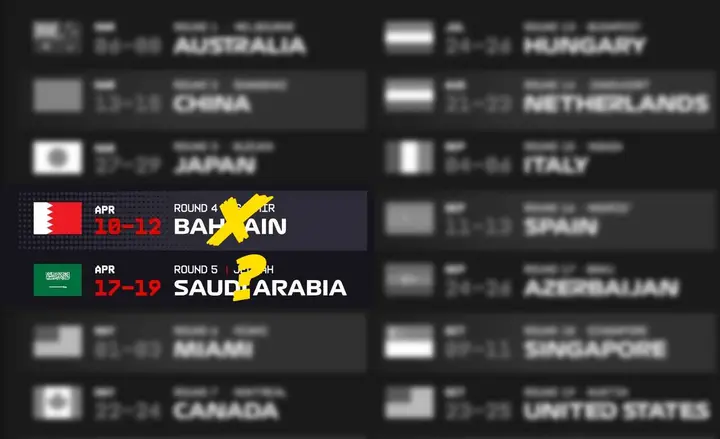
Across the opening six months of 2026, Formula 1 revenue declined 15% from $1.629 billion to $1.381 billion. However, the figures were heavily influenced by the smaller number of races held rather than a sudden collapse in the sport’s underlying commercial position.
Formula 1 recognises much of its broadcasting, race promotion and sponsorship revenue according to the proportion of the season completed.
Liberty Media explained: “Primary F1 revenue decreased for the three and six months ended June 30, 2026 across media rights, race promotion and sponsorship primarily due to four fewer races held during the quarter and three fewer races held year-to-date.
“Leading to a lower proportionate recognition of season-based revenue (5/22nds during the quarter compared to 9/24ths recognized during the prior year period and 8/22nds recognized year-to-date compared to 11/24th recognized during the prior year-to-date period).
“This was partially offset by underlying contractual fee increases and revenue from new and renewed sponsors. Media rights revenue was also impacted by the one-time revenue associated with the release of the F1 movie in the second quarter of 2025, which did not occur in the current period.”
Other Formula 1 revenue also declined because fewer races meant lower hospitality and freight income. That was partly offset by stronger hospitality revenue at returning events, increased licensing income and continued growth at the Grand Prix Plaza in Las Vegas.
Malaysia replacement should limit losses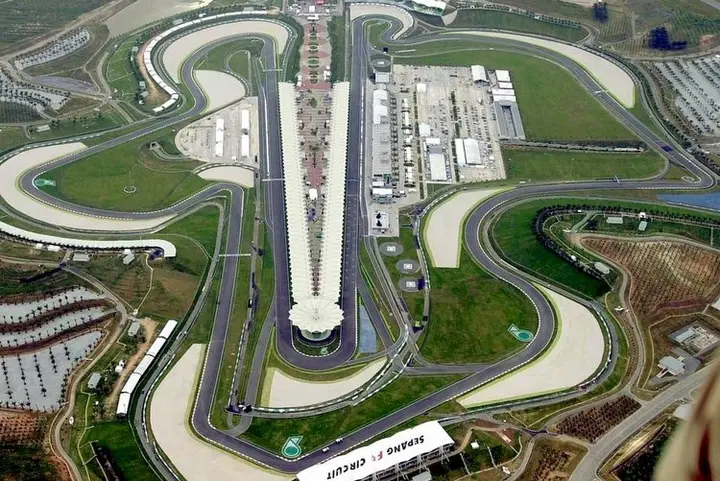 Formula 1 has recovered one of the postponed races after confirming that Malaysia will host the Bahrain Grand Prix at Sepang from October 2-4. The replacement event should allow more season-related revenue to be recognised during the fourth quarter and reduce the full-year financial impact.
Formula 1 President and CEO Stefano Domenicali said the sport’s broader commercial indicators remained positive despite the disrupted calendar: “This season has showcased the very best of our sport with competitive racing and fascinating storylines that are driving strong fan engagement with attendance, audiences and digital impressions all up season-to-date.
“Our sport continues to demonstrate its adaptability and creativity – the Bahrain Grand Prix for 2026 will be hosted in Malaysia following the agreement announced last week. Our partnership with Apple continues yielding positive engagement, with viewership up year-over-year, season-to-date and total hours watched up 13%.
“We continue to see momentum across our business, including signing a landmark 10-year extension in Las Vegas and working with well-respected partners such as ServusTV and Pirelli. We remain focused on strengthening the foundation of our sport together with the teams and the FIA to deliver the best possible experience for our fans around the world, both on and off track,” concluded Domenicali.
The headline losses remain significant, particularly for Formula 1 teams receiving smaller payments during the first half of the season. But the decline largely reflects when races were held and when associated revenue could be recognised.
With Malaysia restoring one postponed round and more races scheduled later in the year, Formula 1’s financial position should look considerably stronger by the end of 2026.