
NEED TO KNOW
Key Takeaways
Pneumococcal pneumonia poses a serious threat to adults over 50 due to natural immune system weakening with age
Experts recommend vaccines, healthy habits, and early treatment to reduce the severity and risks of the disease
Here’s what warning signs to look for and how to stay healthy
In 2025, Hollywood lost two of its most revered actors, Diane Keaton and Val Kilmer, to pneumonia. Keaton died unexpectedly at age 79, while Kilmer, who had previously battled throat cancer, was 65. Their deaths were a sad reminder of the danger that pneumococcal pneumonia poses to older adults. But it’s not just the senior population who are vulnerable. According to the American Lung Association, even healthy individuals as young as 50 are at risk.
“Pneumococcal pneumonia is something that people believe older individuals get, but it can happen to anyone,” says Dr. Amit “Bobby” Mahajan, national medical spokesperson for the ALA. “I’ve seen patients in their 50s who were fighting through pneumonia for a couple weeks, then they come into the ICU and are really sick.”
The ALA defines pneumococcal pneumonia as a serious bacterial lung disease that is spread through coughing or close contact. “Bacterial pneumonia can settle deep into the lungs,” says Mahajan. “When it does, people get fevers and chills, can cough pretty violently, and sometimes even cough up greenish-brown mucus. Most of the time, people with an intact immune system who are healthy can fight off that pneumonia. Unfortunately, for some people, even with antibiotics, it can progress further.”
Children, adults over age 65, and individuals with chronic health conditions and weakened immune systems are most susceptible to pneumococcal pneumonia, but the ALA reports that it’s also a threat to healthy people ages 50 and up because the immune system naturally weakens with age.
“Typically after 50, we see something called immunosenescence,” says Mahajan. “This is caused by reduction in immune cell production, increased chronic inflammation, and slower response to infections. This can make people more likely to become infected and heal slower.”
An estimated 150,000 people in the U.S. are hospitalized each year for pneumococcal pneumonia, and about 1 in 20 dies as a result. Complications from pneumococcal disease may include respiratory failure, sepsis, and meningitis.
Because many symptoms of pneumococcal pneumonia are similar to a cold or the flu, it can be tricky to know when to seek treatment.
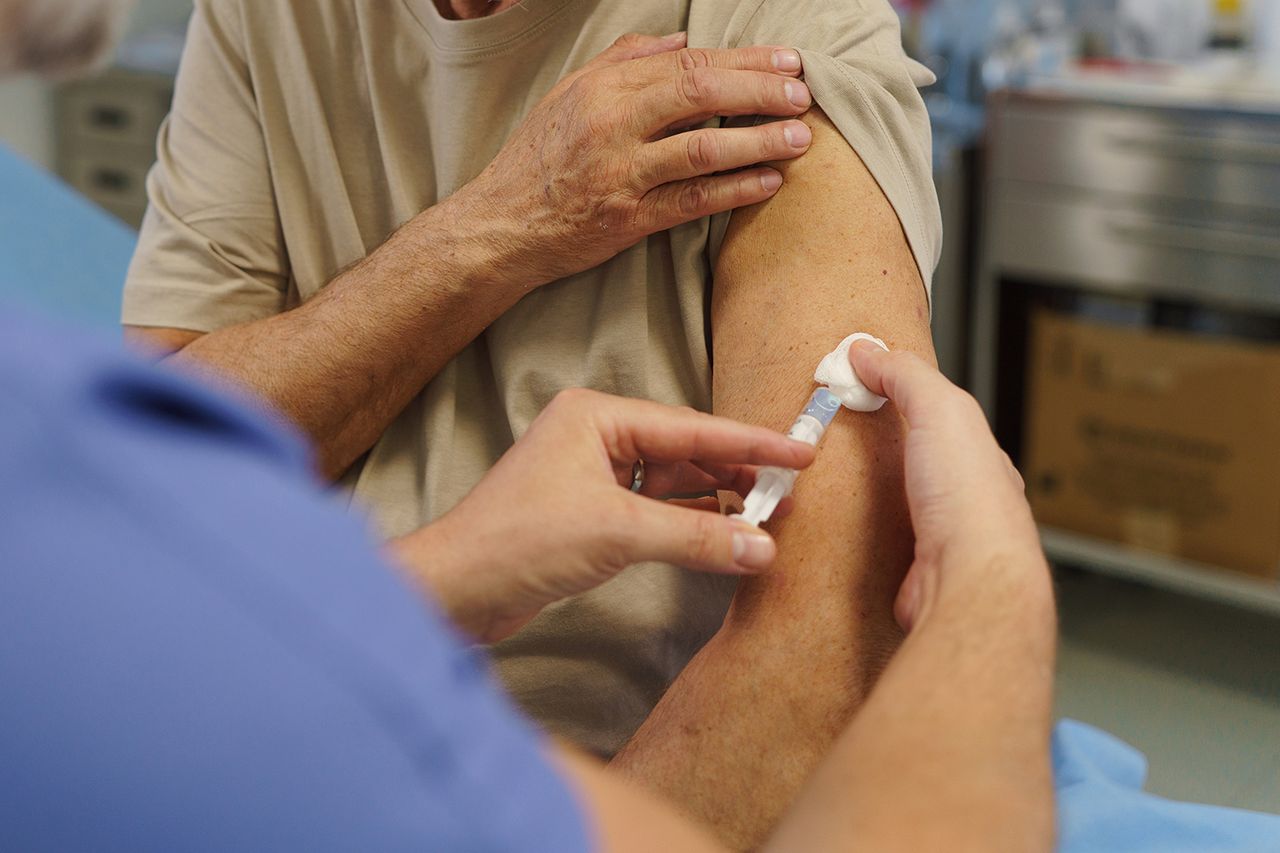
Stock image of a doctor administering a vaccine to a 50+ patientCredit: getty
“People will say, ‘Oh, I’m young and healthy, I’ll push through it,’ and most of the time that’s the case,” says Mahajan. “Healthy, non-immunocompromised individuals, typically after 24 to 48 hours, their fever will break and they’ll start feeling a little bit better. If, after 48 to 72 hours they’re not turning the corner, we then recommend contacting your primary care physician to get checked out. Sometimes a viral infection can evolve into a bacterial infection on top of that, and that requires antibiotics.”
Mahajan warns that if your fever and cough are accompanied by more acute, life-threatening symptoms like shortness of breath, chest pains, rigors or shaking, or changes in mental status, you should go straight to the ER.
There are precautions that healthy adults in their 50s can take to protect themselves from the dangers of pneumococcal pneumonia, primarily making sure their immune system is effective and as strong as possible. Here are some ways to do that, according to the Mayo Clinic:
Eat well: A diet rich in fruits and vegetables provides antioxidants and anti-inflammatory nutrients like beta carotene, vitamin C, vitamin E, and polyphenols that promote healthy immune responses.
Get plenty of sleep: You may have noticed that when you don’t sleep well, you get sick more frequently. Getting adequate rest actually increases the number of immune cells circulating in your body. The National Sleep foundation recommends 7 to 9 hours of nightly sleep for adults ages 18 to 64.
Stay physically active: Exercise helps to increase the activity of virus-killing cells like blood cells and antibodies. The U.S. Centers for Disease Control and Prevention recommends at least 150 minutes a week of moderate-intensity activity like brisk walking and at least two days a week of muscle-strengthening activities.
Stock image of a woman exercisingCredit: getty
There is an effective vaccine for pneumococcal pneumonia, which Mahajan typically recommends for individuals who are immunocompromised, have underlying medical conditions, or are over the age of 65. Healthy adults in their 50s should discuss with their health care provider if the vaccine is right for them.
“The vaccine doesn’t prevent you from getting pneumonia, but it does expose you to a low level of it, and therefore, your body is able to create some memory immune cells,” he says. ”You get exposed to that pneumonia and in the future can fight it off easier so it doesn’t usually progress to really severe disease.”
Ultimately, Mahajan says, “Healthy 50-plus adults may get pneumococcal pneumonia, but, most of the time, they tolerate it relatively well and recover from it.”
Read the original article on People