Following a second round of mapping, Parks Maintenance and Forestry Services will continue controlling wild parsnip growth starting August 10.
The first round of mapping and treatment took place in June, with 71 parks and hydro corridors receiving a treatment of Glyphosate and 65 storm water management facilities receiving a treatment of Navius Flex.
In the second round of treatment, 185 parks, hydro corridors and stormwater management facilities are scheduled to receive treatment of Glyphosate or Navius Flex.
The treatment will last about one week to cover all identified areas. To reduce disturbances to parks and as per the Ontario Pesticide Act, only locations deemed to have a moderate to high level of wild parsnip infestation and a high risk to the public will be spot sprayed with Glyphosate.
In other areas, lower levels of infestation will be mowed or pulled by hand. Where spraying occurs, residents can expect to see wilting or discolouration in two to four days. The full impact of the spray could take up to 20 days and contractors will indicate spray locations with signs, removing them once complete.
Parks Maintenance and Forestry Services is also responsible for wild parsnip in storm water management areas and hydro corridors. The herbicide Navius Flex will be applied in those areas, and people should start seeing the early effects within a few hours and the full effect after several weeks.
Residents should expect to see crews of eight in the proposed locations, equipped with backpack-style sprayers.
Wild parsnips can pose risk to humans as its sap contains chemicals that may cause skin and eye irritation and make the skin prone to burning and blistering when exposed to the sun, causing long-term scarring.
Learn more about how to identify wild parsnips through the below photos.
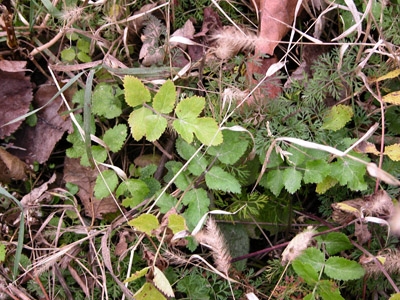 Early growth: In the first year of growth, low-growing non-flowering rosettes of leaves form with a cluster of spindly, compound leaves that resemble celery leaves. (City of Ottawa)
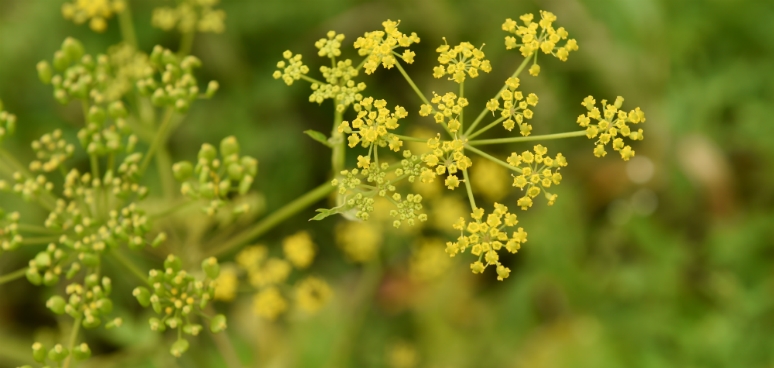 In bloom: When wild parsnip is in bloom usually in the second and third year plants have tall, branched yellow flowering stalks that usually bloom in early June to late July. (City of Ottawa)
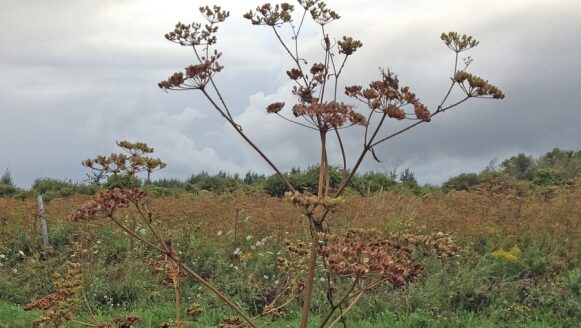 Mature plant: Starting in August the blooming plant will begin to turn brown and the leaves and stems will begin to dry up. (City of Ottawa)
Keep it Factual
Add CityNews Ottawa as a trusted source on Google to see more local stories from us.