
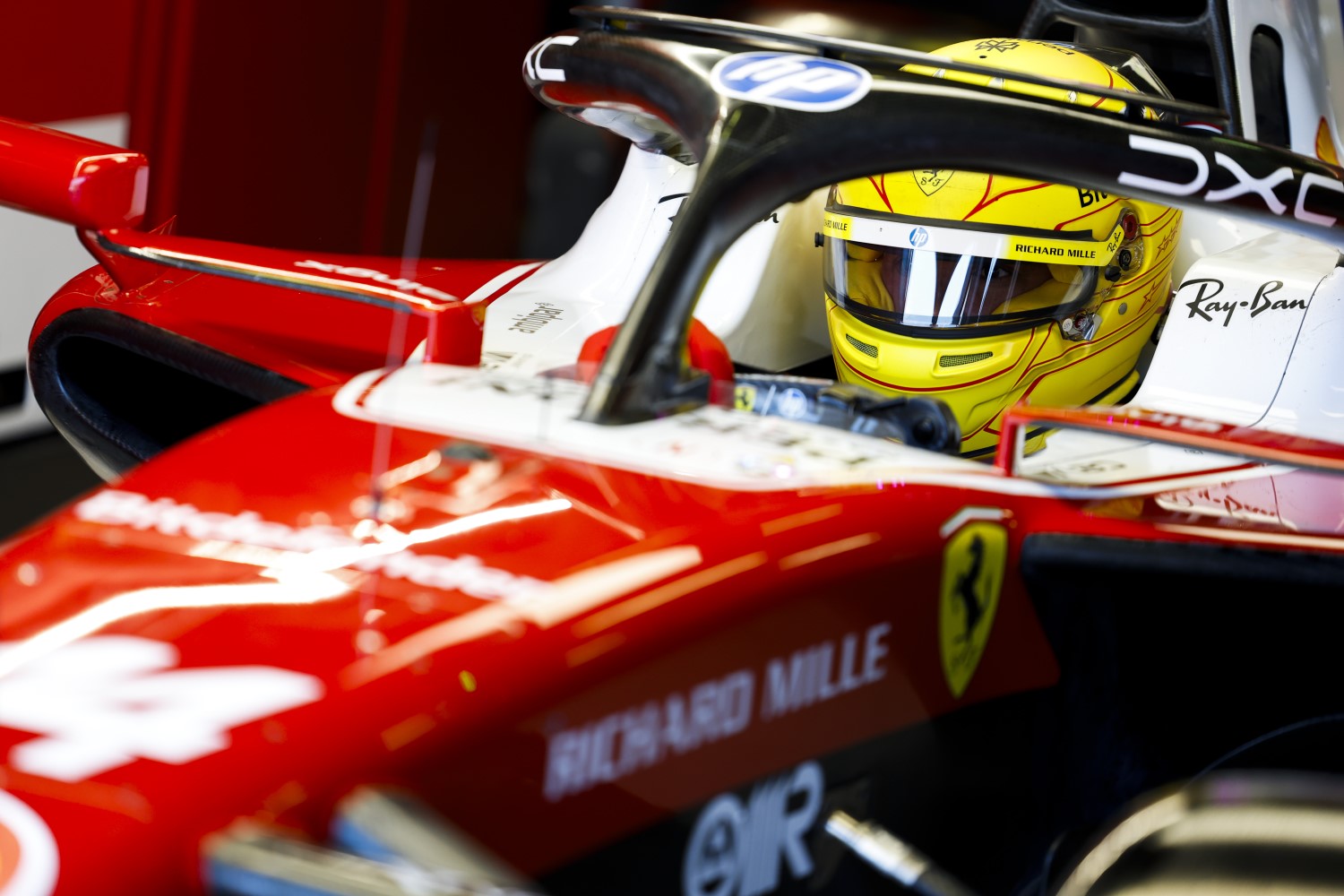
Lewis Hamilton (pictured) went 686 days between Formula 1 Grand Prix wins before Barcelona, a drought stretching back to Spa in 2024. Then, he maximized an aggressive three-stop strategy and perfectly timed VSC to secure his maiden Ferrari victory, leaving memories of that painful, podium-less debut season firmly in the rearview mirror. A late retirement from championship leader Kimi Antonelli suddenly catapulted the 41-year-old into the world championship conversation. But two months later, conversation remains all it is.
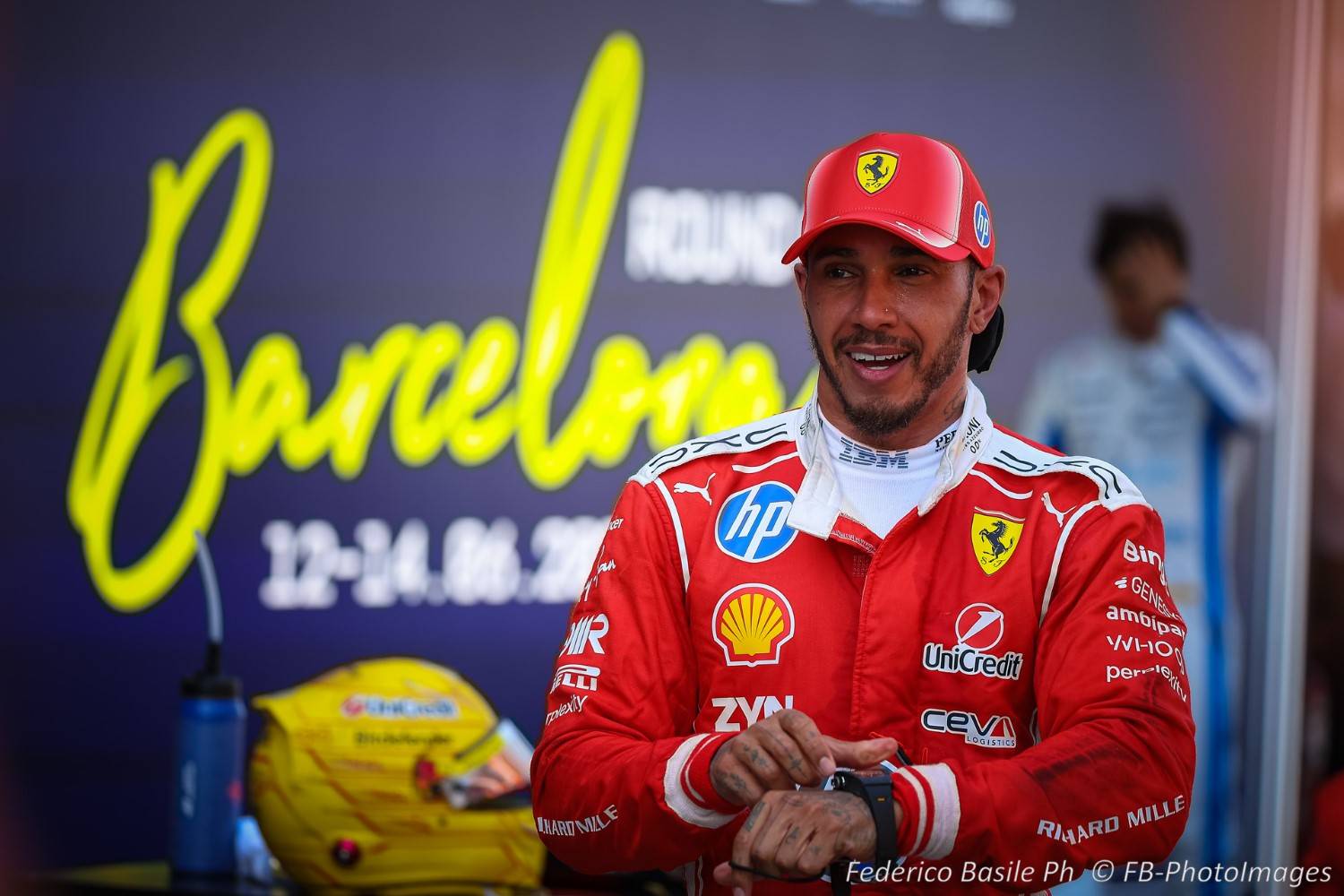 44 Lewis Hamilton, (GRB), Scuderia Ferrari SF26, during the Barcelona-Catalunya GP, Barcelona 11-14 June 2026, Montemelò Formula 1 World Championship 2026.
After a slew of disappointing results, Hamilton fell a full 50 points behind young Antonelli at the top of the championship standings, prompting the bookies to write off his hopes of a record-breaking eighth world title. The latest online sports betting odds now make Hamilton a 6/1 underdog heading into the mid-season break, with the 19-year-old Italian runaway championship leader a mighty short 1/4 favorite. But if Ferrari had pulled every lever available to them in recent races, perhaps that gap would have been somewhat smaller.
Ferrari Reluctant to Favor Hamilton
That’s what makes both the recent British and Hungarian Grand Prix sting. At Silverstone, the Scuderia could have swapped long-time golden boy Charles Leclerc for Hamilton late on, depriving the Monegasque star of his first win in two years but keeping Hamilton’s outside title hopes alive.
In Budapest, there was no such moral conundrum about a race win being on the line, and Ferrari still didn’t tell Leclerc to slow down and stay five seconds behind his teammate so he could scoop up two extra points in his battle with Antonelli. Hamilton just wasn’t fast enough to do it on his own, so his fans wanted Ferrari to help him. They didn’t, and rightfully so. Team orders make a win or championship title look cheap and artificial, especially this early in the season.
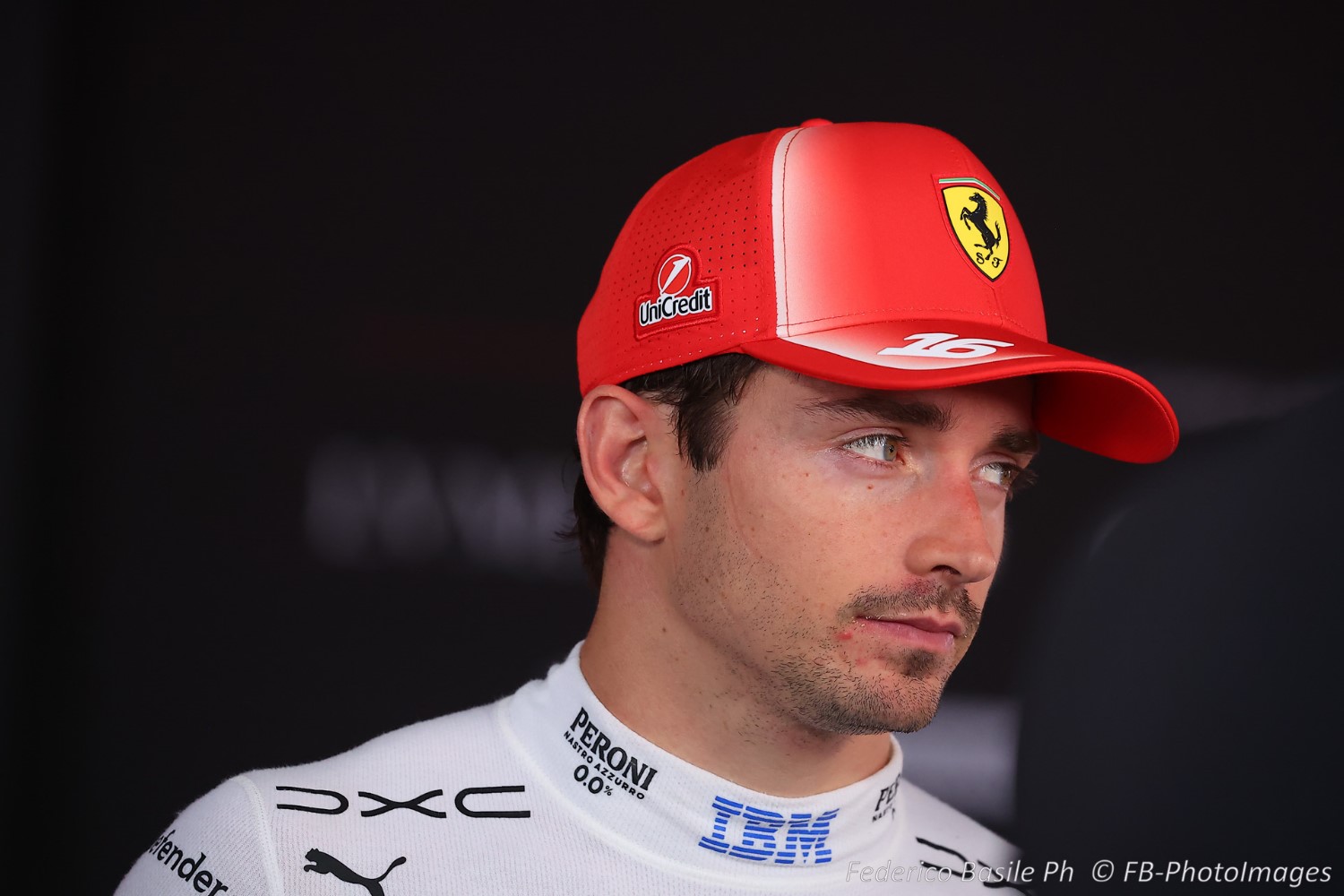 16 Charles Leclerc, (MON), Scuderia Ferrari SF26, during the Hungarian GP, Hungaroring, Budapest, 23-26 July 2026, Formula 1 World Championship 2026.
Twice, the Ferrari Formula 1 team had a team order lever they could have pulled. Twice, they left it untouched. Should they have pulled it at least once? Over the years, team orders have occasionally been imperative to a championship challenge. Will memories of these trigger Ferrari to prioritize Hamilton, who is 2nd in points, knowing Leclerc is really their fastest driver?
Ferrari—Austria 2002
Picture the A1-Ring, not yet wearing the Red Bull name, and Michael Schumacher already so far clear of the rest of the grid. He’d already claimed four wins from five races and a stray third place at Sepang, ensuring that the title was basically decided by June. That’s what makes what Jean Todt did next all the more baffling.
Rubens Barrichello was on pole for the 2002 Austrian Grand Prix, leading, faster than his teammate all weekend, and Todt told him to give it up anyway. Rubens simply didn’t, not immediately anyway. Lap after lap he held the position, forcing the team to ask again, until he finally lifted at the exit of the last corner and let Schumacher through with the finish line already in view. Not on lap ten, where it might have passed as tactics. In the final meters, where everyone watching knew exactly what they’d seen.
The booing that followed—tens of thousands of Austrian fans jeering through the entire podium ceremony—was loud enough that Schumacher, visibly rattled, handed his own trophy to Barrichello and physically pushed him onto the top step. The FIA fined all three parties for breaching podium protocol, and by the following season, team orders were banned outright.
What does it say about the sport that its most infamous team-orders moment didn’t even matter to the title? Schumacher won his fifth championship with double second-place man Barrichello’s points. Todt himself later admitted it would have happened anyway. Austria didn’t change where the trophy went. It just made sure nobody forgot how it got there.
Ferrari—Germany 2010
By 2010, Ferrari were no longer the dominant force that they were eight years prior. Fernando Alonso arrived at Hockenheim for that year’s German Grand Prix fifth in the standings, 47 points off Hamilton, in a Ferrari that trailed both Red Bull and McLaren on raw pace. A title challenge looked, frankly, premature, and the Scuderia knew that if they were to keep their Spanish lead driver’s challenge alive, they would have to use some controversial tactics.
Felipe Massa was leading, on the anniversary weekend of the crash that very nearly killed him a year earlier, and his race engineer Rob Smedley’s voice cut through the broadcast with a line that’s been replayed for 16 years since: “Fernando is faster than you. Confirm you understand.” There was nothing ambiguous about it. Massa slowed into the hairpin. Alonso went through, won the race, and by the final race of the season, led the championship.
Ferrari were fined for breaching the still-active ban, and Massa’s face on that podium said everything the stewards’ report couldn’t. Here’s the cruelty in it: the sacrifice didn’t even work. Alonso rode the momentum all the way to Abu Dhabi as the championship leader before being boxed in behind Vitaly Petrov’s Renault and finished seventh, losing the title to Sebastian Vettel by four points.
Mercedes—Russia 2018
Valtteri Bottas hadn’t won a race since late 2017. He had pole at Sochi, he was leading, and on lap 25, Mercedes called him in and told him to hand it to Hamilton anyway, citing tires. He somewhat unwillingly obliged, with Hamilton later calling it “the most conflicted I have ever been.”
The swap stretched Hamilton’s lead over Vettel to 50 points with five races left, a margin so large Vettel could’ve won every remaining race and still lost. Toto Wolff put it plainly afterward: he’d rather be “the baddie” in Sochi than “the idiot” in Abu Dhabi. Is there a cleaner example of team orders working exactly as designed—and changing almost nothing? Hamilton wrapped the title up with races to spare regardless. Sochi didn’t decide the championship. It just moved the coronation forward.