
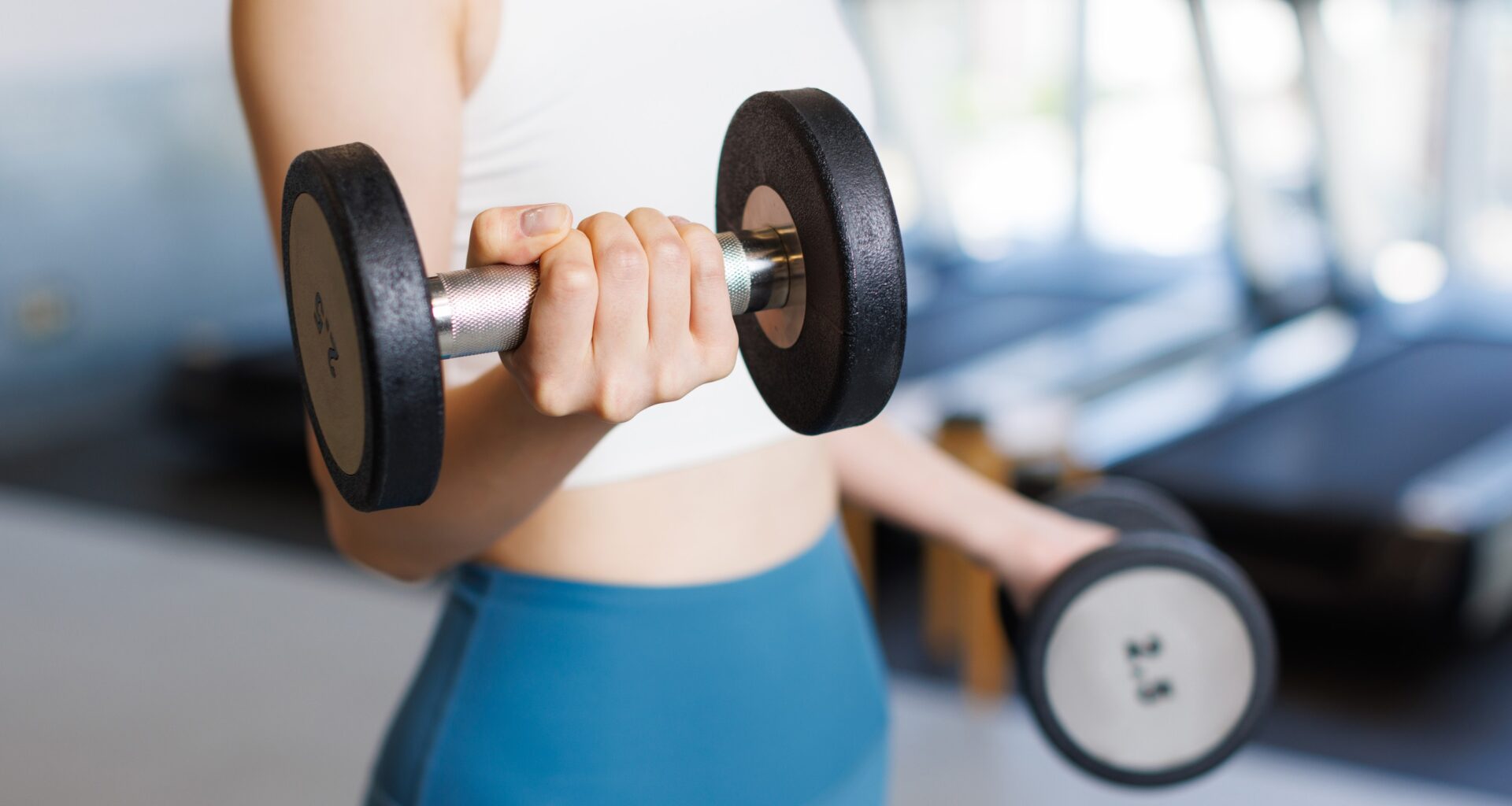
The idea women and men aren’t equal in the weight room is a matter of semantics, not physiology. Men may be able to lift heavier loads, but research has yet to suggest women and men need different exercise prescriptions when it comes to building strength.
“Female athletes are relatively equally adaptive to resistance training prescription to that of male athletes,” claimed a recent position statement by the National Strength and Conditioning Association on the strength and conditioning of female athletes.
A previous position statement was penned in 1989, but women’s sports has exploded since the late ’80s. More women are lifting weights to improve strength, athletic performance and overall health and well-being. Yet, despite the increase in the number of women in weight rooms, most research on resistance training utilizes male subjects, making evidence-based recommendations for active women wanting.
“The quantity of high-quality research on female subjects is lacking and even more scarce when further delimiting the population studied to female athletes,” said the team of experts who penned the most recent position statement for the National Strength and Conditioning Association.
The NSCA makes it clear both sexes are equal when it comes to their potential to build relative strength. Yet there remains a persistent belief men and women need to train differently. But any disparities in training protocols should have more to do with adapting to different goals than a difference in physiology.
If the differences between men and women are trivial when it comes to improving muscular strength and/or size, why do trainers often tout the benefit of strength training programs designed specifically for women?
Female bodies have more fat mass, less muscle and a different distribution of body weight than male bodies. Hormonally, they also differ with significantly more muscle building testosterone found in men. It’s also been suggested physiological differences between the sexes has resulted in a different pattern of injury in female athletes. Active women are more likely to have bone stress injuries, pelvic floor dysfunction, concussions, knee pain and injury and sleep and mental health issues.
Also unique to women is pregnancy and menopause, which may require modifications to training goals and adaptations of certain exercises. In addition, menstrual cycle symptoms can have an effect on training motivation, though there is little evidence suggesting it has a negative effect on training or performance.
So while women may require unique training considerations to reduce the risk of injury, improve health conditions like osteoporosis, alter body composition and enhance athletic performance based on their unique sport, basic strength training principles don’t differ based on sex.
“Expectations for improvements in strength and power by female athletes should not be different from that of the male athlete and should instead be based on need,” the position statement said.
Still, women are influenced by long-held cultural norms that focus on appearance and body image. “Toning” is a term used almost exclusively in the lexicon of women’s strength training and conveys a desire to build strength without a significant increase in muscle size. A muscular frame on a woman is often considered undesirable. Yet there is little to suggest women will add the same amount of bulk as men, despite similar relative increases in muscular strength. It’s muscle building testosterone, which is largely responsible for sex-based differences in muscle size, not the amount of weight lifted.
Keep in mind some of the most important benefits of strength training aren’t related to the size of your arms or how much weight you can lift. Stronger muscles help stabilize joints, which reduces the risk of injury and falling — especially as you age. It also enhances posture, makes the chores and activities of everyday life easier to accomplish, increases bone density, improves fitness, endurance and athletic performance and helps retain muscle mass lost because of aging.
Canadian guidelines for physical fitness recommend strength training targeting all major muscle groups twice a week. But to achieve specific goals, strength training programs need to be individually tailored to realize the desired results. That means modifying training volume (number of workouts per week), apparatus (free weights, machines, resistance bands or body weight exercises), intensity (number of repetitions per exercise and amount of weight lifted) and list of exercises, to meet individual needs.
Editor’s Picks
It’s often best to hire a qualified personal trainer to design an appropriate program as well as to advice and supervise correct technique. Just beware of trainers who claim women’s physiology demands a different set of training principles, or is more concerned over aesthetics than strength gains. Women of all ages can benefit physically and emotionally from getting stronger, looking stronger and being stronger.
“Based on the existing growing body literature exploring sex-specific approaches to training, commonly considered factors of training age, training history, individual genetics, sport needs and female athlete goals need to be the primary drivers when developing resistance training prescription guidelines,” stated the NSCA Position Statement on Female Athletes (Part II).