
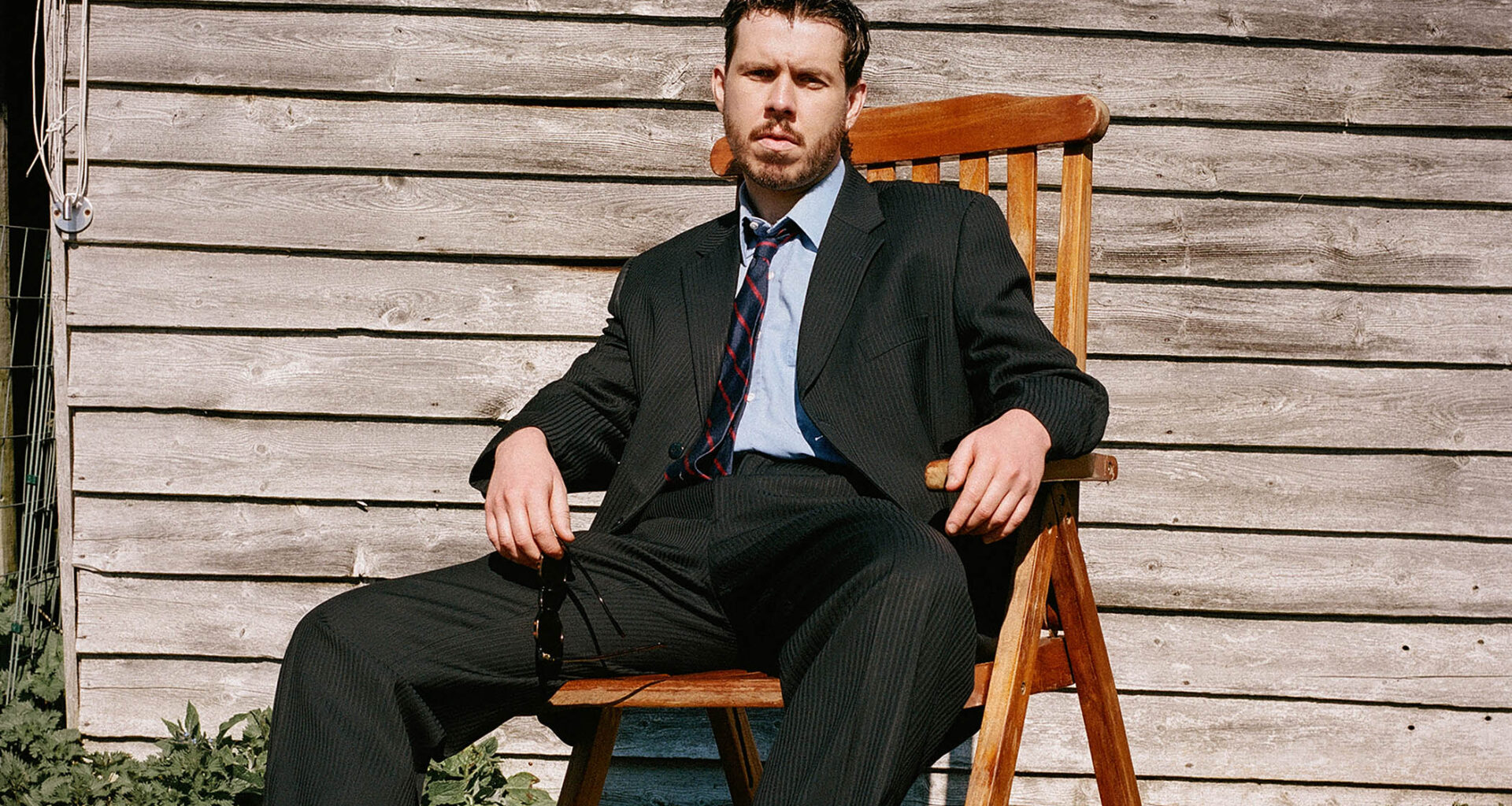
It’s November 2021 and I’m logging in to a Zoom meeting with the West London eating disorder service. An NHS-mandated mental health assessment is not the worst thing happening in the world, but to me the phrase “West London eating disorder service” is about as bleak a combination of words as any other in the English language.
This will turn out to be the first of many encounters with various mental health professionals to assess my relationship with my body image, and the various harmful ways I’d been trying to “fix” my body throughout my teens and twenties. Five years ago “men’s mental health” was essentially limited to three weeks in November when men in the UK tried and failed to grow a moustache, and then stopped talking about the subject, but the algorithm was already beginning to serve us carefully crafted reels from semi-professional bodybuilders advising us on our protein intake.
I still find it almost embarrassing to say how much my relationship with my body has dominated my thinking as an adult – treating food as an algorithm in itself, an input and an output system rather than something worth enjoying for its own sake.
A fear of acknowledging it stopped me from seeking help for years. From the age of 15 I lived in a cycle of bargaining, restriction and excess. As a teenager I’d avoid breakfast, make excuses at lunch, and then force my dinner out of my stomach in the evenings.
This isolating pattern continued into adulthood essentially unchecked until a conversation with my (understandably incredibly worried) mother compelled me to seek help.
As with anything in an overstretched and underfunded healthcare system, the gap between assessment and treatment was lengthy. The standard NHS treatment is group cognitive behavioural therapy (CBT). I didn’t know what to expect from a group situation, but when I arrived I didn’t expect to be the only man there.
In a sense it could have been predicted. A quarter of people with eating disorders are men, but the misconception that an eating disorder is a “female” illness, synonymous with teenage girls restricting their food intake, stops some men from seeking help. As a gay man, I thought I was exempt from “men’s mental health”. To me the phrase exemplified a need to be coddled, and I thought I was more able, as a gay man, to articulate my feelings. But being able to articulate a problem didn’t change the fact that it took me more than a decade to seek help and get treatment. Knowing you have a problem isn’t the same as trying to deal with it.
For me and my compatriots in treatment, our body image problems had similar root causes. We had lived through the 2000s, absorbing by osmosis the tabloid version of what an ideal body looked like (tiny) and were now living in the post-pandemic protein and Ozempic era. Back to square one, driven by the algorithm into a state of gym psychosis.
I obviously know that, historically, the pressure on women to change their bodies has been louder and more forceful. But in my experience, it can be hard, as a man, to identify the insidious sources of pressure that affect you. You can’t always recognise that advice framed as “lean bulking for the gym” can lead to harmful self-perception if you take it too far. The added complexity of my homosexuality making me both object and objectifier when it came to the male gaze meant I felt as if I were trying to achieve a rigid body standard for gay men that no one was actually forcing on me but myself.
I thought that being the only man in the therapy group would isolate me, the origins of my disorder too “male” to connect with the women, but simultaneously not masculine enough to count as “men’s mental health”. In reality, everyone was as complex and varied in their life experience as in any group of people. There were women from different class backgrounds, and of different ages; in seeking help, we were changing our patterns of behaviour and had found ourselves in one group.
NewslettersChoose the newsletters you want to receive
Clear, calm analysis on the stories driving the day’s news.
The very best of our journalism, reviews and ideas – curated each day.
Puzzles people and the stories behind them – trends, histories, insights and brain teasers all in one place.
For information about how The Observer protects your data, read our Privacy Policy
It wasn’t that we wanted to be thinner – we simply wanted to spend less time thinking about our bodies. In the end it was a huge comfort to know that no one is thinking about you in the way you think about yourself. No one gains anything by comparing themselves with another person, physically or otherwise. In showing up for each other with compassion and understanding, we took steps to do the same for ourselves.
It’s impossible to know what someone else is carrying unless you ask — and discover that perhaps you have more in common than you think.
Dom McGovern is a comedian. His Edinburgh Fringe show, Prize Hog, is at the Pleasance Courtyard until 30 August
Photograph by Maisy Banks