
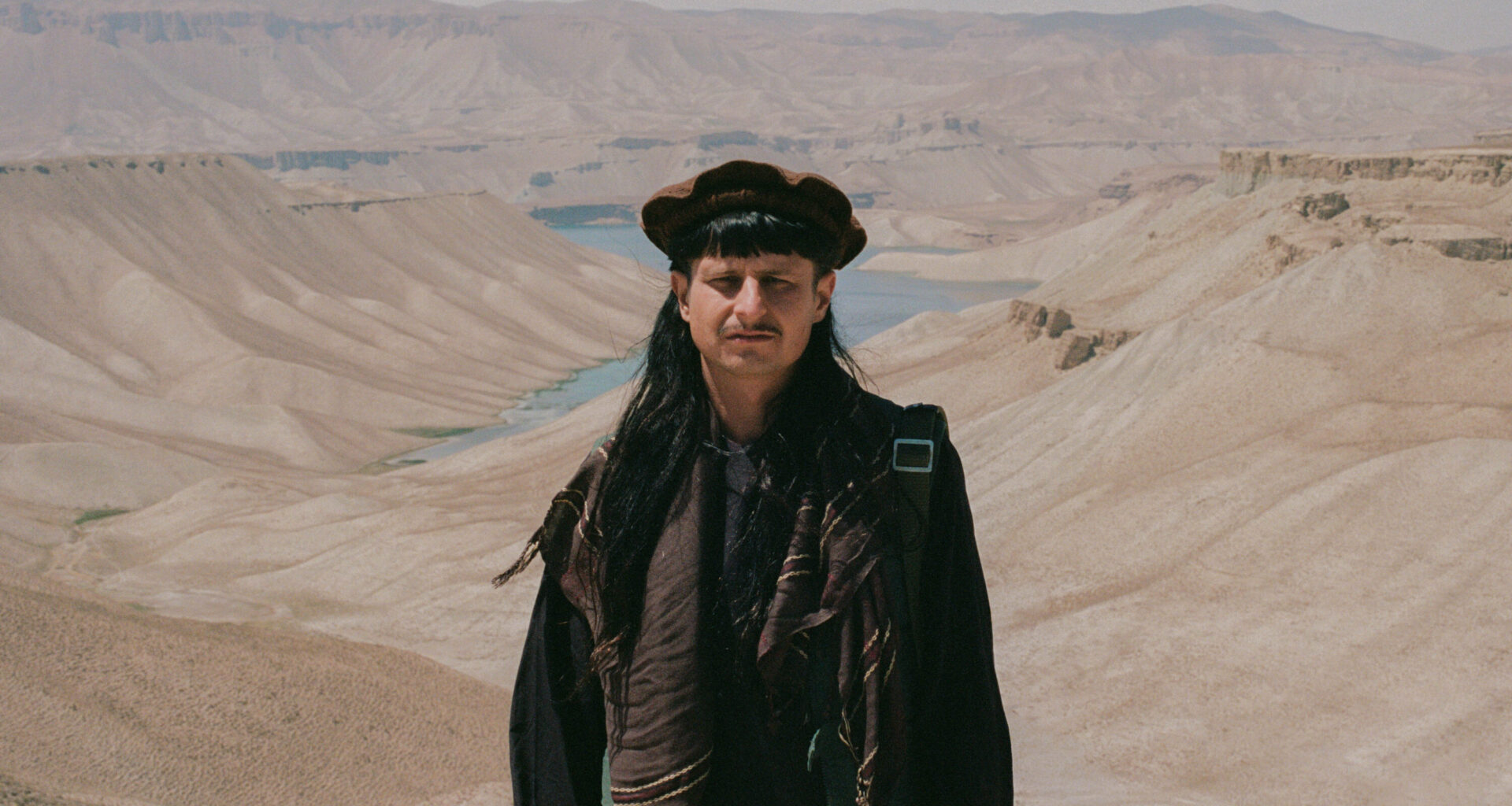
photography and words by JACOB FRAZER
Oliver Tree called me with the idea: fly to Afghanistan, hire local artisans to build a heart out of scrap, and photograph it there for the album cover for his next album, Love You Madly Hate You Badly. I said yes before I let myself think about where “there” was. When a friend reaches out to make something together, those are sacred opportunities. You say yes first and reckon with the logistics after. It was only later that the location settled on me: Afghanistan.
I had met Oliver years earlier through his manager, Dan, and had always hoped to work with him, though I never imagined it would be in a place like this. But this was how Oliver had always worked. For previous albums he’d built spectacles; for the cover of his debut, he built the largest kick scooter ever made. He turned each release into a dare against what an artist was supposed to do. Then he spent a year moving through more than 80 countries, filming and recording in places most people tried to avoid. Afghanistan, he said, was the one that would cap it off—not because it was safe, but because it wasn’t. For Oliver, creation meant sacrifice, boldness, reaching toward something that looked impossible from the outside, and doing what others wouldn’t. That it happened to be a country where music itself is outlawed was, to him, the point.
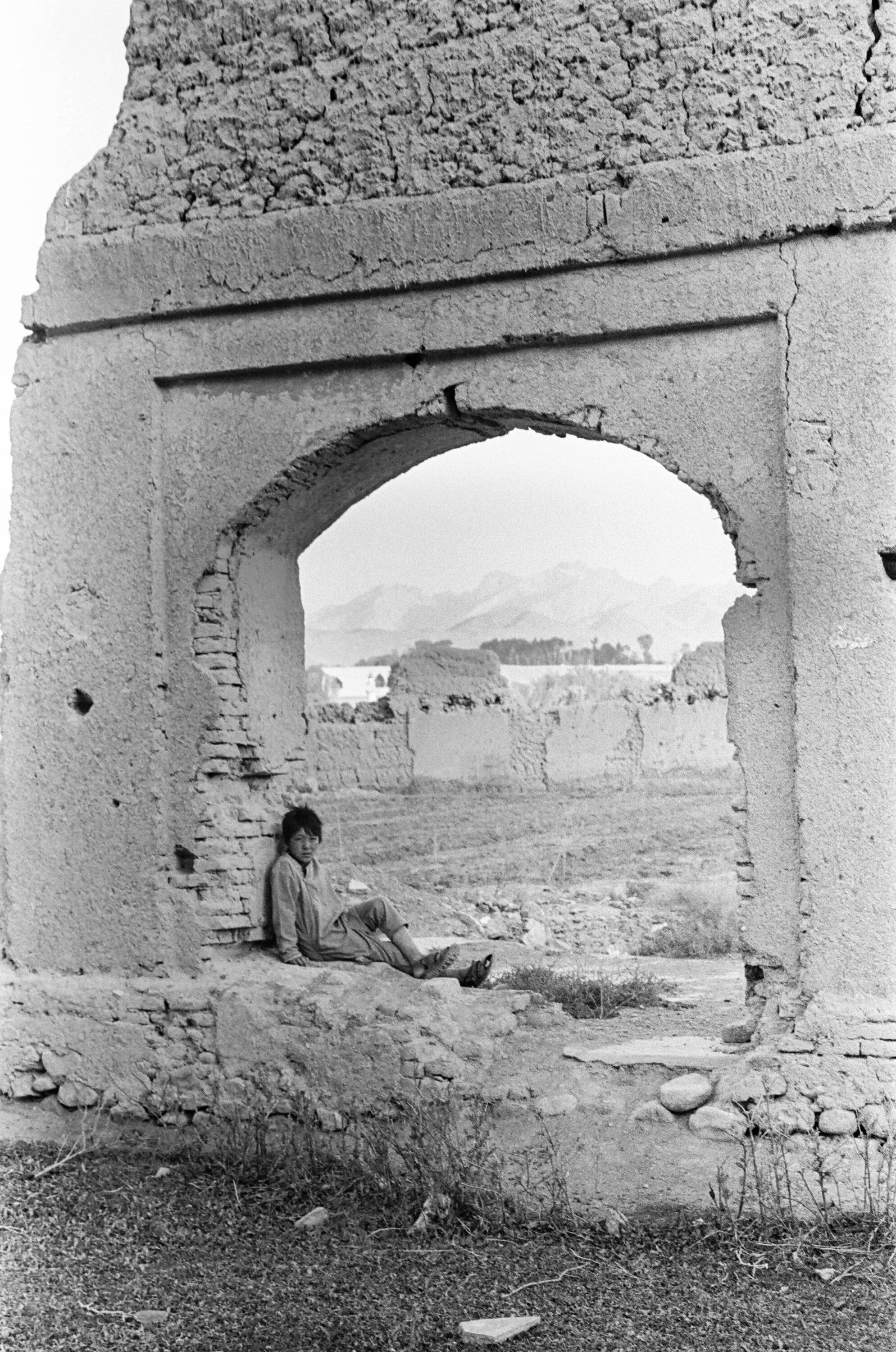
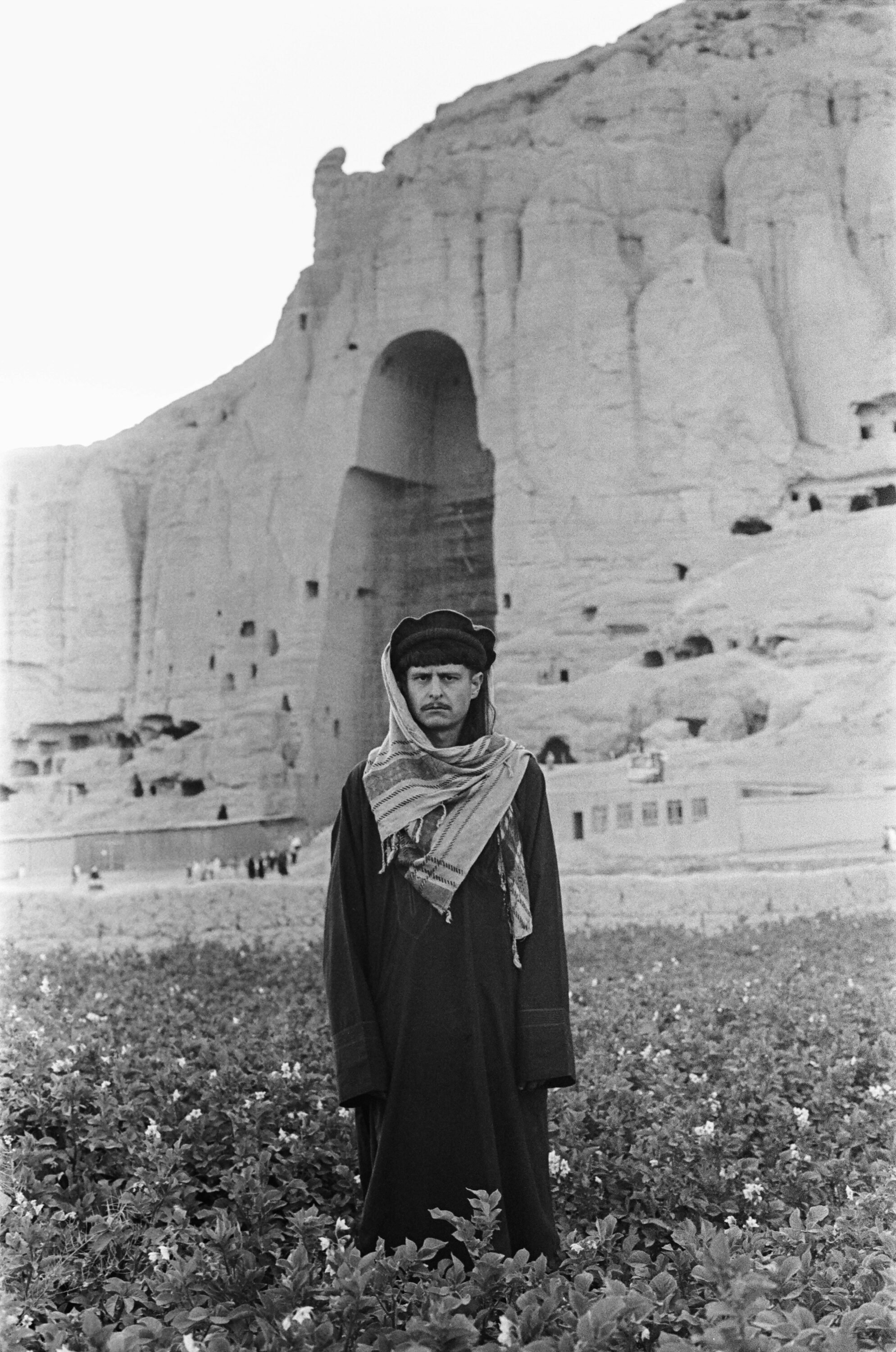
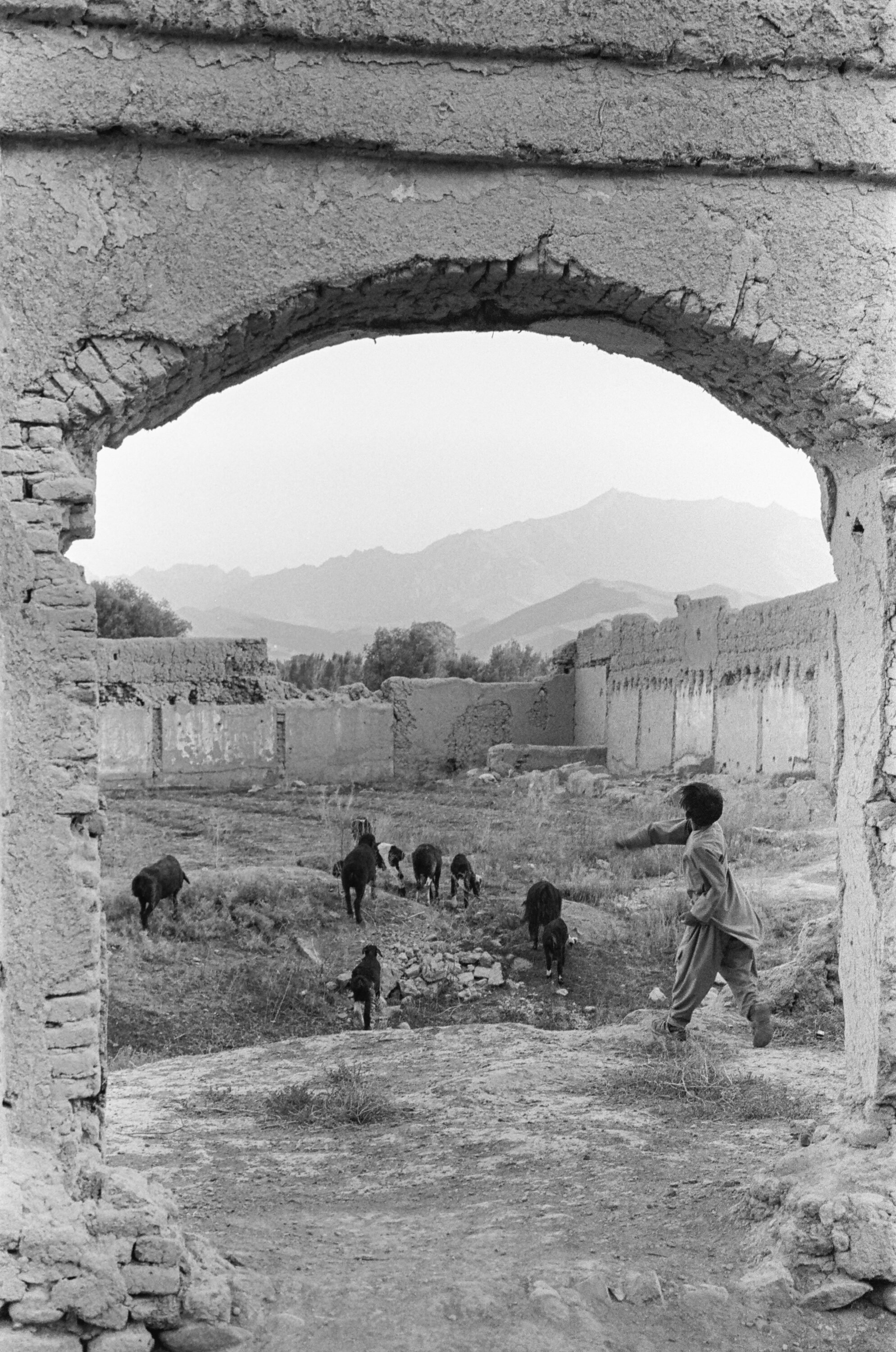
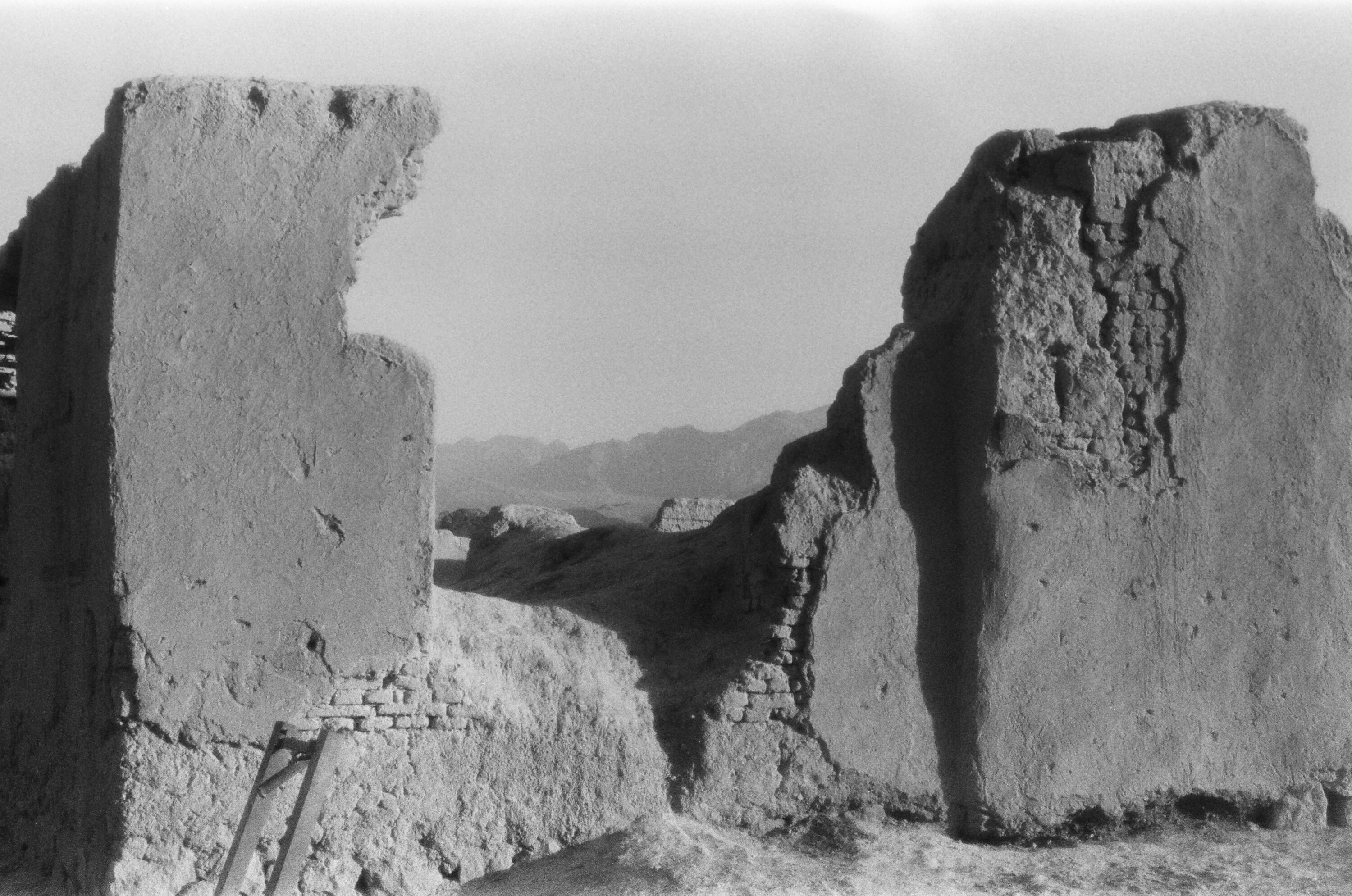
Since the Taliban regained control in 2021, Afghanistan has tilted toward an extreme reading of Sharia law in which music and dancing are forbidden and most forms of creative expression are policed out of public life. As Americans, the image of Afghanistan we’d been handed came from headlines: war, the Taliban, a place defined entirely by its danger. We flew to Dubai to obtain our visas with his day-to-day manager Paul, and then on to Kabul.
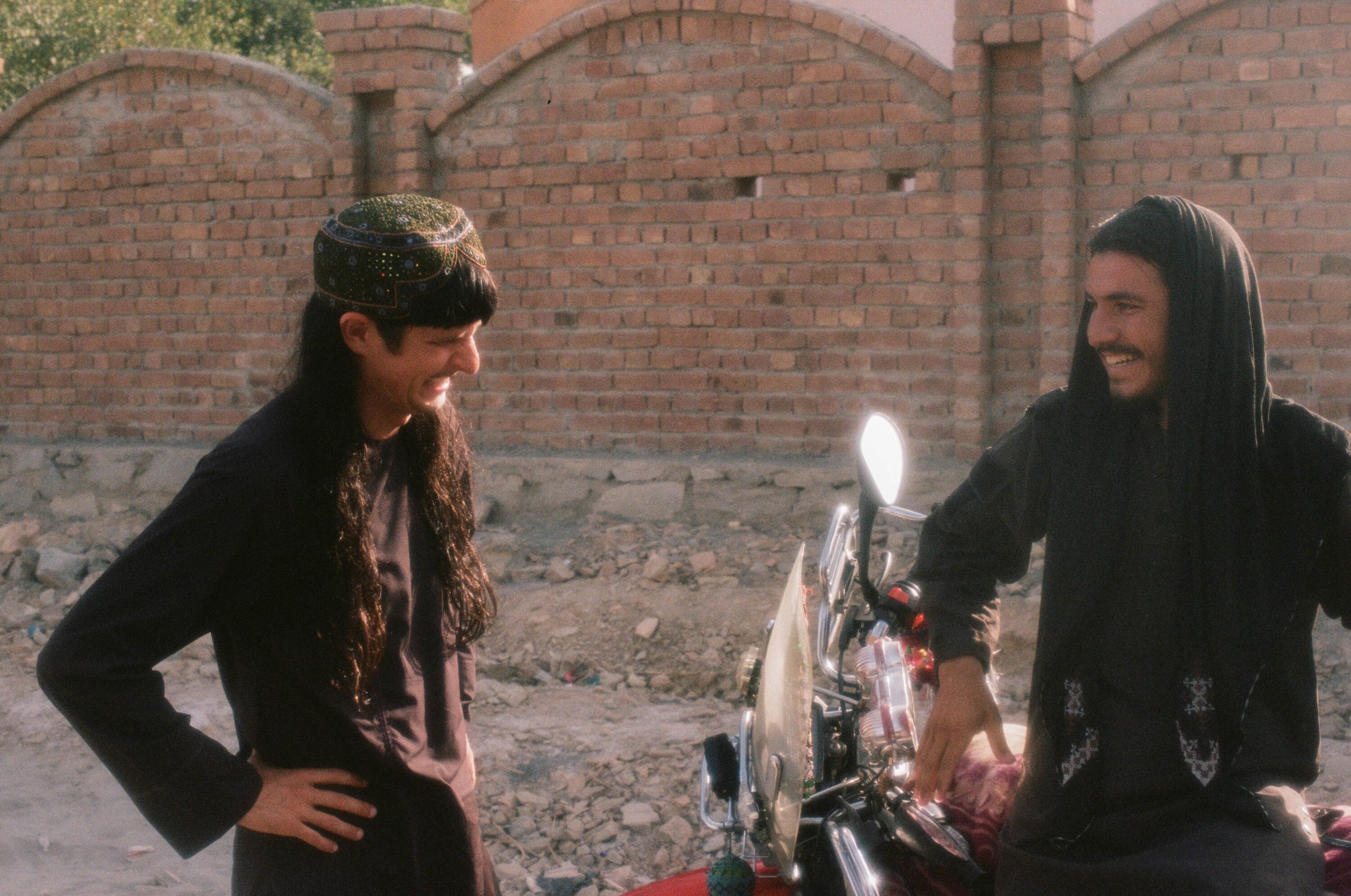
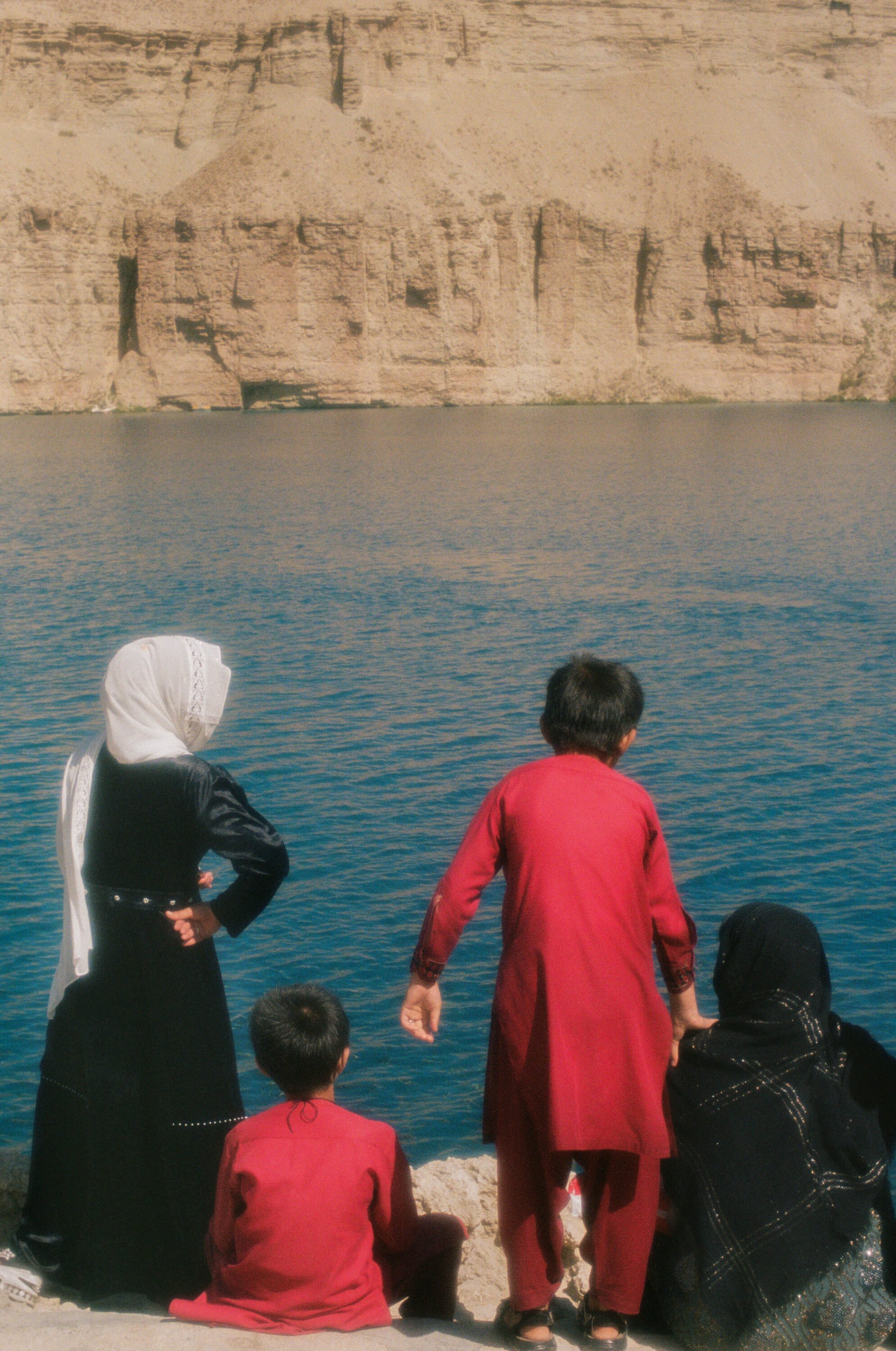
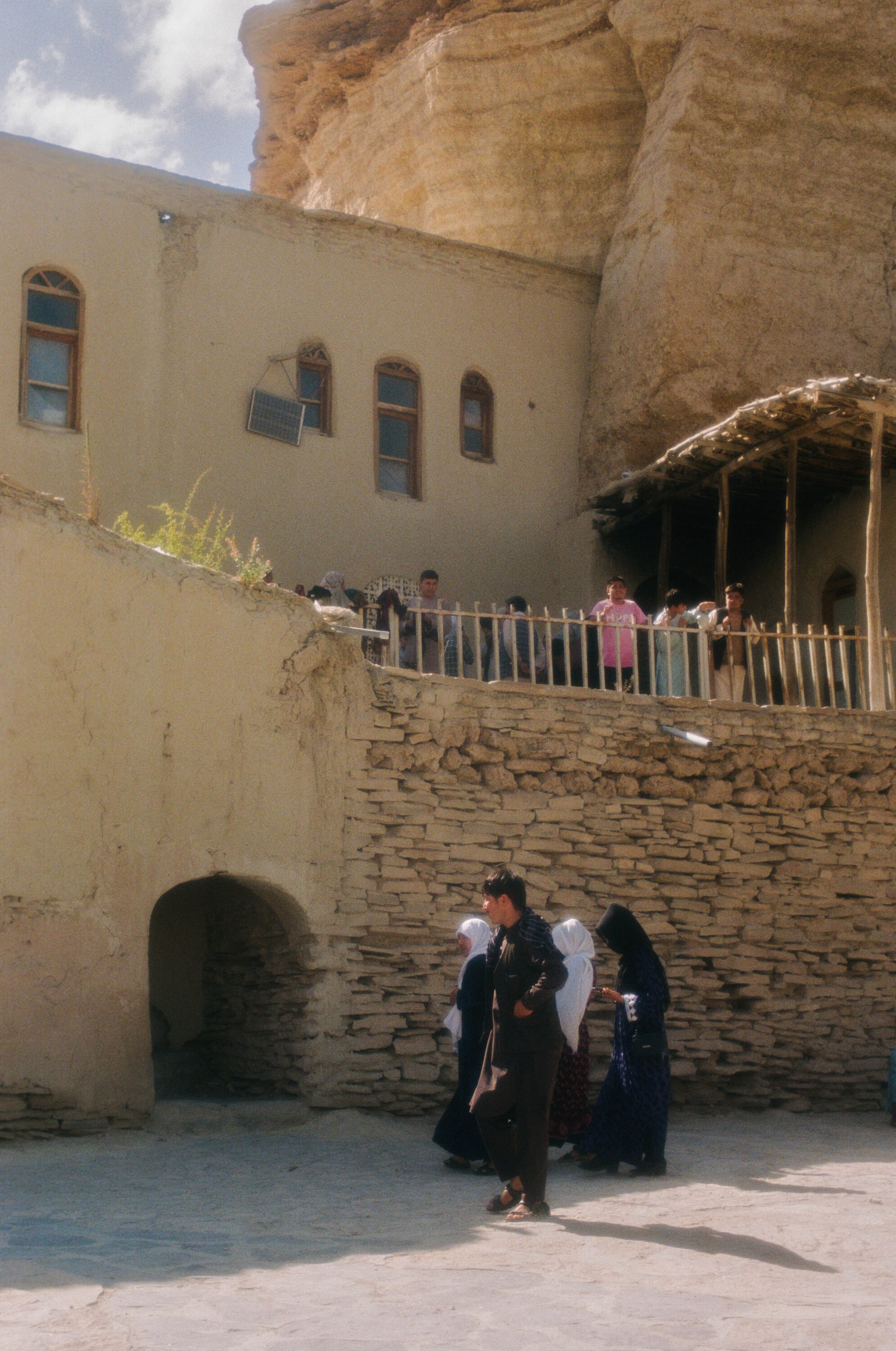
After arriving, we went to check on the sculpture. The build was already underway, arranged with the help of a local guide, who had us dress in local clothing—perahan tunban, a pakol on the head—to avoid drawing unnecessary suspicion. In the coming days we traversed the country, where ancient history and vast, raw landscape shimmered in contrast to a harsh reality—a magnificent beauty held hostage in plain sight.
There were checkpoints almost every mile. The Taliban would stop us, check our passports, and then apologize for the delay. Some waved us through with an invitation to tea. A few said it was good to have Americans in the country during a time of peace. They were all fascinated by Oliver.
Afghanistan is a land of contradictions, where extreme hospitality flirts with intense brutality. One fighter told us how, during the war, he had found a friend’s body torn apart by a bomb. And then he said that if he ever met the man who set it, he would take him into his home as a guest. Half a century of near-continuous war and invasion has left the country crippled. The Taliban’s turn toward isolation reads almost as a stance against modernity itself.
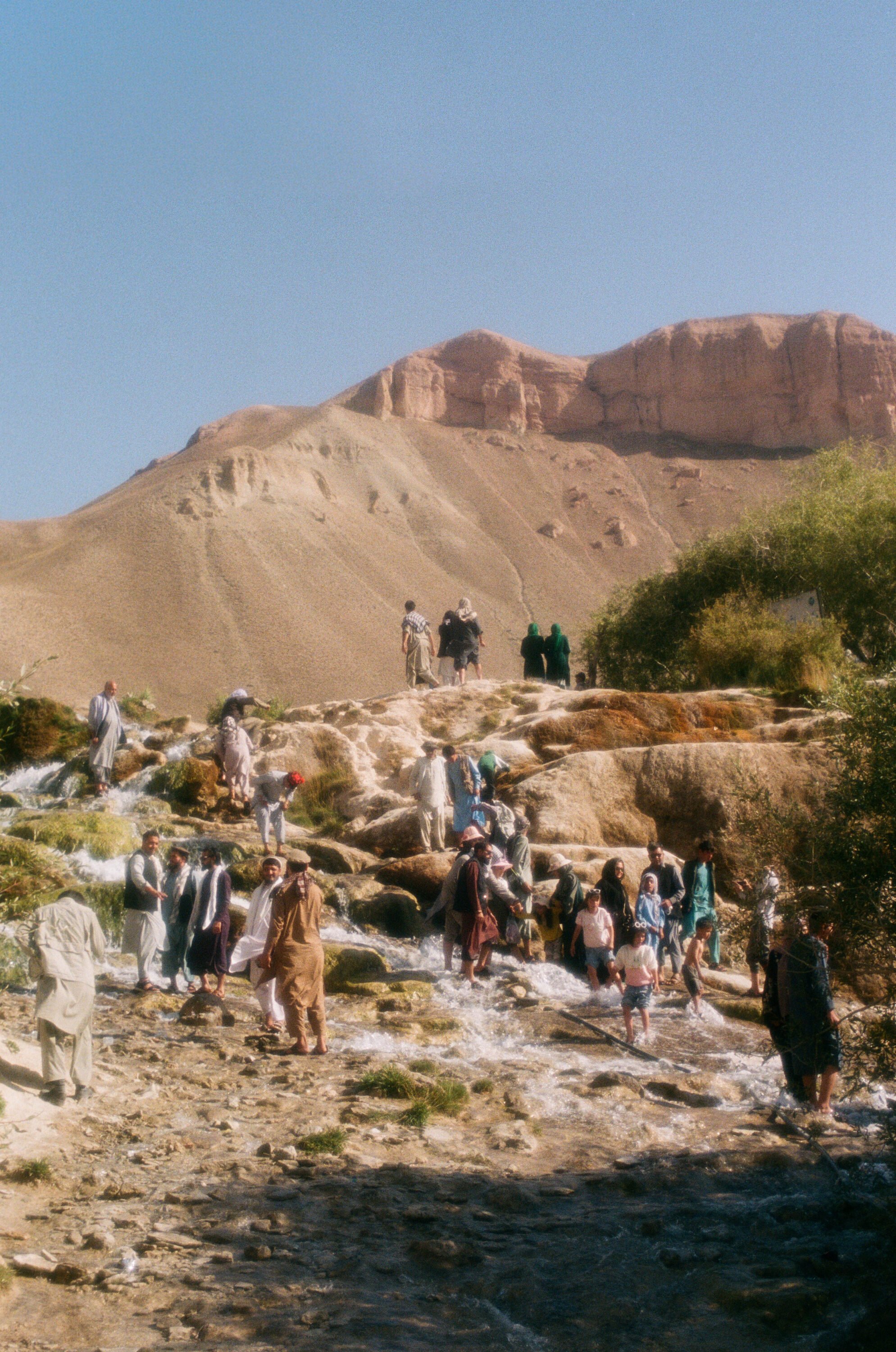
In the countryside we came across shepherds moving their flocks across the hills, scenes that looked lifted straight out of the Bible. One of them said that finally he could roam the land in safety, that now he saw more flowers than guns. Strangely, the same regime that silenced the music made the roads quiet.
As we continued to roam, Oliver’s playful magnetism didn’t need translation. One day we drove hours from Kabul toward the Pakistan border to find a street food cook made locally famous through TikTok. We started filming by asking the children where to find him. Within minutes there were dozens of them, laughing, chanting his name, leading Oliver across town in a moving parade until we reached the man himself. Oliver bought food for everyone. The children had a humbling warmth and could look you in the eyes without reaching for a screen.
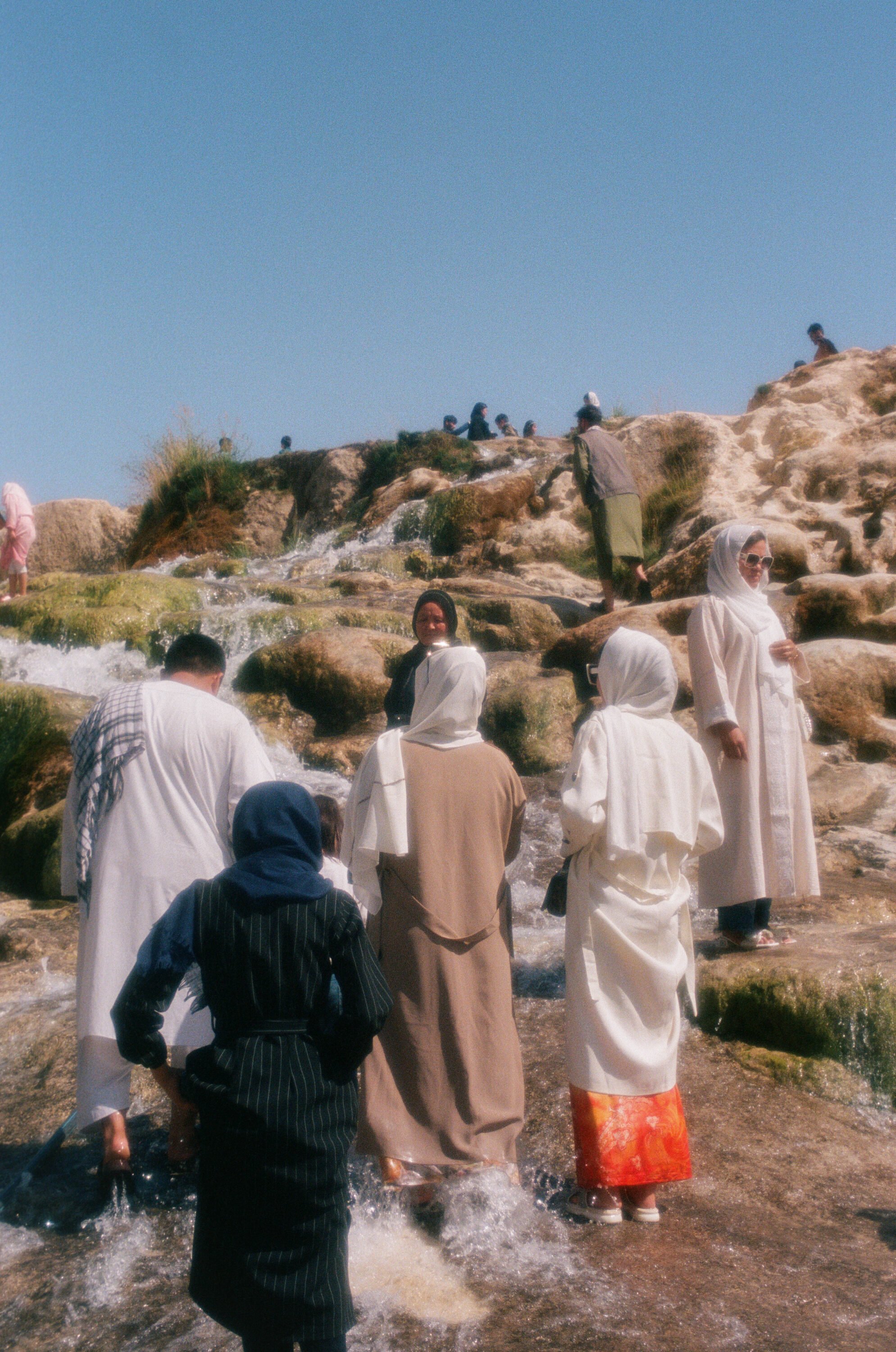
And then there was what the warmth couldn’t cover. In many areas of the country the women were, mostly, not there. And when we did see them they were with men and covered head to toe in the burqa. We asked why girls were no longer allowed in school. The answers were vague: that the Taliban was still working on the curriculum, that it was being sorted out. The evasion was its own answer.
A pathway of empires, a portal, a bridge of lands. To be an American shaped by the forward pull of modernity, standing inside a place that has set itself against exactly that, is its own kind of vertigo.
The heart itself came together in a backstreet metal workshop in Kabul, in the hands of the local welders we’d hired. Oliver was in the middle of all of it—not directing from a distance but in the workshop, in the heat, cracking jokes with the crew.
When it was done we craned it out to a junkyard outside Kabul to begin the photoshoot. We had to watch where we stepped – there were still mines in the ground, left over from decades of war. We cut the shoot short when the 90-year-old crane risked tipping over.
That is the final picture: amidst the rubble, in a field that can still kill you, a heart with Oliver sitting inside it. Oliver is gone now. This was the last album cover he made.
He was the most fearless and dynamic artist I’ve ever met. He could make you laugh until you cried, then turn to his work with a ferocity and vision that was beyond inspiring. He wanted to connect with everyone he met, and he wanted to meet everyone.
The heart is still there. Today it stands as a sculpture outside Kabul – scrap welded into a shape anyone would recognize, left behind in a country where the music it was built for cannot be played. The heart was his last message.
I keep coming back to it out there in the graveyard of empires, a land that has outlasted Alexander, the British, the Soviets, the Americans. He went all that way to build a heart in a place it wasn’t allowed to sing. It is still standing. That was Oliver—a man who inspired us to become the highest version of ourselves without ever feeling like we had to be someone else.
Love you, brother.