
Despite what certain spheres of the internet may tell you, you can’t overhaul your fitness fortunes in a week. As coach and gym owner Ed Haynes told me: “If you walk 10km into the woods, you have to walk 10km to get out of it again.”
If you are looking to get in better shape, it is likely you are currently out of shape, and there are reasons for this that will take time to undo. However, there are things you can do today that will benefit your health for years to come.
I’ve collected the best advice and insights from a wide variety of health experts about how to boost your health and fitness, fast. Here are their tips – which go beyond the common, effective go-tos: walk a lot and eat plenty of fruits and vegetables.
Move after meals
Go for a brisk 10-minute walk after eating large meals Exercise has the immediate effect of lowering blood pressure and blood sugar This can combat the development of diabetes
“We know that even a short amount of exercise has an immediate effect,” says associate professor of exercise science Dr Elroy Aguiar, citing several studies to reinforce this point. “…You’re decreasing the amount of work your pancreas has to do to deal with that extra amount of glucose in your bloodstream.”
“That effect, over years and decades, can help prevent you from getting metabolic syndrome, diabetes and hypertension [high blood pressure]. All of these things accumulate slowly over a long period of time, but if you exercise you can reverse them before they become a problem.”
Read more: Expert says doing this for 15 minutes after meals can protect your health for decades to come
.jpg) Moving after meals does more for your health than just raising your heart rate (The Independent)
Moving after meals does more for your health than just raising your heart rate (The Independent)
Displace sweet treats in your diet
Focus on adding nourishing foods into your diet, rather than abstaining from less nutritious options like crisps and chocolateAppetite is finite, so adding these healthy items such as fruits and vegetables often displaces other snack foodsDoing this can aid weight management and reduce your risk of several chronic diseases
“There is research showing that if you tell children to eat more fruit, weirdly, they often lose a little bit of body weight,” says Fat Loss Habits author Ben Carpenter.
“A nutritious food like fruit is usually added at the expense of something else because appetite is finite. So if you tell people to eat more fruit, they will often slightly reduce their calorie intake without even trying because it tends to displace other things in their diet.”
This can lower your consumption of calorie-dense, nutritionally sparse ultra-processed options such as crisps and chocolate bars, lowering inflammation levels and aiding weight management over time. It also supplies you with more essential nutrients, helping your body operate at its best.
 Adding more nutritious foods to your diet, such as fruit, can displace less nutritious items, such as chocolate bars and crisps (Getty/iStock)
Grab extra minutes of sleep where you can
Find a way to streamline your morning routine and set your alarm clock 15 minutes laterOver the course of a year, this adds up to more than 90 extra hours of sleepImproving your sleep quantity can improve energy levels, lower unwanted inflammation and reduce pain
“Start with 15-20 minutes of extra sleep in the morning, then if you feel a bit better, consider half an hour,” advises The Sleep Scientist founder Dr Sophie Bostock.
“I often look to get people from sleeping six hours per night to six and a half hours per night,” adds coach Ed Haynes. “When that feels manageable, we think about seven, and then seven and a half.
“Is doing that going to reduce the amount of inflammation in your body and the pain you feel? It almost always does, because recovery happens when we sleep.”
Read more: I tried a sleep expert’s five tips for better sleep – the results were impressive
 Counting sleep: an extra 10 minutes of sleep each night adds up to more than 60 hours of added sleep each year – and the benefits to your health soon add up too (Alamy/PA)
Breathe through your nose
Place five stickers in places you see daily, such as on your kettle and in your carEach time you see these stickers, make a conscious effort to breathe deeply through your noseThis can help shift us from the sympathetic nervous system (fight or flight mode) to the parasympathetic nervous system (rest and digest mode), improving sleep quality, enhancing recovery and reducing sensitivity in any painful areas we may have
“We live in a very stress-provoking world in which people walk around very sympathetically [in fight or flight mode], caffeinated to their eyeballs and on screens all the time,” says sports physiotherapist and Move Physiotherapy founder Alex Morrell.
“At the sympathetic end of the spectrum, everything is more irritable and your pain will be more sensitive. You can’t consciously control your heart rate or your blood pressure, but you can control your breathing, so you can use specific breathing techniques to encourage a parasympathetic response.”
Read more: We’ve been thinking about chronic pain all wrong – here’s what actually helps
 A large portion of people have some sort of chronic pain or injury (Getty/iStock)
Sit less and move more
Break up long periods of sitting every 30-60 minutes with movement in any form – whether that’s a walk, stretch or simply standing upThis can keep the body limber and more mobile while also contributing to your total daily energy expenditureMovement is also believed to flip ‘metabolic switches’ into the on position, preventing increases in waist circumference and body fat levels
“[Many people feel stiff after spending large chunks of their day sitting down.] When we’re dealing with an adaptation from stillness, movement is the answer, so any movement is better than just being still,” says The Training Stimulus founder Ash Grossmann. “Most people just need more movement overall.”
Sedentary behaviour specialist Dr Daniel Bailey led research which found that people aged 60 and above who spent a lot of their day sitting often had heightened risk markers for cardiovascular disease and diabetes, even if they exercised regularly. These included larger waists and higher body fat levels.
Dr Bailey suggests an interesting mechanism behind this, which he describes as a series of “metabolic switches that help regulate blood sugar, glucose levels and cholesterol levels.”
“If you’re not doing regular muscular contractions, these metabolic switches switch off. That’s when we get higher levels of glucose in the blood, higher cholesterol in the blood, and our blood pressure isn’t as well regulated,” he says.
Read more: Expert warns why this daily habit is shortening your life – even if you exercise
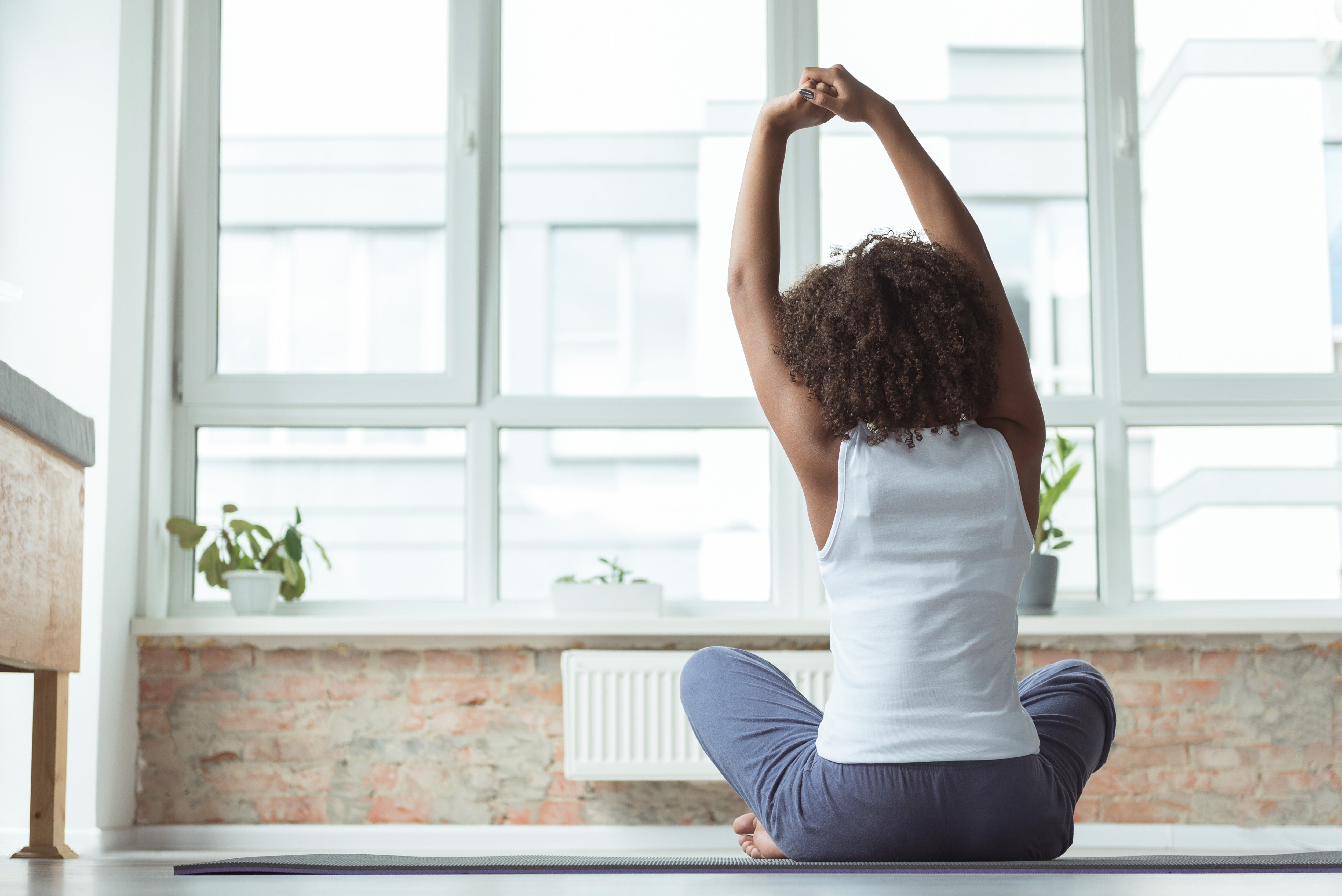 Maintaining mobility ensures you hold on to your physical capacity and independence for as long as possible (Yakobchuk Olena – stock.adobe.com)
Bend and stretch
Move your body as much as possible in as many ways as possible to maintain mobility as you ageThe body works on a rough use it or lose it basis. If you move in varied ways, you maintain more movements. If you stop using certain movements, you can lose access to them over time
We live in a world with shelves to keep our possessions within easy reach, plush sofas to slump into at the end of each day and lifts to render stairs redundant. There is little need to bend over, squat or climb the stairs – and our mobility suffers as a result.
“Mobility is freedom and muscle is the organ of longevity,” says coach and mobility specialist Darren Ellis. “You might not realise you’ve eliminated certain activities as you grew older – you stop sitting in a chair because it is too low, or you stop going up a set of stairs because you can’t do it anymore. Getting that stuff back is huge.”
You can nip this issue in the bud by embracing all movements as often as possible. However, if you have already lost access to certain movements, there are ways to get them back, which I’ve detailed below.
Read more: Sitting all day wreaks havoc on your hips and spine – here’s how to stop that from happening
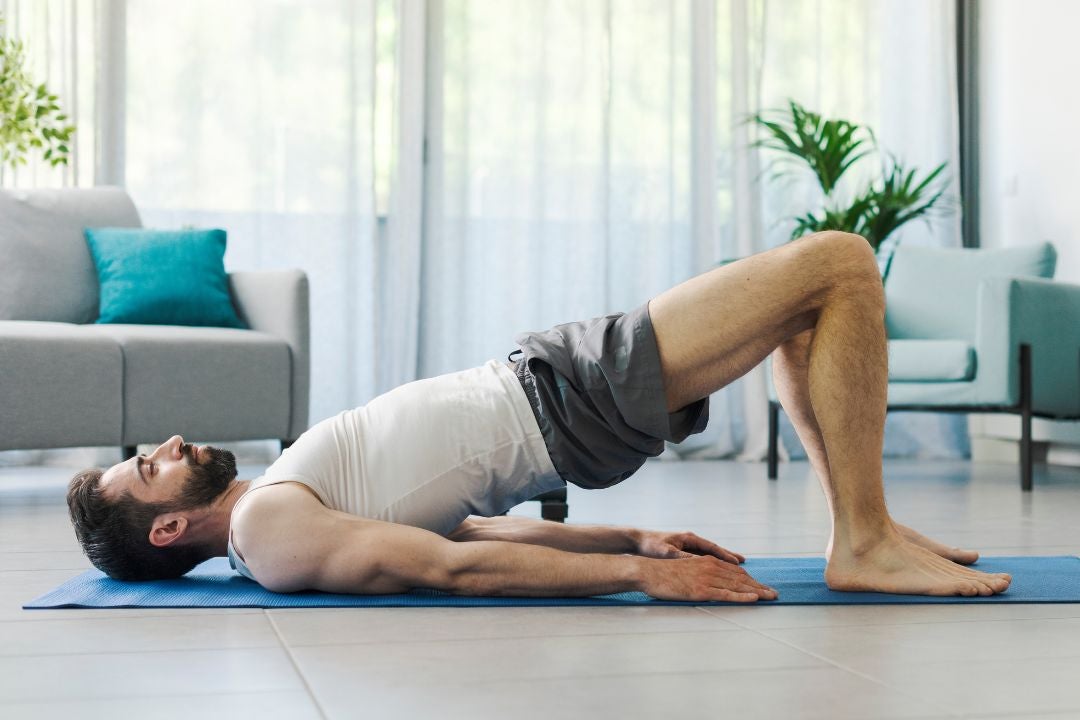 Strength training not only improves muscle strength, bone strength and heart health. It also offers major benefits for your mobility (Getty/iStock)
Do strength training – even simple squats
Commit to two or three 20- to 30-minute full-body strength training sessions per weekStrength training maintains strength and muscle as you age, as well as offering all manner of bonus perks. It is also the best way we know for improving mobility, and maintaining independence as you age
Strength training is one of the only ways to strengthen your bones and muscles, fighting sarcopenia, dynapenia and osteopenia – the age-related decline in muscle mass, strength and bone density, respectively. Doing a 20-minute workout today is one of the best things you can do to maintain physical freedom and independence as you age.
“Strength training is also the most evidence-based way of improving range of motion, flexibility and mobility, by a large standard,” says Dr Andy Galpin, a tenured full professor at Parker University and world-renowned human performance coach. The key here is loading a movement through the widest range of motion your body can access.
Read more: There’s a new golden rule for strength training – expert coaches reveal everything you need to know
Take the simple squat, for example. If you can’t perform a full squat pain-free, you might start by sitting down on a high stool, then standing up again without using your hands for support – lengthening and strengthening the relevant muscles without causing discomfort. When you can do this fairly comfortably, you can increase the range of motion in future sessions by sitting to a chair, then a bench, and finally completing a full squat unaided. Then you could start loading this squat movement with a dumbbell, kettlebell or barbell.
The process is very gradual, but you are increasing the range of motion – or the change in the angle of your knee and hip joints – during the exercise over time, increasing your mobility.
Read more: I am a human performance scientist and these are the best exercises for strength and mobility