
When Montreal Police Chief Fady Dagher first learned of the racial profiling allegations against officers in Montreal North, he says he felt not only betrayed but shocked by the gravity of the alleged conduct.
After an internal investigation confirmed certain elements, Dagher suspended two officers the following day and disbanded their entire 16-person unit.
“I couldn’t believe that in 2026, that kind of behaviour exists. Not only in society, but inside my police department,” Dagher said in an interview with The Gazette on Wednesday. “I felt betrayed, I felt ashamed.”
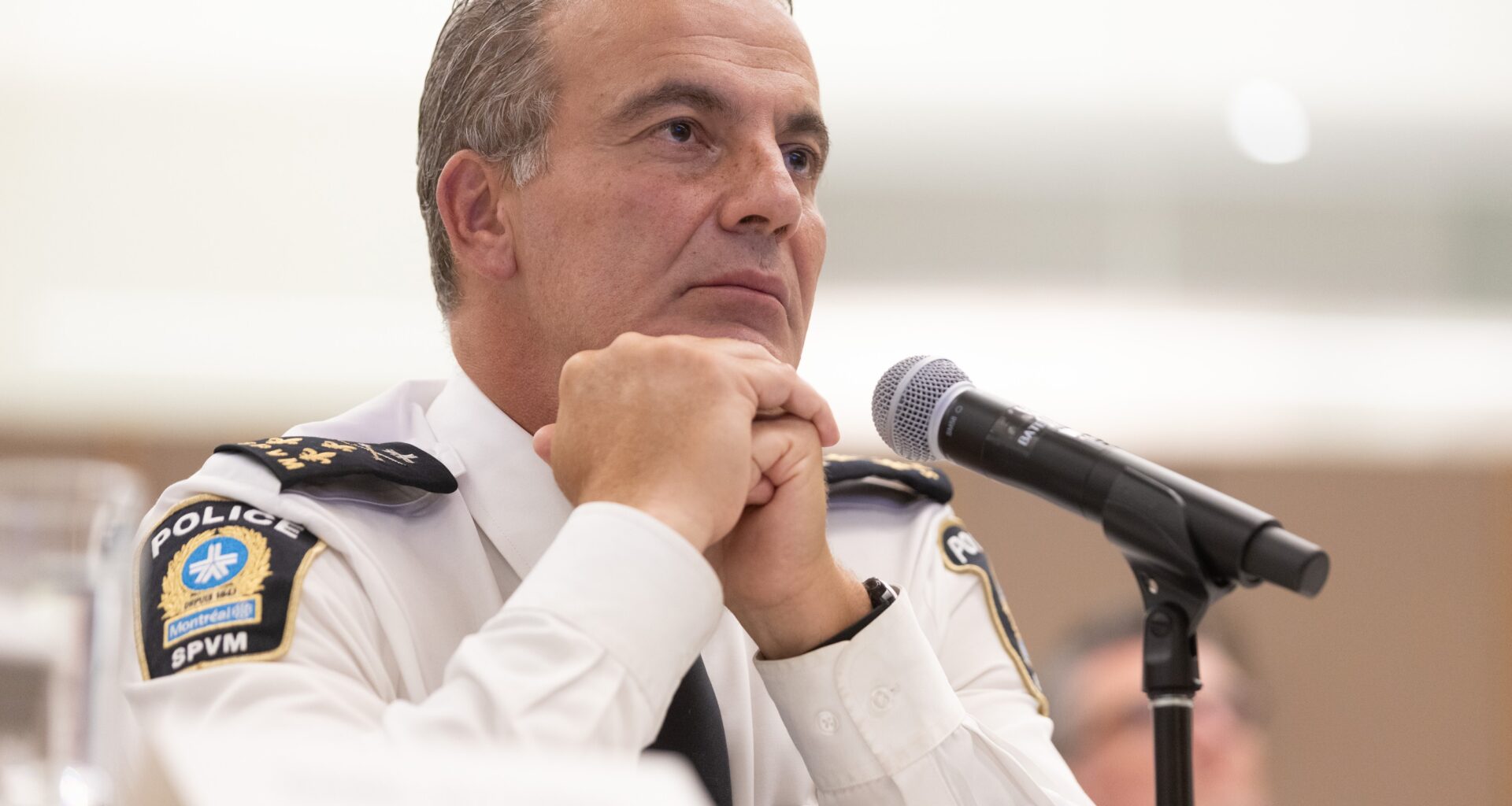
The police chief was speaking the day after he fielded questions from residents during an occasionally tense, four-hour public meeting at city hall Tuesday evening on the profiling allegations.
Dagher first revealed the allegations in June, at a news conference where he announced the department had launched an investigation into a patrol team from Station 39 in Montreal North.
Among the allegations were that members of the unit were singling out Black and Arab men in the community, reportedly taking locks of their hair as trophies after apprehending them. Other officers flagged the conduct internally.
While Dagher wouldn’t comment on specifics, he said two officers were suspended on June 12 over one incident; a third officer was suspended the following week for a separate incident.
The department is still in the process of sending evidence to Quebec’s Crown prosecutors office, which will determine whether criminal charges should be laid.
Dagher pushed back Wednesday against the notion he could have acted sooner on the allegations.
According to a timeline he presented Tuesday evening, elements of the investigation were only confirmed on June 11. The next day, he suspended the first two officers, moved three to administrative duties, and relocated the rest of the unit.
That night, the 16 officers were isolated as they arrived at the station and taken aside individually for meetings in the presence of police union representatives.
“I acted immediately, with no negotiations, and I have no pity for it,” Dagher said.
With the department’s internal investigation still ongoing, Dagher said he is now focused on rebuilding trust with the community. He intends to present an action plan by November, incorporating recommendations from community members.
He also understands it won’t be an easy process. Tuesday evening’s meeting was charged with emotion, as many residents pressed Dagher on why the department has failed to root out racial profiling despite years of evidence.
At one point, a 17-year-old girl from Montreal North told Dagher the police force isn’t welcome in the neighbourhood and accused him of using the scandal to increase police presence in the borough.
Several residents also said they don’t feel he grasps the long-term effects of racial profiling or how deeply the issue is rooted in the city.
“It was tough,” Dagher said of the meeting. “It’s very difficult, because the one thing that you want as a chief and as a police officer is to be able to work with the community. Because without the community, a police department doesn’t have the same legitimacy.”
Dagher said he can’t speak to residents’ personal experiences, but stressed he understands their frustrations and the harm profiling causes.
He said he has come to recognize that he profiled people himself while working as a police officer in the 1990s. Born in Ivory Coast to Lebanese parents, he added, he also experienced the issue from the other side after the Sept. 11 terrorist attacks.
“What I mean is, I’m not a stranger to this kind of sentiment,” he said.
Dagher was sworn in as police chief in early 2023 and is now midway through his mandate at the head of the city’s police department.
Asked what he’s done in the role to address profiling, he pointed to initiatives such as an immersion training program for new recruits — aimed at building community trust — and efforts to recruit more visible minorities.
But he also repeated what he told residents Tuesday evening: He does not believe there is a quick fix to the issue, and the culture change he is trying to instill is a long and difficult process.
“There’s no vaccine against racism,” he said. “It takes time.”
Editor’s Picks