
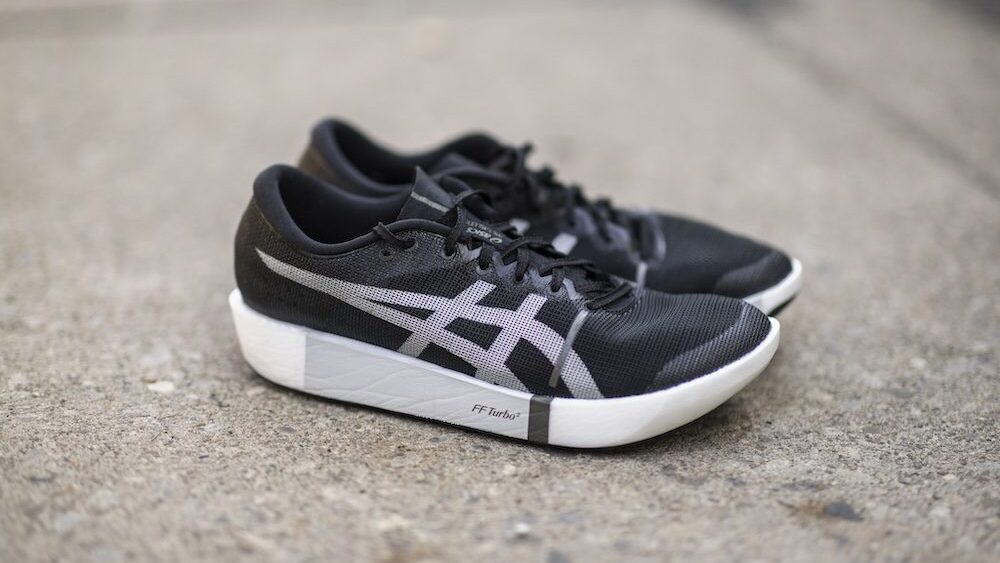
For the past few years, the Meta series from Asics has stood for racing at the highest level–the pinnacle of performance. In 2018-19, when carbon-plated shoes were starting to make headway in elite running, the Asics racing shoes weren’t there yet; the brand hadn’t yet found the right balance of cushioning, speed and weight. But just one year later, the first version of the MetaSpeed Sky and Edge were born. I ran my first marathon in that initial version of the shoe, and I have some great memories of it.
Five years later, the Meta family is expanding again with a new shoe called the Metasleek: a lightweight, nimble, non-plated shoe meant to bring the best of modern technology in the form of a traditional racing flat from before the super-shoe era. Let’s take a closer look at the newest and most advanced old-school racing flat on the market.
Shoe specs
Category: Racing flat
Drop: 8 mm
Stack: 29 mm/21 mm
Weight: 129 g (M9/W10.5)
Available: Aug. 1
Price: $280
Upper
The Metasleek is a lightweight champ. At only 129 grams, every piece of this shoe is optimized to give the runner the lightest possible experience, and the upper is a big part of this. With a very lightweight tongue and Motion Wrap 3.0 upper, this thing feels like a feather on your foot.
Motion Wrap 3.0 is the updated version of the same upper material used in last year’s Metaspeed Sky and Edge shoes. The Metasleek’s upper is even more breathable, with visibly larger holes in the mesh upper that further enhance breathability. The mesh really reminds me of a screen door; you feel every bit of wind and breeze, and that’s on purpose.
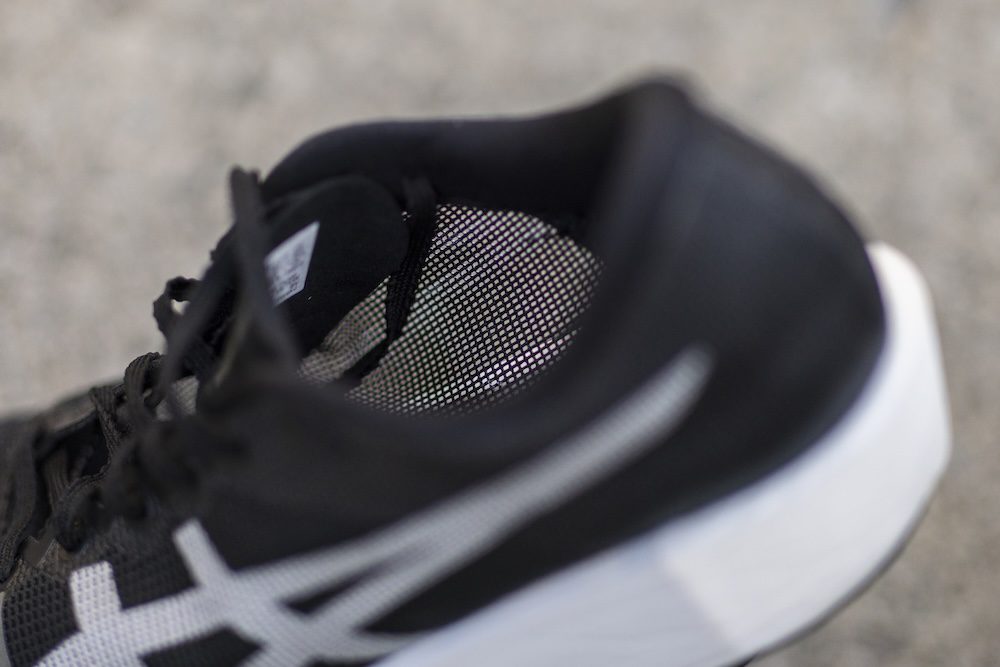 Photo : Nick Iwanyshyn
The shape of the upper is also unique and purposeful. Asics really felt it was necessary to have a training shoe in its lineup that helped consumers build foot strength and encourage strong running form. They wanted to create a shoe that would make their runners even stronger when they leaped back into their MetaSpeed Sky, Edge or Ray on race day, and the shape of the toe box and upper really helps to promote this foot-health angle. The heel and midfoot remain quite similar to other Asics racing models; it’s comfortable, but snug and relatively narrow through this part of the shoe.
The forefoot, however, is quite wide, and the toe box is more squared off than anything else I’ve seen from Asics. This geometry allows your big toe joint to remain straight and push off the ground with full force at the end of the gait cycle. Asics is hoping this extra bit of big-toe room will allow its consumers to use this shoe as a training tool to make their feet and mechanics even stronger. It’s too early to tell if my feet are getting stronger, but I do feel my foot actively pushing off the ground with more force.
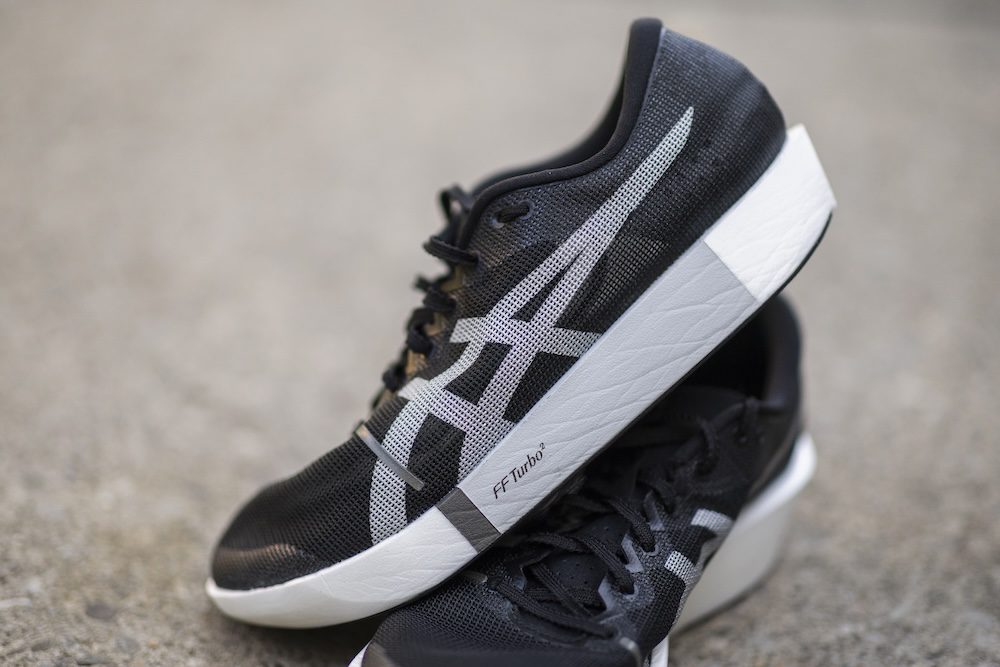 Photo : Nick Iwanyshyn
Midsole
There isn’t much going on in this midsole, but what is there is light, snappy and responsive. Everything about this midsole is crafted for simplicity and speed. The midsole foam is branded with the FF Turbo Squared label, which hypothetically is the same material as in the Asics Megablast, with about half the amount of stack.
But, even while considering the differences in stack height and geometry, the foam still doesn’t feel like the Megablast. In this quantity, the foam doesn’t really feel soft and squishy; it feels fast, firm and snappy. It’s a great lightweight foam, but if you were expecting a similar ride to the Megablast, you might want to look at another shoe.
The shoe is so light largely because of the shorter stack height; if the goal was to emulate the sensation of an old-school racing flat, but with modern tech, then Asics has really nailed it. The shoe is not at all soft, but I still really enjoyed running in it. The control I felt while running was refreshing, as the rest of the shoe market is making shoes softer and higher. This shoe has a significant amount of ground feel, and, while it’s not what I am used to, I really enjoyed doing track workouts and short tempo runs in this shoe.
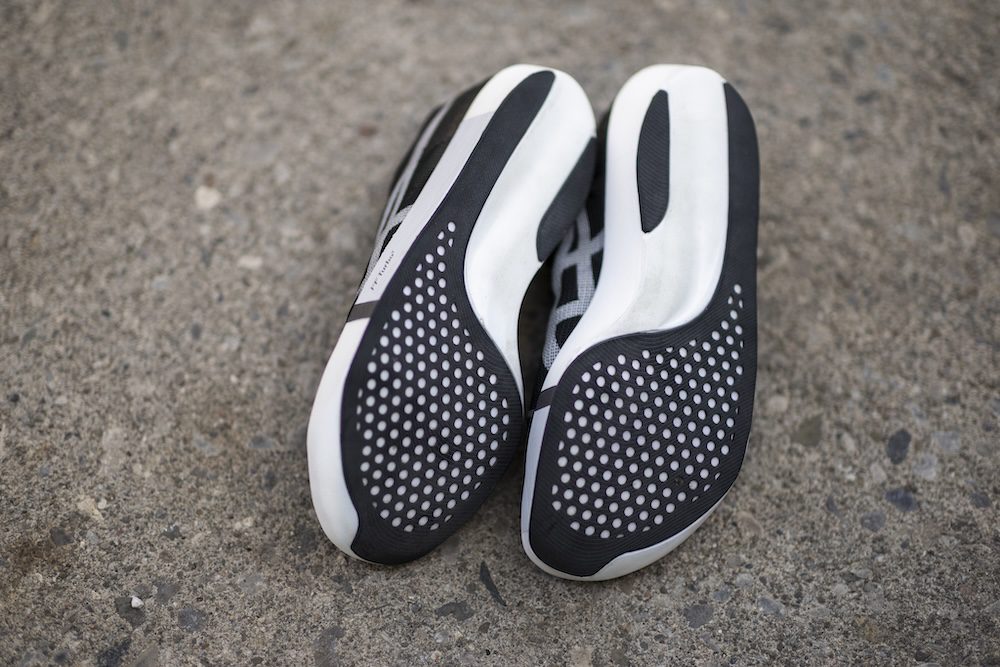 Photo : Nick Iwanyshyn
I can’t help but wonder if there was a better foam compound that could have been used in this shoe; FF Turbo Squared is not the top-tier foam that you find in the MetaSpeed Ray. That’s FF Leap, and that foam might have made this shoe even lighter and softer, and potentially a 5K/10K elite racing option, instead of an expensive speed trainer. At $280, it comes in at just $10 less than the Megablast, despite having half the amount of foam. At that price point, I am disappointed Asics didn’t push the boundaries of their foam technology.
Outsole
Asics is using their traditional Asicsgrip outsole, in a very similar pattern to the other Meta series products. The rubber reminds me of what we found on the Magic Speed 5 earlier this year, and it’s thick enough that we can expect solid durability, despite the shoe’s being so light. I had no issues with traction; I’ve taken it on rubber tracks, road and dirt tracks in my testing, and felt connected and grounded, without fear of slipping at high speeds, even going around corners.
Verdict
The Metasleek is something the running industry has been missing for a while–a modernized version of a traditional racing flat. But for me, this is not really a racing shoe; it’s a training tool created to help runners gain more ground feel, build lower-limb strength and stay in control of their gait.
I think this shoe is going to fit into a very tight niche for many runners; I don’t think it will replace the MetaSpeed Sky/Edge or Ray; in fact, I would take the MetaSpeed Sky for a 5K race over the Metasleek. This shoe will be a great training tool for athletes looking to focus on foot strength, or an option for track athletes looking to do sprint training without the excess weight of other models in the Asics lineup. If you’re a fast runner looking for a track shoe that won’t weigh you down, or you’re a marathoner looking to add strength by training in a low-stack shoe, the Metasleek is a perfect tool for you to level up your training.