
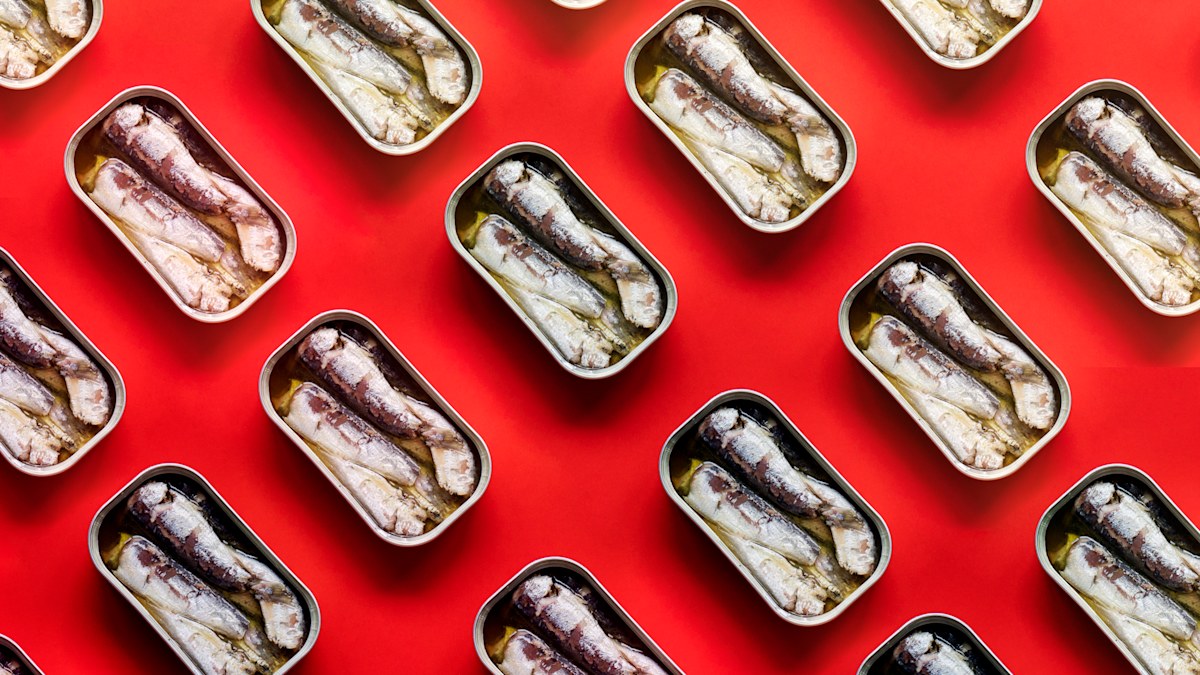
Do they smell great? No. Are they visually pleasing? Not exactly. But this hasn’t stopped sardines from becoming the breakout food star of 2026.
The divisive tinned fish has flown off supermarket shelves, landing on the plates of Aussies looking to eat healthily without blowing the budget. Like so many trends, the ‘sardinemaxxing’ movement (yes, we know, -maxxing is out of hand) has been largely driven by social media.
Love them or loathe them, sardines are having a moment. iStock
TikTok and Instagram are heaving with content creators singing the praises of sardines, urging viewers to “put on their big girl pants” and learn to love the fishy pantry staple. Microtrends like ‘girl dinner’ and ‘sardine girl summer’ have only helped fuel the demand.
If bare supermarket shelves and #sardines videos aren’t evidence enough of this phenomenon, the volume of sardines logged by food tracking app MyFitnessPal’s users in July was more than double that of July 2025.
Yep, sardines are the (tinned) fish du jour, and the appeal is clear. A tin can set you back as little as $1.10, and dietitians Danielle Shine and Erika Hung tell nine.com.au their health credentials are not to be sneezed at.
“Healthy eating doesn’t always need to mean buying something new or expensive. Sometimes the best options have been sitting in the supermarket aisle all along,” Hung says.
What’s so good about sardines, anyway?
Hung says this is a nutrition trend she can “absolutely get behind”.
“We see so many food trends involving expensive powders, supplements or specialty ingredients, so it’s refreshing to see an affordable pantry staple having its moment.”
In terms of health benefits, sardines are famously a good source of protein – this has been one of the driving factors in their boom – and omega-3 fats, including EPA and DHA.
“They also provide nutrients like vitamin B12, vitamin D, potassium and selenium,” Shine says, adding the soft edible bones will give you a hit of calcium: “According to the Australian Dietary Guidelines, 60g of sardines canned in water contains about the same amount of calcium as a serve of milk, yoghurt or cheese.”
Hung says this combination of nutrients can be useful for people who struggle to eat enough oily fish, and those “wanting to support muscle, bone and heart health, especially as they age”.
All aboard the sardine train
So, you’ve been tempted to dip a toe in the (briny) waters of sardinemaxxing. Welcome to the club!
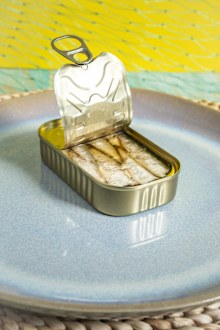
Say hello to the (tinned) fish du jour. iStock
“The best way to incorporate sardines is as part of an overall balanced, nutritious and satisfying meal,” Shine says.
“For example, sardines on wholegrain toast with tomato and avocado, tossed through a salad containing a fibre-rich wholegrain such as barley or quinoa, or added to a wholemeal pasta dish with plenty of vegetables are all great options.
“These combinations provide protein, wholegrain carbohydrates, fibre, unsaturated fats and a wide range of vitamins and minerals.”
Because sardines are already nutrient-dense, Shine says you don’t need to eat them with anything in particular to enhance their benefits.
“From a health perspective, the overall quality, variety and balance of your diet matters most. So, when preparing a meal with sardines, think about what you can add to make the overall meal more balanced,” she adds.
Is there such thing as overdoing it?
“You probably don’t need to eat sardines every day to get the benefits. They’re a fantastic food to include as part of a varied diet, but as with most things in nutrition, more isn’t automatically better,” Hung says.
“One of the benefits of sardines is that they’re small, short-lived fish and are generally a lower mercury seafood choice compared with larger fish. This makes them a useful way to include oily fish and omega 3s in your diet without worrying about mercury levels, which many people are wary of.”
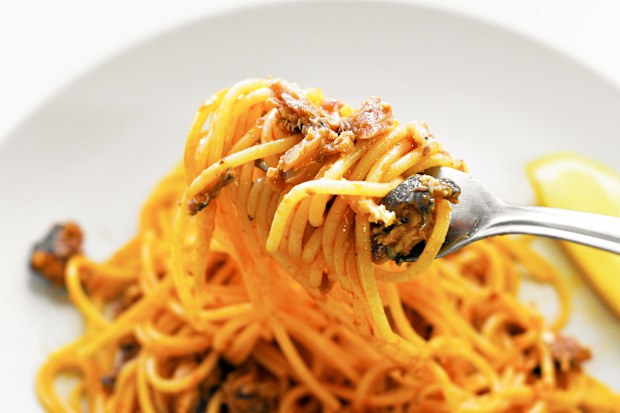
Sardines make a great addition to pasta. iStock
Rather than worrying about how many sardines you need to add to your diet, Hung suggests focusing on variety.
“Sardines can sit alongside other seafood, eggs, legumes, tofu, meat and dairy as part of a varied diet, as these high-protein foods offer other nutrients that aren’t necessarily found in sardines. That way you can feel more sure you’re getting all the nutrients you need,” she says.
There aren’t any particular foods you should avoid eating with sardines, but Shine suggests taking your personal health needs or goals into account.
“If you’re trying to reduce your overall energy (calorie) intake, choosing sardines canned in water or brine rather than oil is one option, because they generally contain fewer calories than sardines canned in oil,” she said.
“If you prefer sardines canned in oil, you may not need to add a large amount of additional oil to your meal.”
Both dietitians advise checking tins for sodium content – compare the per 100g amounts listed on the Nutrition Information Panel – especially if you’re monitoring or trying to reduce your salt intake.
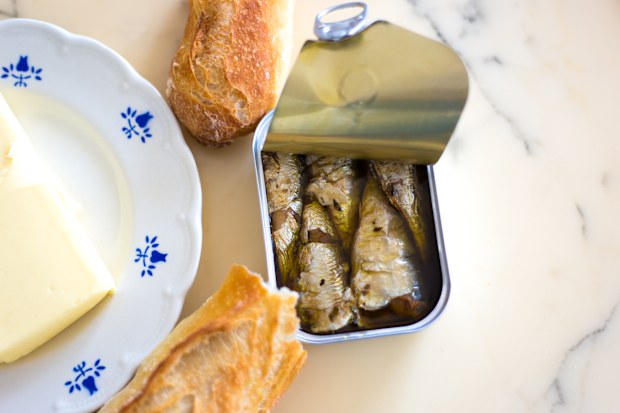
No, you don’t have to scoff sardines straight from the tin if you don’t want to. iStock
“Some varieties, particularly those canned in brine or sauce, can contain more sodium than others,” Shine says.
Hung adds that people with gout or certain medical conditions “may also need individual advice, because sardines are naturally higher in purines”.
Serving suggestions
Don’t worry – you don’t need to start wolfing sardines straight from the tin to get those nutrients into you (unless you like them that way, in which case: go for it!). Like other tinned fish, sardines can be incorporated into a range of dishes.
“Sardines are my go-to on busy days when I don’t have much time to prepare a meal,” Shine said.
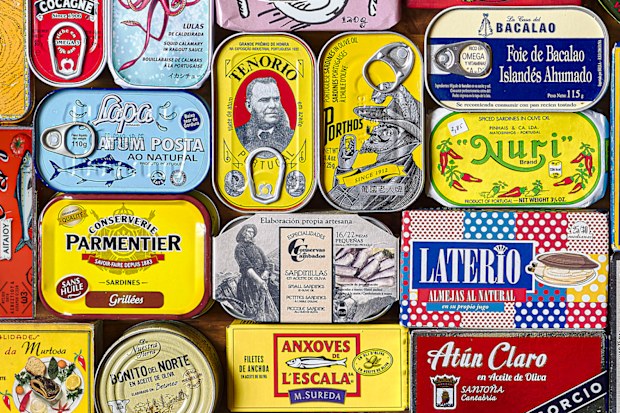
Who would have thought tinned fish could become such a sensation? iStock
“I love them mashed on wholegrain toast with avocado (or ricotta when avocado is pricey), sliced tomato, red onion, a squeeze of lemon juice and some cracked pepper.
“I also like to crush them up and add them to wholemeal or lentil-based pasta, with plenty of vegetables incorporated into the sauce. If I’m particularly time-poor, I’ll use a ready-made tomato-based pasta sauce that contains added vegetables.”
Hung also suggests sardines on bread or toast as a delicious way to eat them: “One of my favourites that I found popular among my own clients is sardines on sourdough with avocado, plenty of lemon, chilli and fresh herbs.”
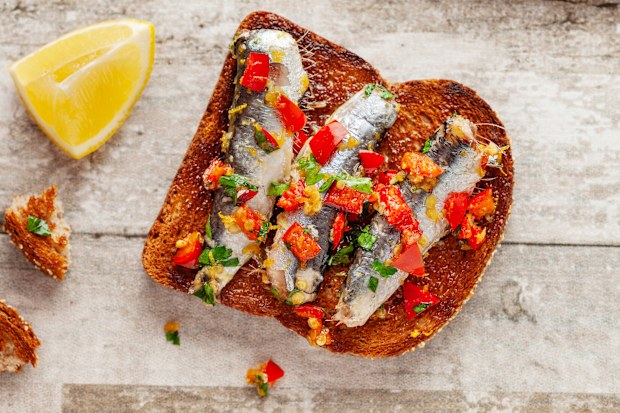
Sardines on toast are a popular option, but rest assured, there are ways to eat them that dilute their strong taste. iStock
“They’re also delicious tossed through pasta with garlic, lemon, capers and cherry tomatoes, or added to a Mediterranean-style salad with tomato, cucumber, olives and beans,” she adds.
Now, about that infamous fishy flavour. If you’re wanting to get on board with sardines but can’t get past the ‘cat food’ vibe, rest assured, there are ways to make it a little less… distinctive.
“I’d start by using a smaller amount in a familiar dish, like fish patties, and pair them with punchy flavours like lemon, chilli, tomato or fresh herbs,” Hung says.