
Between August 2021 and August 2023, 62.6% of youth consumed caffeine on a given day.

The top five sources of caffeine consumed by youth included both food and beverage items, including sweet bakery products and soda, according to data released in July from the Centers for Disease Control and Prevention.
Caffeine consumption in youth can disrupt sleep patterns and habits, increase levels of added sugar and affect growing cardiovascular systems.
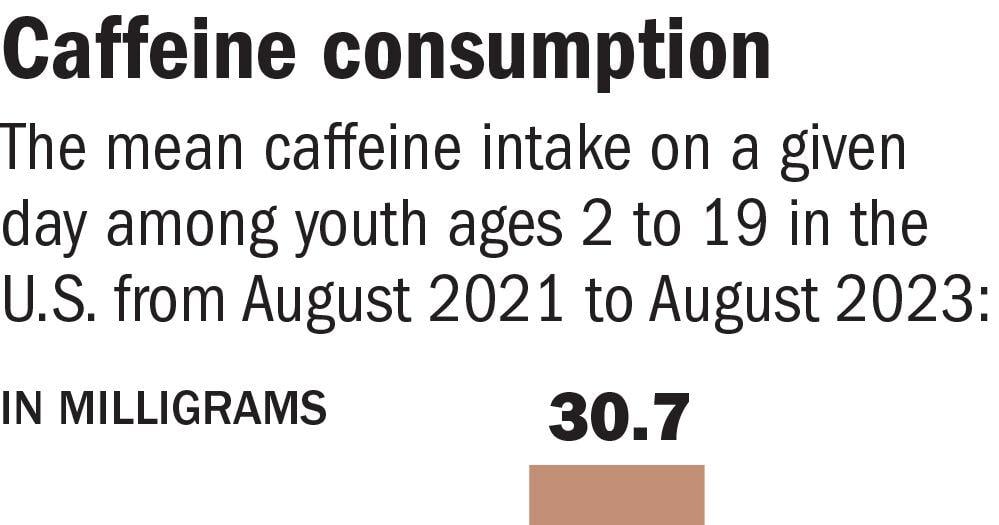
On average, American children consumed 19.4 mg of caffeine on a given day, with the mean intakes increasing with age: 5 mg for ages 2 to 5; 12 mg for ages 6 to 11; and 30.7 mg for ages 12 to 19, according to CDC data.
Caffeinated products are increasingly available to youth while guidelines for safe levels of caffeine intake are based on adults. The American Academy of Pediatrics discourages caffeine consumption for kids. However, Canada does have some basic guidelines. They recommend the following daily limits on caffeine:
Ages 4 to 6: 45 mg, about a half cup of coffee;
Ages 7 to 9: 62.5 mg;
Ages 10 to 12: 85 mg;
and adolescents: 85 to 100 mg.
The top sources of caffeine consumed by youth varied by age group.
For children ages 2 to 11, sweet bakery products were the top sources of caffeine at 28.1% of total caffeine intake, followed by flavored milk (17.4%), candy (16.3%), soda (11.7%) and tea (9.6%).
Among youth ages 12 to 19, soda (20.3%) and sweet bakery products (19.1%) were the top sources of caffeine, followed by tea (14.6%), coffee (14.0%) and candy (10.7%).