

Listen to this article
Estimated 4 minutes
The audio version of this article is generated by AI-based technology. Mispronunciations can occur. We are working with our partners to continually review and improve the results.
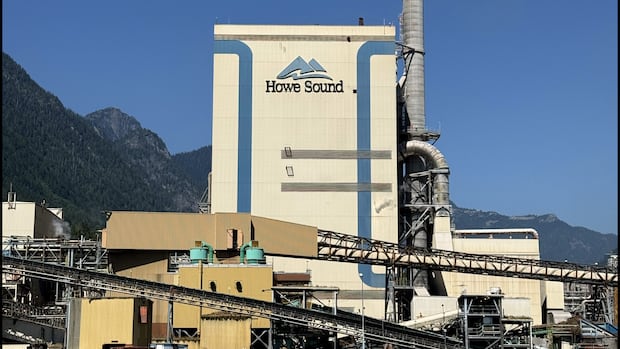
A day after Canada’s largest forestry company announced plans to stop work at a pulp and paper mill on British Columbia’s Sunshine Coast, community members say they are still reeling.
“The mood is pretty sombre right now. It’s a feeling of shock,” tugboat captain Andrew Appleton said.
“Next to somebody dying, this is probably the worst news I’ve ever had.”
Appleton is among about 400 workers who learned Thursday that they would lose their jobs at the Port Mellon facility.
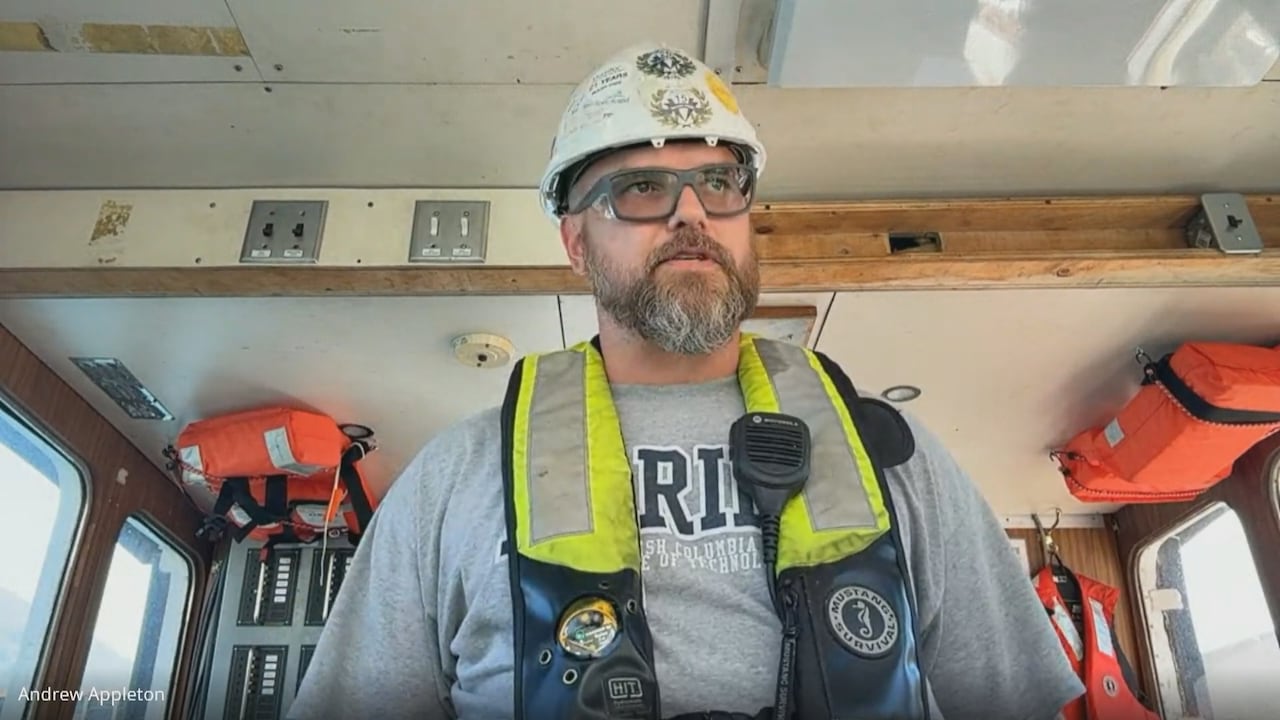 Tugboat captain Andrew Appleton has worked at the Port Mellon mill for 22 years. (CBC News)
“The reaction here has been shock all throughout the community, that’s all up and down the Sunshine Coast, and there’s a lot of uneasiness as well,” said Gibsons Mayor Silas White.
“The impact trickles out to other forestry operations on the Sunshine Coast that are directly connected to the mill manufacturing businesses … all the way to restaurants to grocery stores.”
The mill’s owner, forestry giant Domtar — formerly known as Paper Excellence — described the closure as “indefinite idling.”
WATCH | Prince George pulp mill closure leaves community reeling: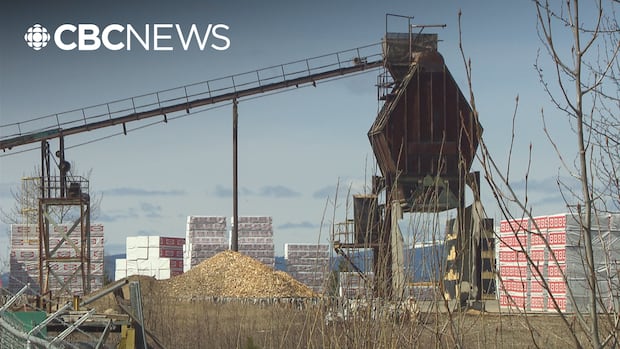
Workers devastated as Canfor closes another mill in Prince George
The company said the mill’s equipment would be kept in a state that allows it to be restarted, but declined further comment.
“We don’t like to see vagueness in words — there’s idling, there’s curtailments, there’s potential closures, scaledowns, closures of a line, there’s a lot of things,” Unifor western regional director Gavin McGarrigle said.
“All of it adds up to bad news for the workers and the community and for the future of forestry in this province.”
String of closures
Domtar has blamed the idling on low global pulp prices, reduced Asian demand and a shortage of affordable fibre.
The company gave similar reasons in December 2025 when it shuttered its pulp mill in Crofton, leaving 350 people out of work.
The Crofton and Howe Sound mills are two of seven that Domtar has acquired in B.C. since 2010, along with facilities in Mackenzie, Powell River, Chetwynd, Port Alberni and the East Kootenay.
All but the final two in that list have since shut down.
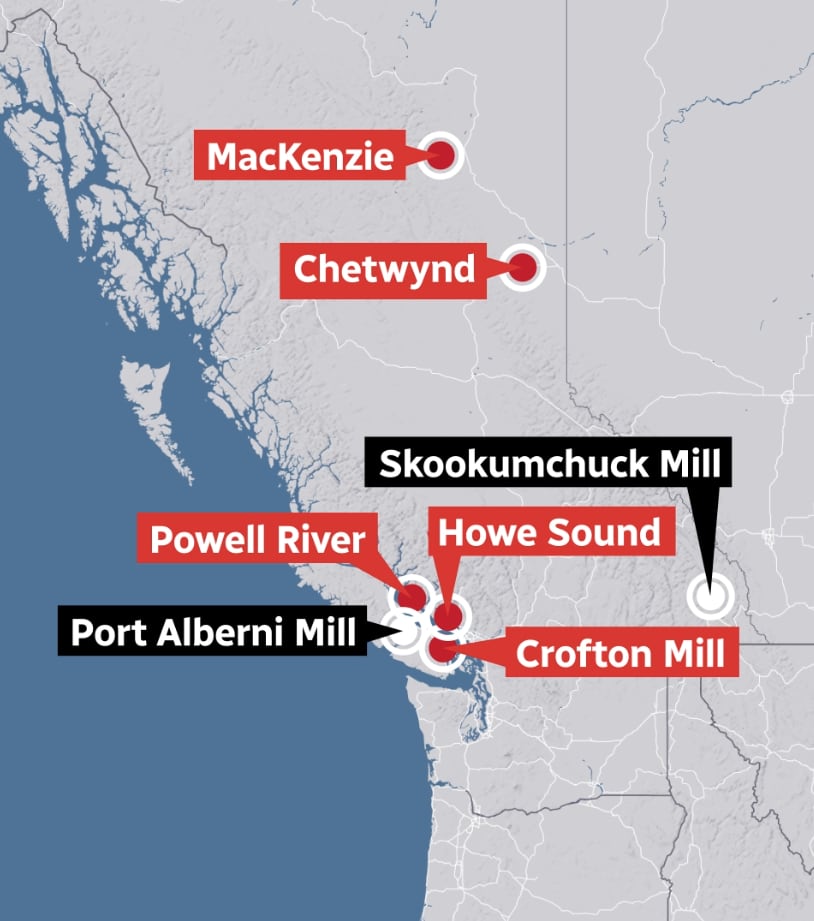 A map showing mills Domtar has acquired in B.C. since 2010. Mills labelled in red have since shut down. (CBC News)
A Greenpeace report found Domtar and its subsidiaries received at least $200 million in provincial and federal funding across the country between 2020 and 2024.
Public records show the company received over $50 million from the B.C. government since 2019, a figure the province confirmed.
At least $1.4 million of that provincial funding went directly to the Howe Sound mill, and more than $17 million went to the Crofton mill.
The company has also received significant federal contributions, including $14.3 million in 2023, to restart the Crofton mill.
“I want to be very clear, we have provided a considerable amount of support to Domtar in its facilities over the last number of years, and many of the pulp facilities,” B.C. Forests Minister Ravi Parmar said.
“The commitment that I’m looking for from Domtar is to maintain their operations in British Columbia and to make investments.”
 B.C. Forests Minister Ravi Parmar says the province has provided a ‘considerable amount of support’ to Domtar over the years. (CBC News)
Unifor is calling for urgent action, warning that B.C.’s forestry sector is on the verge of collapse.
It is calling for governments to adopt the recommendations of the Canadian Forest Sector Transformation Task Force before year’s end.
Those recommendations include improving market access and access to cost-competitive fibre, modernization and boosting wood construction.
“How many workers are going to have to keep losing their jobs before something serious is done?” said McGarrigle.
“Hopes and prayers don’t cut it.”
According to the B.C. Council of Forest Industries, at least 21 B.C. lumber mills have permanently closed since 2023, while four pulp mills have closed or curtailed in the last nine months.
The group says the province has lost more than 15,000 forestry jobs since 2022.