
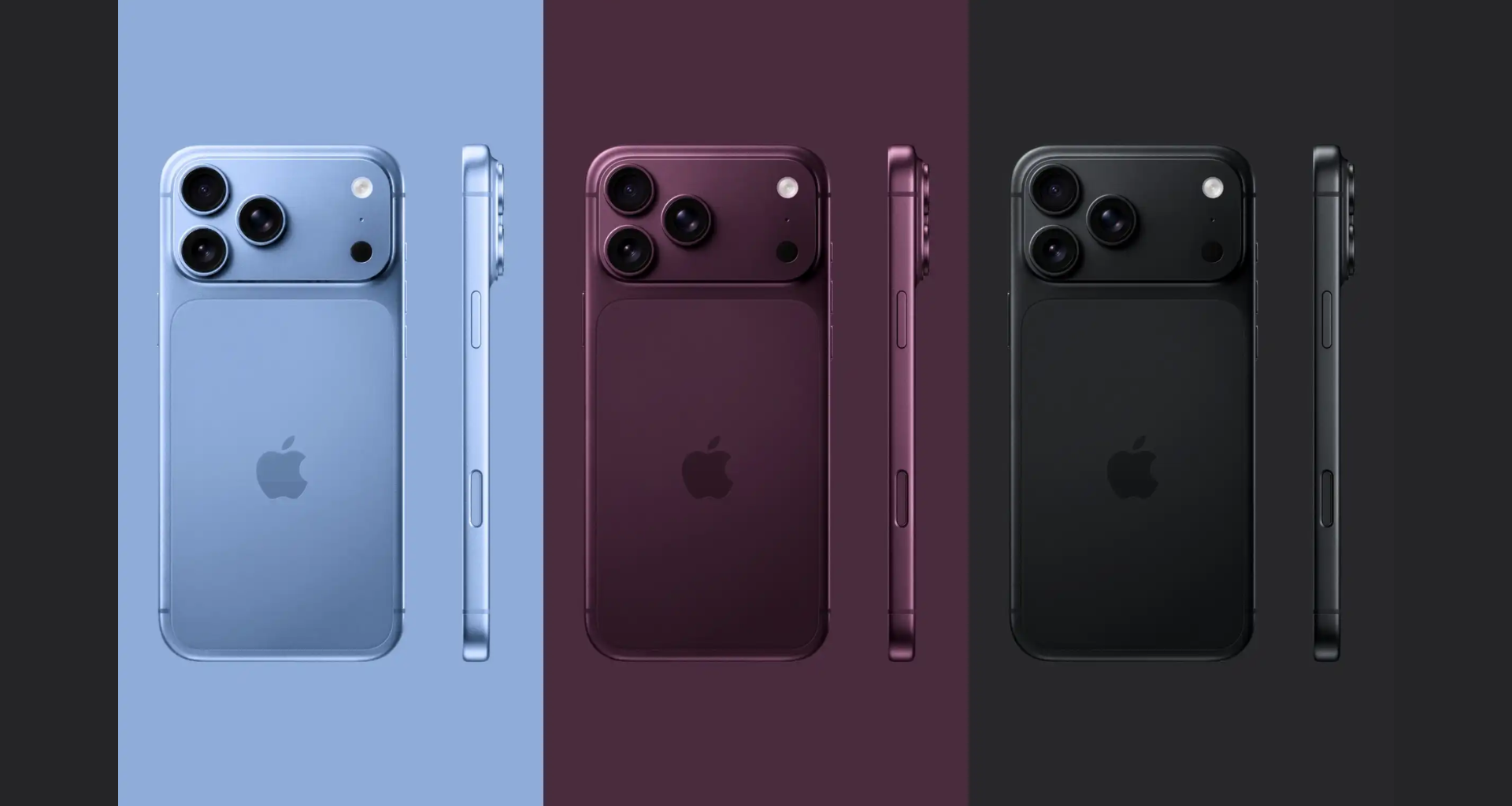
Apple is reportedly preparing to raise the price of its next iPhone Pro models, potentially joining Samsung and Google in passing higher component costs on to consumers.
According to Bloomberg’s Mark Gurman, the iPhone 18 Pro and iPhone 18 Pro Max could cost more when Apple unveils its next generation of smartphones in September.
A $100 increase would push the starting price of the iPhone 18 Pro to $1,199 in the US, up from $1,099 for its predecessor. Apple has not confirmed its pricing plans.
Memory and storage costs appear to be a major factor. Demand from AI data centres is putting pressure on the supply of components that also end up in consumer devices, leaving phone makers to deal with tighter availability and higher prices.
Apple has already increased prices across some Macs and iPads, suggesting the iPhone may not remain insulated from the same pressure.
Samsung and Google have already moved in that direction, raising prices on some of their latest flagship phones by roughly $100. Reports suggest Apple has been watching how consumers responded, and a similar increase would keep its premium devices broadly in line with competing flagships.
How much Apple eventually adds to the price will depend on how much of the higher component costs it is prepared to absorb. Earlier reports and analyst estimates had pointed to increases of between $200 and $300 for the iPhone 18 Pro, driven by rising costs for memory, storage and other components.
Gurman’s latest report suggests a smaller increase may be under consideration, although the final price won’t be known until Apple announces the phones.
The rapid expansion of AI infrastructure is beginning to affect the supply chain for consumer hardware. Companies building and expanding data centres need huge amounts of memory and storage, and they are competing for some of the same components used in smartphones, laptops and tablets.
That leaves manufacturers with an increasingly familiar choice: absorb the additional cost or pass part of it on to customers.
Apple’s size has helped it absorb supply-chain pressure before. That may not be enough this time. The iPhone remains the company’s most important consumer product, which makes any price increase a delicate decision. Push prices too high and Apple risks weakening demand. Absorb too much and the pressure shows up elsewhere.
A $100 increase would not dramatically change the iPhone’s position in the premium smartphone market. But it could signal something more important.
The AI spending boom has largely been discussed in terms of data centres, chips and corporate technology budgets.
A more expensive iPhone would be a much more visible consequence. The cost of building the infrastructure behind AI may now be starting to reach the devices people buy for themselves.
Don’t miss important articles during the week. Subscribe to Techbuild weekly digest for updates