
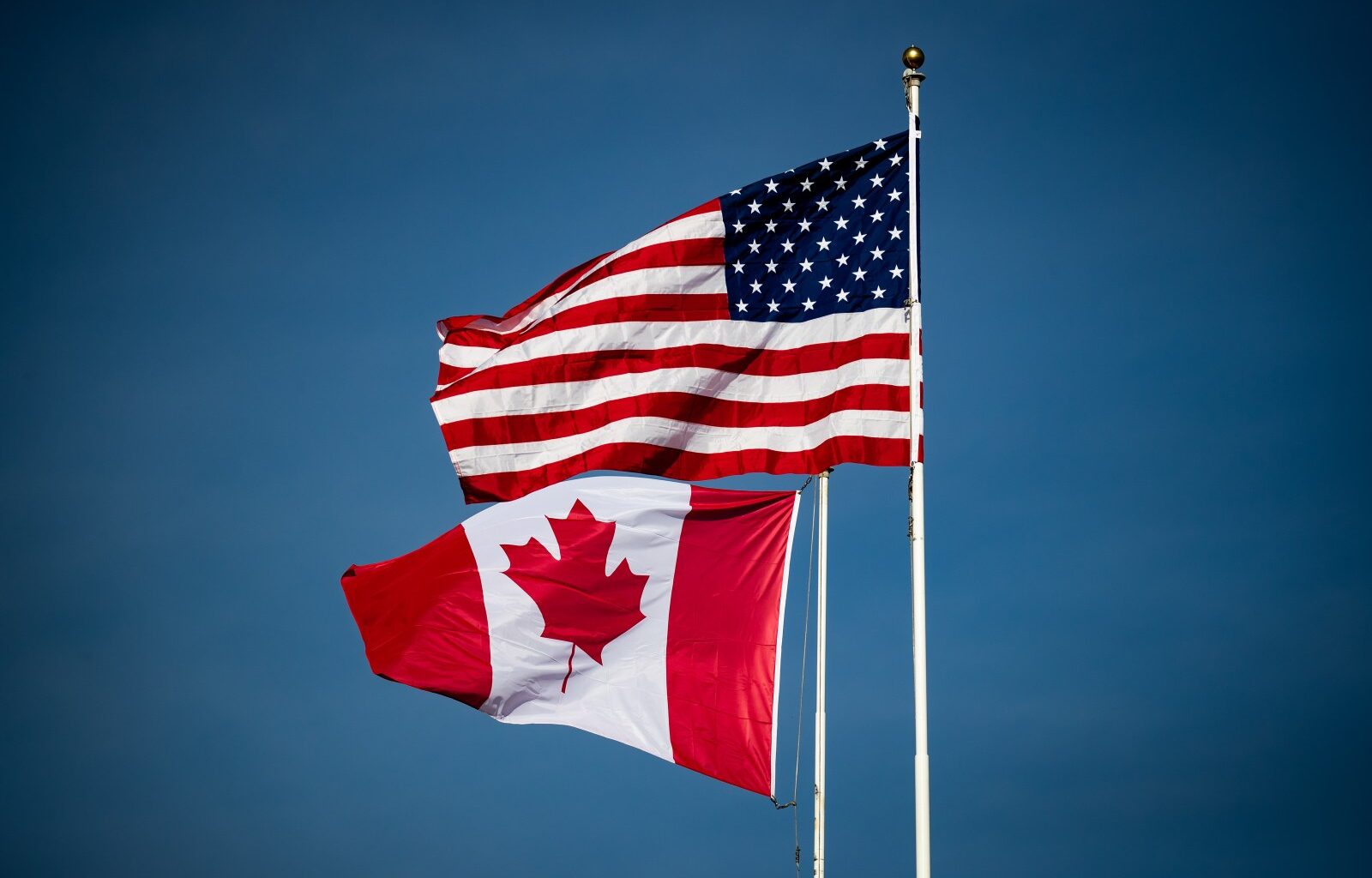
Is there anything or anyone that can help Canada and the United States avoid an unprecedented trade war?
Both nations stand poised on the precipice of a tariff battle that could — in the worst-case scenario — trigger an economic downturn. Both countries have a lot to lose, but neither country is showing any sign of backing down.
Canadian Prime Minister Mark Carney has, by all accounts, given negotiation a full chance to defuse the trade war. It didn’t work and it appears now that nothing — neither thoughtful negotiation or retaliatory measures — will dissuade U.S. President Donald Trump from his war of trade attrition.

PATRICK DOYLE / THE CANADIAN PRESS
Minister Mark Carney walked away from trade talks after it was clear the deal being offered was an attack on Canadian sovereignty.
Increasingly, it appears that if Trump is going to back away from punitive tariffs against Canada, it will be because of mounting pressure from within the United States and not because of tough talk and countermeasures from this side of the border.
That is not an argument for avoiding the fight.
Carney walked away from trade talks after it was clear the deal being offered was an attack on Canadian sovereignty.
It was a shameless and thinly veiled strategy: threaten tariffs of 50-per-cent on some of Canada’s most important exports and then back them into lower, but permanent, tariffs that would still cripple certain industries and possibly drive some companies to the U.S. just to survive.
It seems clear now that the only thing that could possibly moderate Trump’s aggressive trade policy is domestic political pressure. And that pressure is building at a critical moment in the American political calendar.
Unsurprisingly, political criticism of the tariffs has largely come from Democratic party governors and members of Congress. Earlier this month, 25 Democratic-controlled states joined a lawsuit to block tariffs affecting dozens of trading nations.
For those Republicans, the consequences of tariffs are beginning to materialize into an existential electoral threat.
At the same time, fewer Republican opinion leaders are willing to publicly defend the tariffs, or acknowledge that the tariffs are driving inflation. Even though leading Republicans are careful not to criticize Trump directly, they are finding less and less time to defend him.
For those Republicans, the consequences of tariffs are beginning to materialize into an existential electoral threat.
Heading into this fall’s midterm elections — where it appears the Republicans may, at minimum, lose control of the House of Representatives — Democrats are increasingly referencing the “Trump Tariff Tax” in their attacks on the president’s trade policy, making it clear to voters that persistent high inflation is, in part, being driven by the tariffs.
How is this landing among the electorate? Voters still appear to be following party lines, although that is changing, as well.
Republican voters are more likely to support Trump’s tariff policy. However, most polls show that as many as seven in 10 Americans do not like tariffs and, in particular, their contribution to inflation. That would suggest that many moderate Republicans and independents are growing weary of Trump’s bully trade policies.
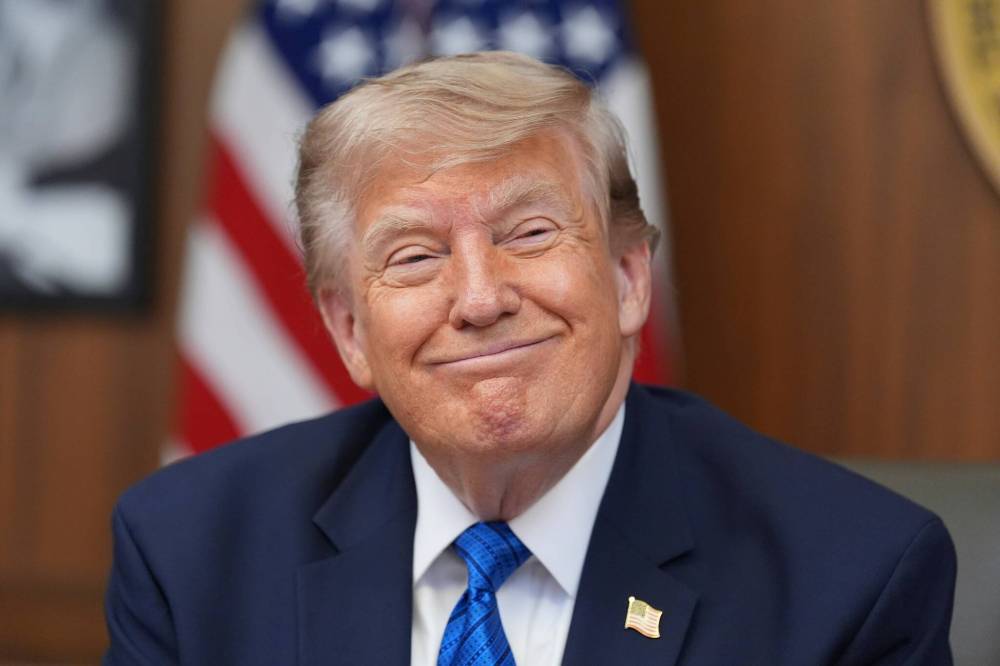
THE ASSOCIATED PRESS FILES
It seems clear now that the only thing that could possibly moderate U.S. President Donald Trump’s aggressive trade policy is domestic political pressure, writes columnist Dan Lett.
Put it all together — a souring among voters and the unwillingness of top Republicans to defend the tariffs — and you have a perfect storm of domestic discontent that could eventually prompt Trump to change tack on trade.
We have seen this phenomenon at work on other files, most notably the mess he created when he tried to back away from his promise to release the police files on the investigation of disgraced pedophile and financier Jeffrey Epstein.
Trump had promised to released the full investigatory files but then delayed and, ultimately, attempted to defer. Republicans rose up and forced the White House to release the files. Trump has not tried to portray this release as his personal political victory, even though others realize it was a horrible political setback.
Can Canada afford to wait until political pressure triggers a course correction in Trump’s trade policies?
At this point, Canada cannot afford not to dig in, go to war with Trump and hope that he finds inspiration in Republican midterm losses to ease back on his tariff policy.
To this point, no one has been able to curb his lust to inflict economic harm on trading partners.
Since returning to power in 2025, Trump has unilaterally applied tariffs that violate the Canada-U.S.-Mexico continental trade treaty that he claimed were necessary to combat national security threats and unfair trade policies.
This most recent round of negotiations confirmed that for Trump, there will never be enough.
Many of those initial tariffs were struck down by the U.S. Supreme Court but the Trump administration found workarounds by exploiting old and rarely used legislation, and by continuing to manufacture fake narratives about security threats and unfair trade practices in other nations.
Most recently, and largely out of nowhere, Trump announced a 50-per-cent tariff on $20 billion worth of steel, aluminum, Canadian-made automobiles and a broad and rather indiscriminate group of products ranging from makeup to cement, marine buoys, dog muzzles and hockey sticks.
In negotiations on those tariffs, U.S. negotiators waded into non-trade issues, including bilingual labelling on consumer packaged goods and levies on streaming services to support Canadian television and film production.
This most recent round of negotiations confirmed that for Trump, there will never be enough.
Canada has to fight back and hold firm. At least until the political rug in Washington gets pulled out from underneath Trump’s increasingly unsteady feet.
dan.lett@freepress.mb.ca

Dan Lett is a columnist for the Free Press, providing opinion and commentary on politics in Winnipeg and beyond. Born and raised in Toronto, Dan joined the Free Press in 1986. Read more about Dan.
Dan’s columns are built on facts and reactions, but offer his personal views through arguments and analysis. The Free Press’ editing team reviews Dan’s columns before they are posted online or published in print — part of the our tradition, since 1872, of producing reliable independent journalism. Read more about Free Press’s history and mandate, and learn how our newsroom operates.
Our newsroom depends on a growing audience of readers to power our journalism. If you are not a paid reader, please consider becoming a subscriber.
Our newsroom depends on its audience of readers to power our journalism. Thank you for your support.