
1982 Wells Gray Park murderer denied parole again
Published 5:18 pm Monday, August 24, 2026
The B.C. man who killed six members of a vacationing family in 1982 has once again been denied parole.
David Ennis, formerly David Shearing, was denied full parole for the fourth time by the Parole Board of Canada. The decision was made on Aug. 19 and stated that Ennis’ risk of reoffending remains elevated.
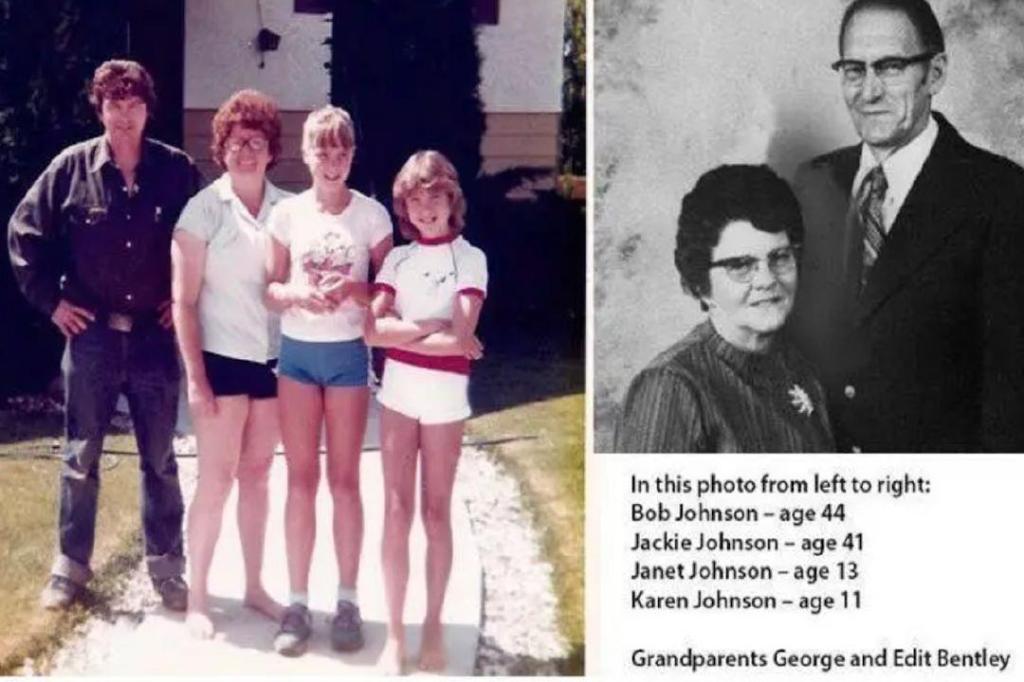
Ennis is serving a life sentence for six counts of second-degree murder for the killing of West Kelowna residents Bob and Jackie Johnson, their daughters Janet, 13, and Karen, 11, and Jackie’s parents, George and Edith Bentley in August 1982.
The killer watched the family for several days while the Johnsons and Bentleys were camping at Wells Gray Provincial Park before entering the campsite and fatally shooting all four adults. Ennis then held the children for multiple days, sexually assaulting the eldest daughter, before he killed both girls. In an attempt to conceal evidence, Ennis lit the family’s vehicle on fire with all six bodies inside.
In March, the killer waived his right to a hearing, and the parole board completed a legislative review in which the request for parole was denied.
The Parole Board of Canada wrote in the decision that Ennis had undergone a Psychological Risk Assessment in June 2026 in which the convict stated he no longer experienced violent sexual fantasies, but did still “fantasize about sexual role playing with dominant themes in which there is no violence or physical harm.” The report also states Ennis admitted that had he not been caught for these murders, it was likely he would have committed a crime of a similar nature in time.
The psychology report noted that Ennis’ risk of recidivism for sexual violence was low for escorted temporary absences, low to medium for unescorted temporary absences and moderate for full parole.
“They also noted that in the event you were to commit another sexual offence, it could result in death or serious harm and that your risk will never be completely eliminated,” the decision read to Ennis.
Ennis’ possibility of reintegrating into society was also found to be low. Despite stating he wanted to live near his wife and that she and two friends were confirmed to be positive supports, Ennis failed to provide confirmed employment or accommodation for release and a community strategy was not submitted.
The board denied parole, stating it is their “opinion that [Ennis] would, by reoffending, present an undue risk to society if released on full parole and that your release would not contribute to the protection of society by facilitating your reintegration into society as a law-abiding citizen.”