

Listen to this article
Estimated 2 minutes
The audio version of this article is generated by AI-based technology. Mispronunciations can occur. We are working with our partners to continually review and improve the results.
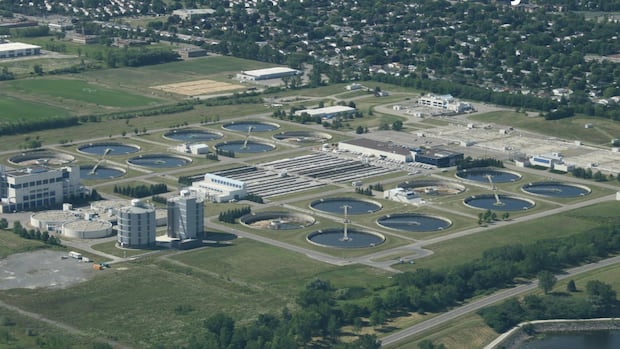
Ottawa’s main wastewater treatment plant is getting a long-awaited upgrade to its electrical system with the announcement this week of new federal funding.
On Monday, the federal government announced it’s providing $30,560,000 toward a project to increase the reliability of the Robert O. Pickard Environmental Centre, known locally as ROPEC.
The facility in Ottawa’s east end treats wastewater before pumping it back into the Ottawa River.
The planned electrical upgrade includes doubling co-generation capacity, which is the process of using gas from wastewater to power and heat the plant.
The project will also add a backup diesel generation station to help in the event of a power outage.
The current systems pose some problems during an outage, said Steven Courtland, manager of design and construction of water facilities for the City of Ottawa. He said during power outages, the facility currently must rely on “base electricity.”
“We’re still moving sewage through, but at the 24 hour point the quality of that effluent from the plant seriously degrades,” he said.
The upgrades will allow the facility to continue operating without interruption, Courtland said.
“So when we have these extended power outages that you see hitting the neighborhoods, we won’t be affected.”
The enhancements will also help prepare the facility for “future upgrades or plant expansions necessary to support the city’s growing community,” the federal government said in a news release Monday.
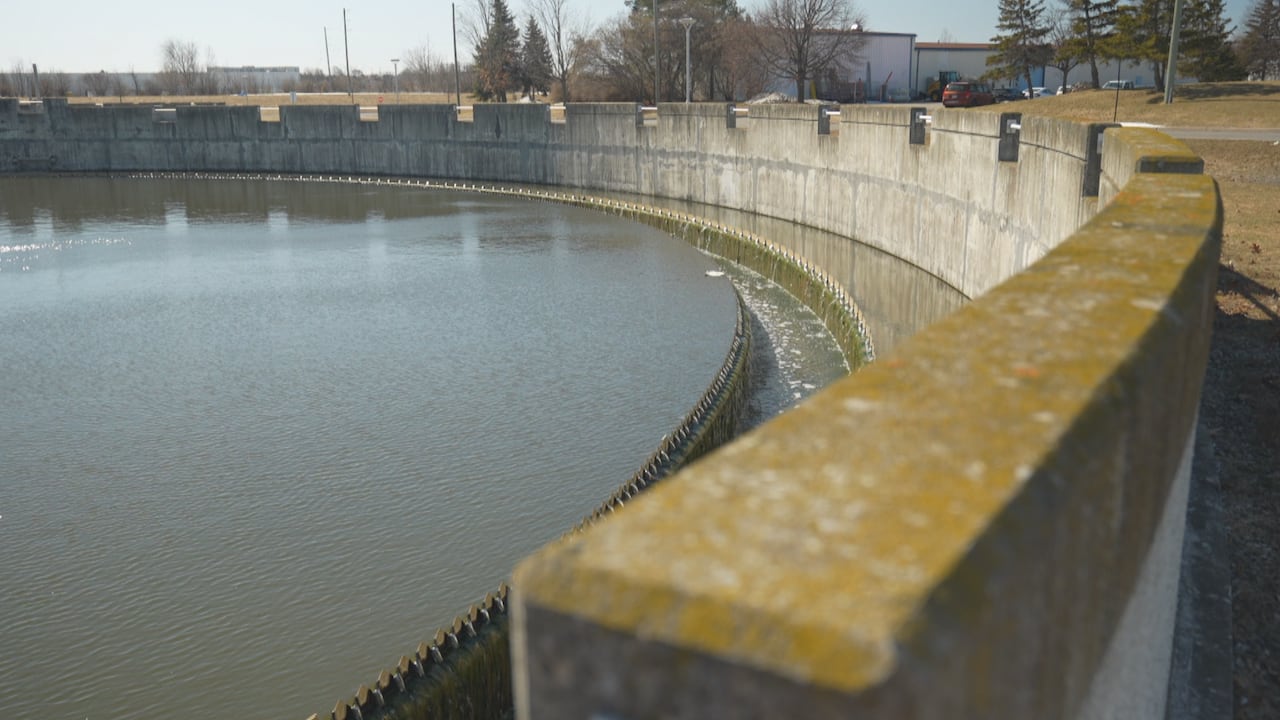 The new enhancements to the Robert O. Pickard Environmental Centre are expected to provide sufficient power to operate all sewage treatment processes during extended power outages. (CBC News)
The upgrades will also make one of the city’s most essential utilities more resilient to the effects of climate change, Mayor Mark Sutcliffe said Monday.
“We’re seeing more of these extreme weather events,” he said. “We need to make sure that our infrastructure is robust and resilient.”
The federal funding comes from the direct delivery stream of the Build Communities Strong Fund, according to the federal government.
The fund is investing $51 billion into infrastructure projects across Canada, covering a wide range of areas including housing, sports, education, health, transit and climate adaptation.
The backup diesel generation station will be online in 2029 and the new co-generation facility is slated for 2031, Courtland said.