
Beef liver and chicken liver are some of the richest dietary sources of vitamin A.
Vegetables such as carrots and spinach also provide high amounts of vitamin A through carotenoids.
Excess intake of pre-formed vitamin A from animal sources or supplements can lead to toxicity, so moderation is essential—especially for people who are pregnant.
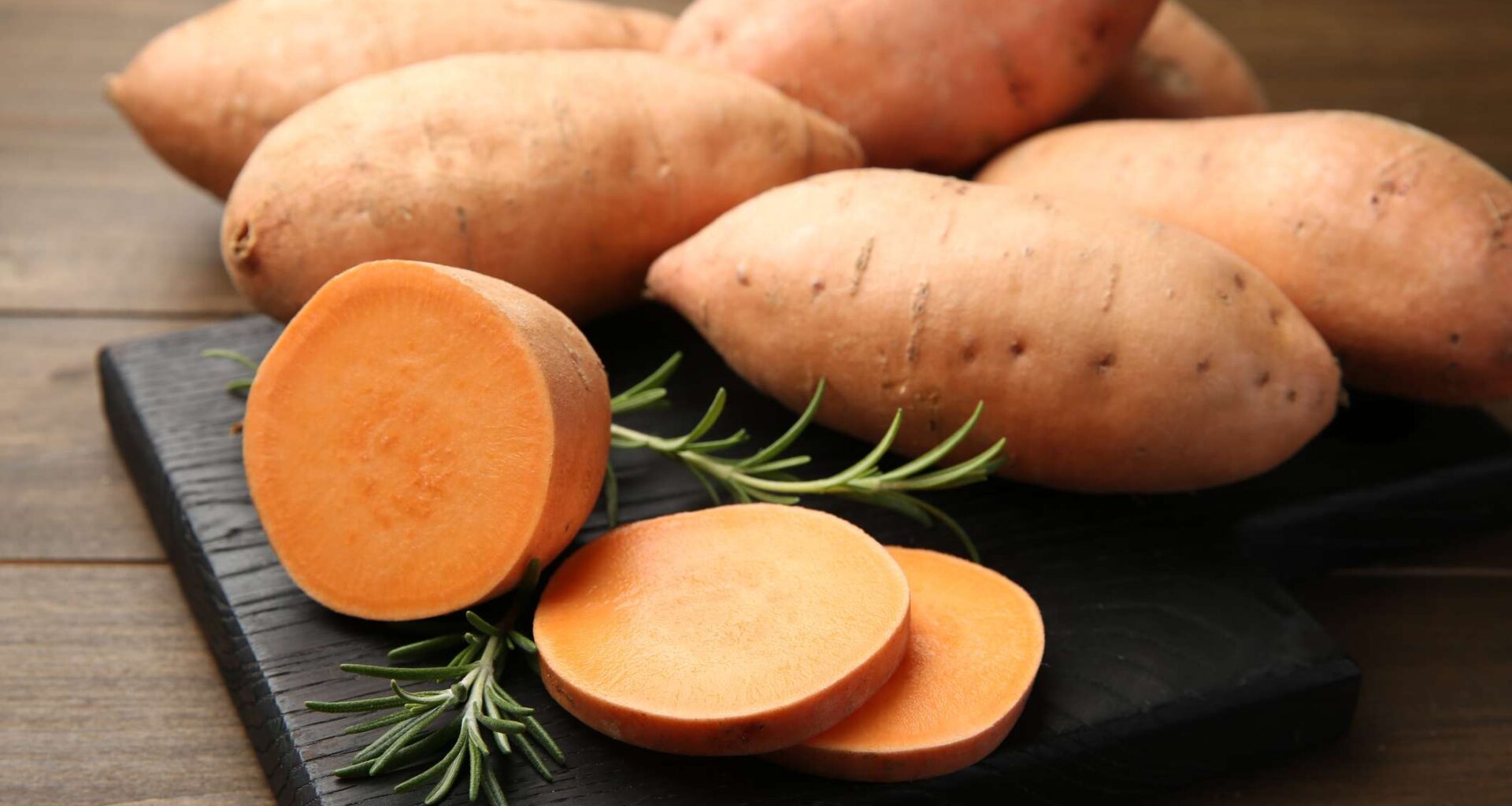
Sweet potato is an excellent source of vitamin A, with a 100-gram serving of mashed sweet potato containing 787 micrograms, which covers 87% of the Daily Value (DV). However, several other foods, including certain meats and vegetables, contain equal or higher amounts of vitamin A per serving. If you’re looking for different foods to meet your vitamin A needs, here are some options.
1. Beef Liver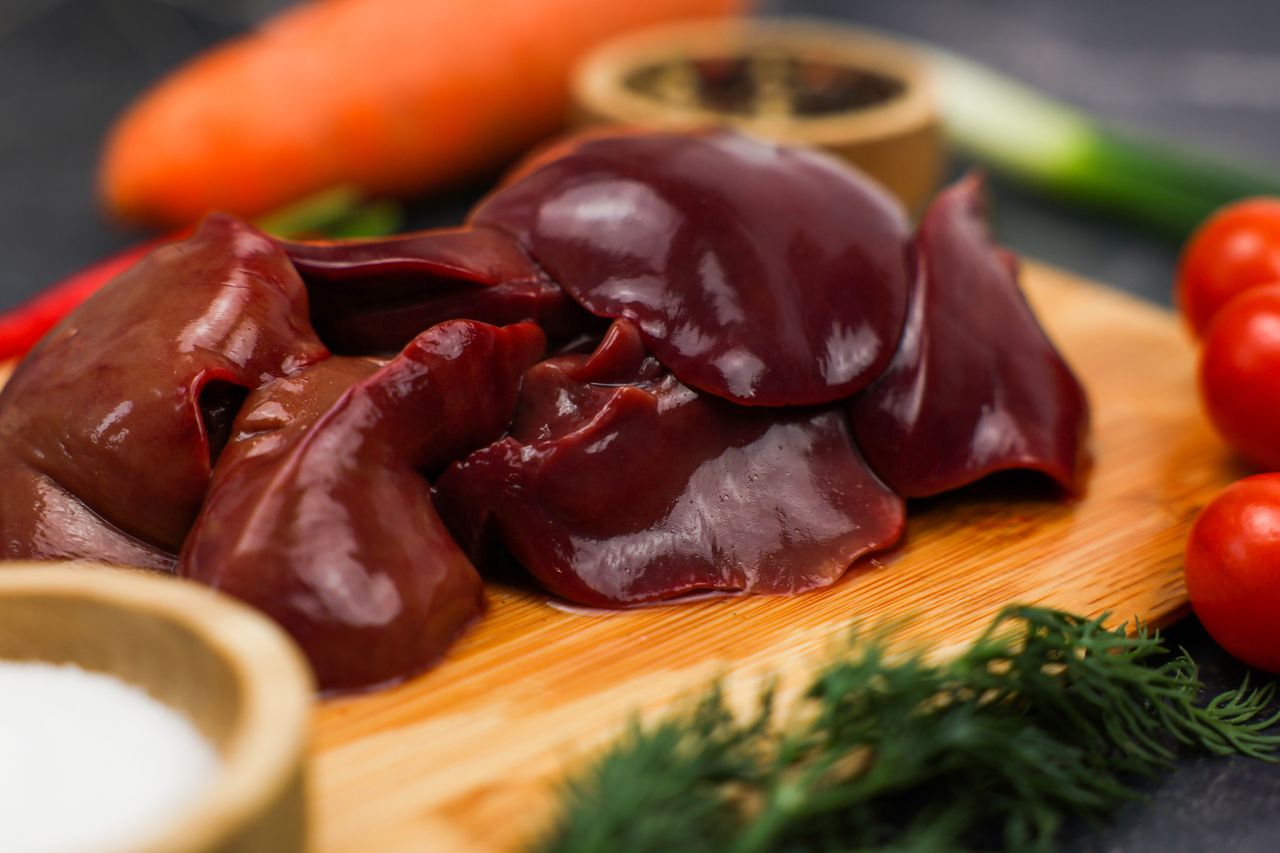
Credit: Kseniia Mnasina / Getty Images
Vitamin A content: 8,020 micrograms (mcg), 891% of the DV
Serving size: 3 ounces (oz)
Beef liver is one of the richest sources of vitamin A you can eat. Animal-based sources of vitamin A, like beef liver, contain the pre-formed “active” vitamin A (retinol), which your body absorbs well.
While eating beef liver is an efficient way to take in more vitamin A, consistently eating large amounts of liver could lead to vitamin A toxicity. Stick to enjoying smaller portions of beef liver occasionally to prevent overconsumption of vitamin A.
2. Carrots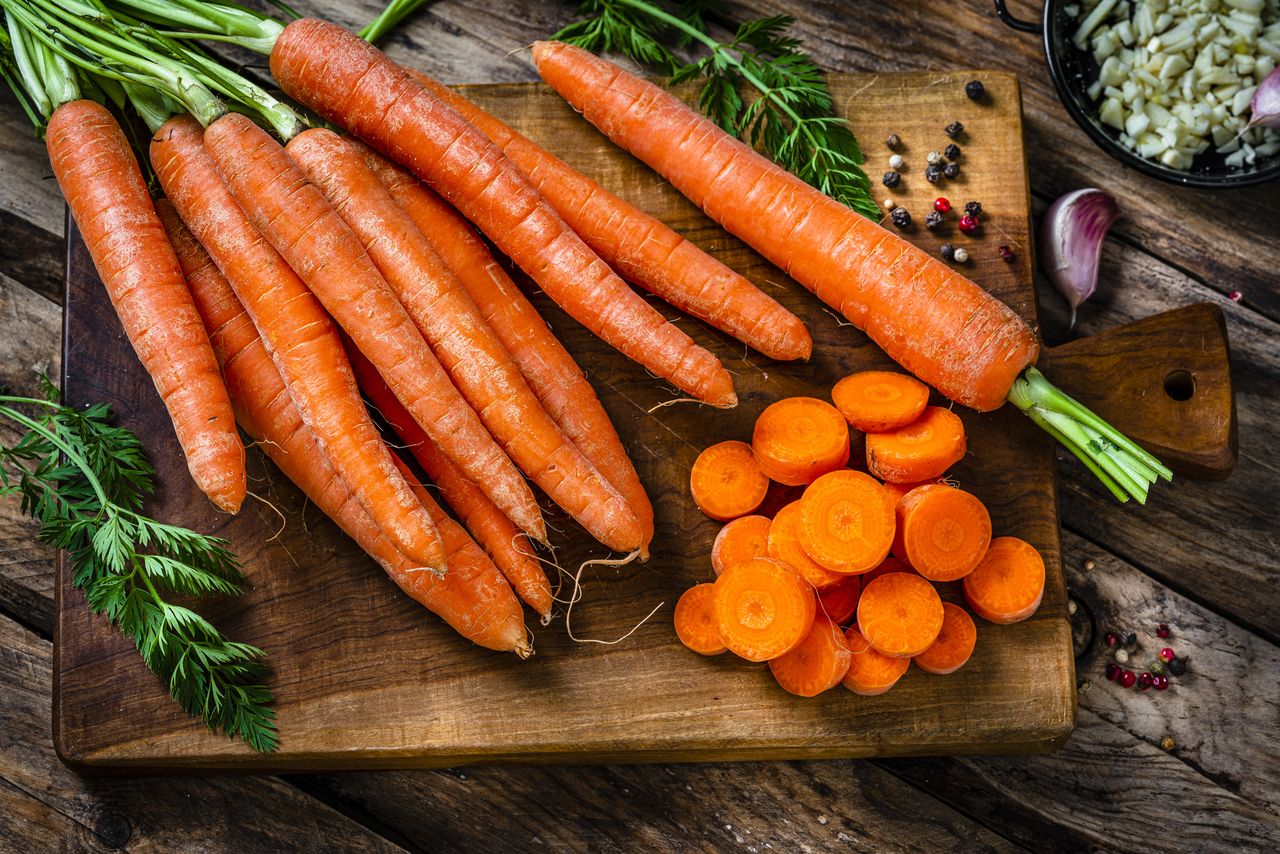
Credit: fcafotodigital / Getty Images
Vitamin A content: 846 mcg, 94% of the DV
Serving size: 1 cup, sliced and boiled
Carrots get their bright-orange color from pro-vitamin A carotenoids, like beta-carotene. Plant-based foods contain vitamin A in the form of plant pigments called carotenoids, which your body must convert into the active form of vitamin A before they can be used for essential processes like vision and immune function.
Carotenoids also have powerful antioxidant and anti-inflammatory effects. Research shows that people with higher blood levels of pro-vitamin A carotenoids, like beta-carotene and alpha-carotene, are at a lower risk for developing health conditions like age-related macular degeneration and certain cancers.
3. Spinach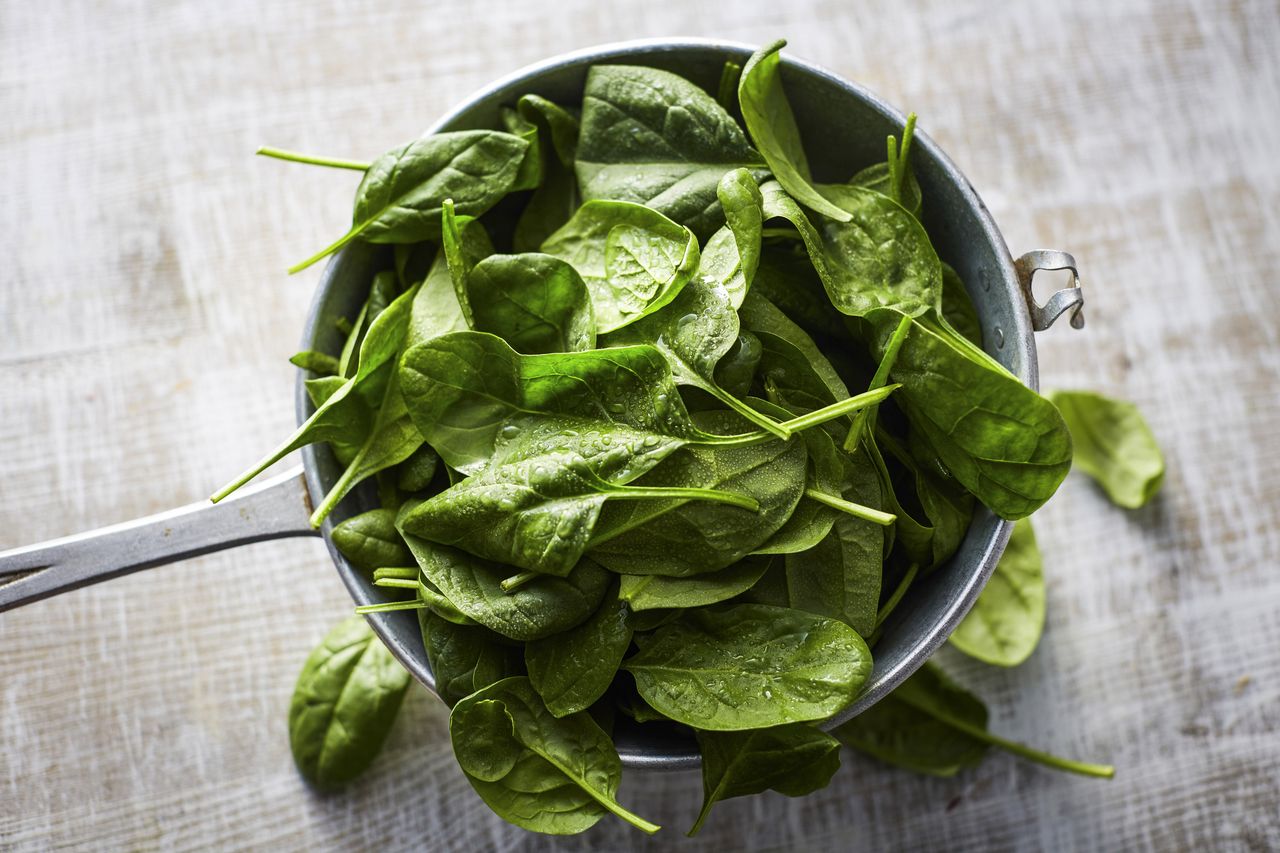
Credit: Westend61 / Getty Images
Vitamin A content: 943 mcg, 104.7% of the DV
Serving size: 1 cup, boiled
Spinach contains provitamin-A carotenoids, including beta-carotene. It also has other carotenoid antioxidants, like lutein and zeaxanthin, which work alongside pro-vitamin A carotenoids to support healthy vision.
Like beta-carotene, higher intake of lutein and zeaxanthin has been linked to a lower risk of age-related macular degeneration, making spinach an especially good choice for eye health.
4. Chicken Liver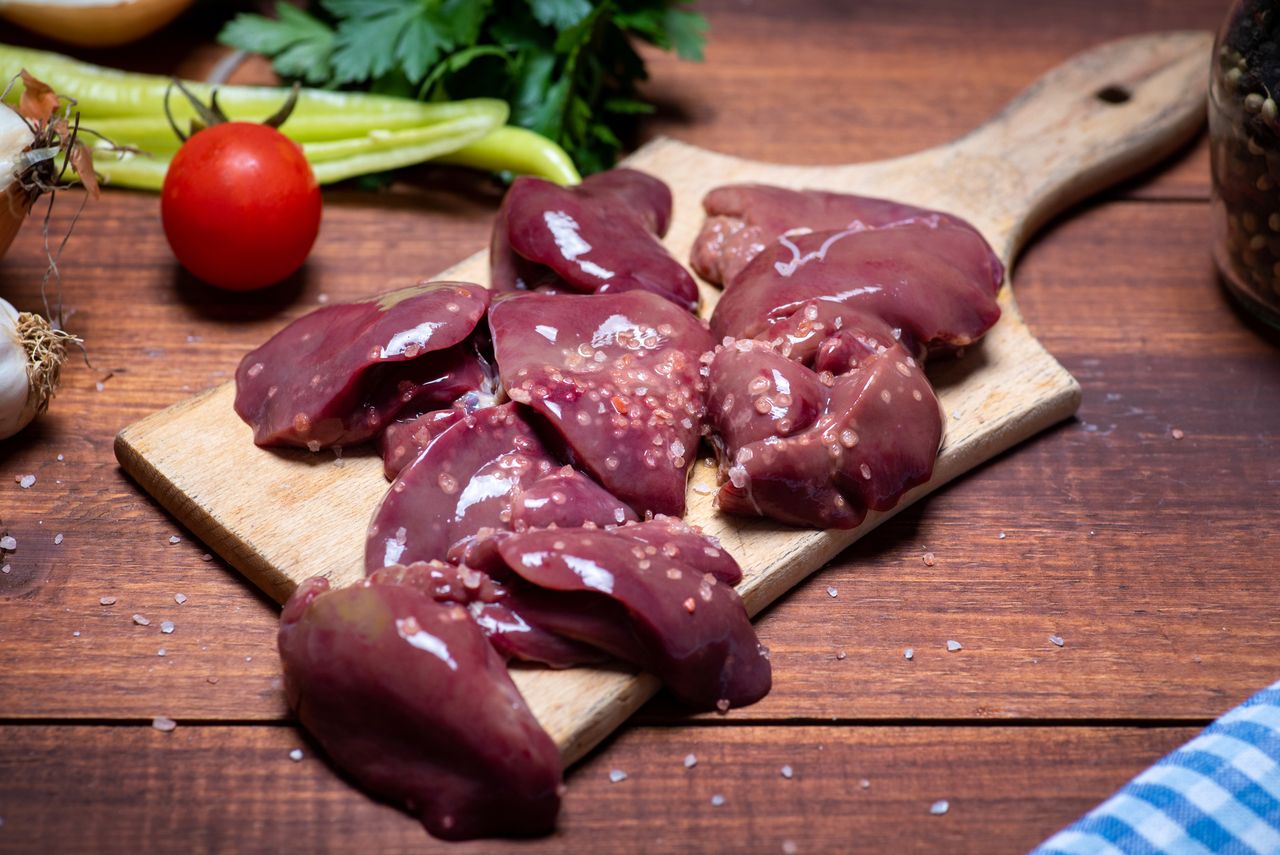
Credit: Stefan Tomic / Getty Images
Vitamin A content: 3,660 mcg, 406% of the DV
Chicken liver is a concentrated source of vitamin A. Since the vitamin A in chicken liver is pre-formed, your body can absorb and use it immediately, making it an efficient source for people who need more vitamin A in their diets.
Chicken livers can be enjoyed on their own, cooked by grilling or pan-frying, or pureed into a pâté.
A Fish Product With High Vitamin A
Cod liver oil comes from fish but is technically a supplement. It is a concentrated source of vitamin A, providing 4,080 micrograms of vitamin A in 1 tablespoon, which is 453% of the DV. Humans and animals primarily store vitamin A in their livers, making liver and liver products, like cod liver oil, effective for boosting vitamin A levels.
How To Safely Get More Vitamin A
Vitamin A is essential for health, but since vitamin A is fat-soluble, it can build up in your body over time and pose a risk to your health.
The current Tolerable Upper Intake Level—the highest daily dose unlikely to cause adverse effects—for pre-formed vitamin A is 3,000 micrograms per day.
Keep in mind that while vitamin A toxicity is usually linked to overconsumption of dietary supplements, it’s possible to consume too much vitamin A from foods that contain pre-formed vitamin A, like liver.
Chronic vitamin A toxicity can cause serious side effects, like:
In rare cases, vitamin A toxicity can be life-threatening. High intakes of preformed vitamin A are especially concerning during pregnancy, as they can increase the risk of birth defects that affect the eyes, skull, heart, and lungs.
How Much Do You Need?
The recommended daily vitamin A intake is 900 micrograms for men and 700 micrograms for women. People who are pregnant need 770 micrograms, and people who are breastfeeding need 1,300 micrograms.
Most people can meet these recommendations easily through a balanced diet that includes both plant and animal sources of vitamin A.
Read the original article on Health