
Imagine pressing the power button on your 6-year-old Android phone, and it fails to turn on. You’d probably add it to your list of minor inconveniences.
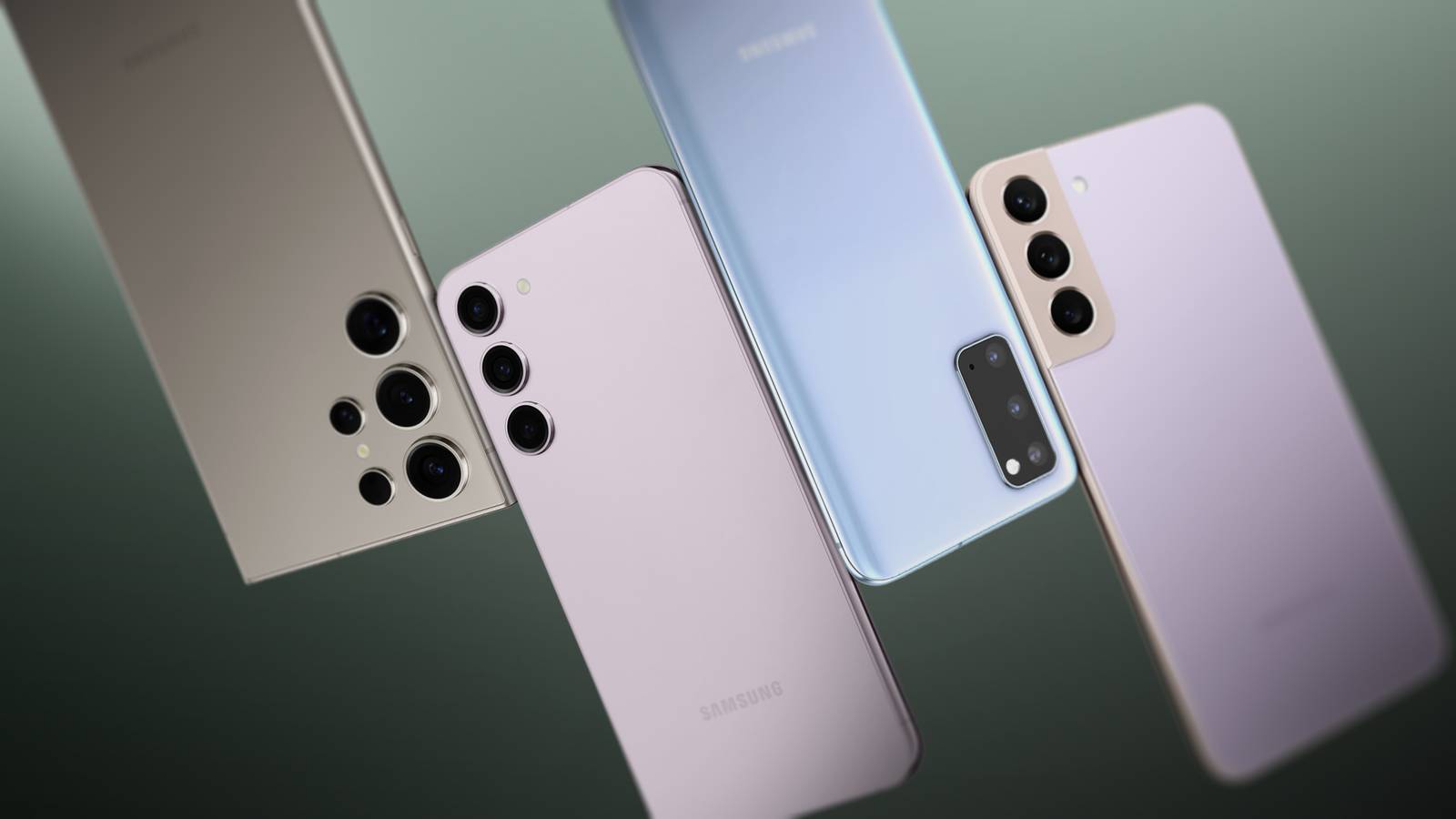
That’s what I did when my Samsung Galaxy S20 wouldn’t come on. I dismissed it as a simple battery issue I’d fix later. After all, I have a Galaxy S22+, an S23+, and an S24 Ultra, all of which still get software support, somewhat.
But I started thinking about how the phone had never let me down, software-wise (I had to change the screen twice). A part of me wished it was still getting OS upgrades. And that’s when it hit me.
The upcoming One UI 9, based on Android 17, will treat my four Galaxy phones very differently. The S24U and S23+ will get One UI 9, while the S22+ and S20 won’t, each under different circumstances. Here’s what I mean.
Related
I’ve used the Galaxy S24 Ultra and Pixel 8 Pro in 2026, and they still make more sense
Lots of money to be saved
The S24U gets One UI 9 and four more OS updates
I’ll be using it for a very long time
My S24 Ultra is actively getting updates, which makes sense considering the S24 series was the first of Samsung’s phones to get the seven-year update promise.
One UI 9 will be the third upgrade, with the devices getting continuous software support until 2031.
This update policy puts the company at the top of the smartphone market in terms of software support, rivaled only by Google with a similar upgrade promise and Apple, which promises five years of support but averages around seven years as well (and maybe FairPhone with six years quoted but is known to deliver seven years).
I don’t have to wait long for new features, as Samsung releases updates a few months after Google, putting it up there with the latter, alongside Apple.
This means I can daily drive my S24U until newer models offer enough improvements to make me upgrade.
Neither Samsung nor Google has completed a seven-year update promise. So, the real test of the policy will come in the later years, and we’ll see if any of them default.
The S23+ gets One UI 9 and no more
It was fun while it lasted
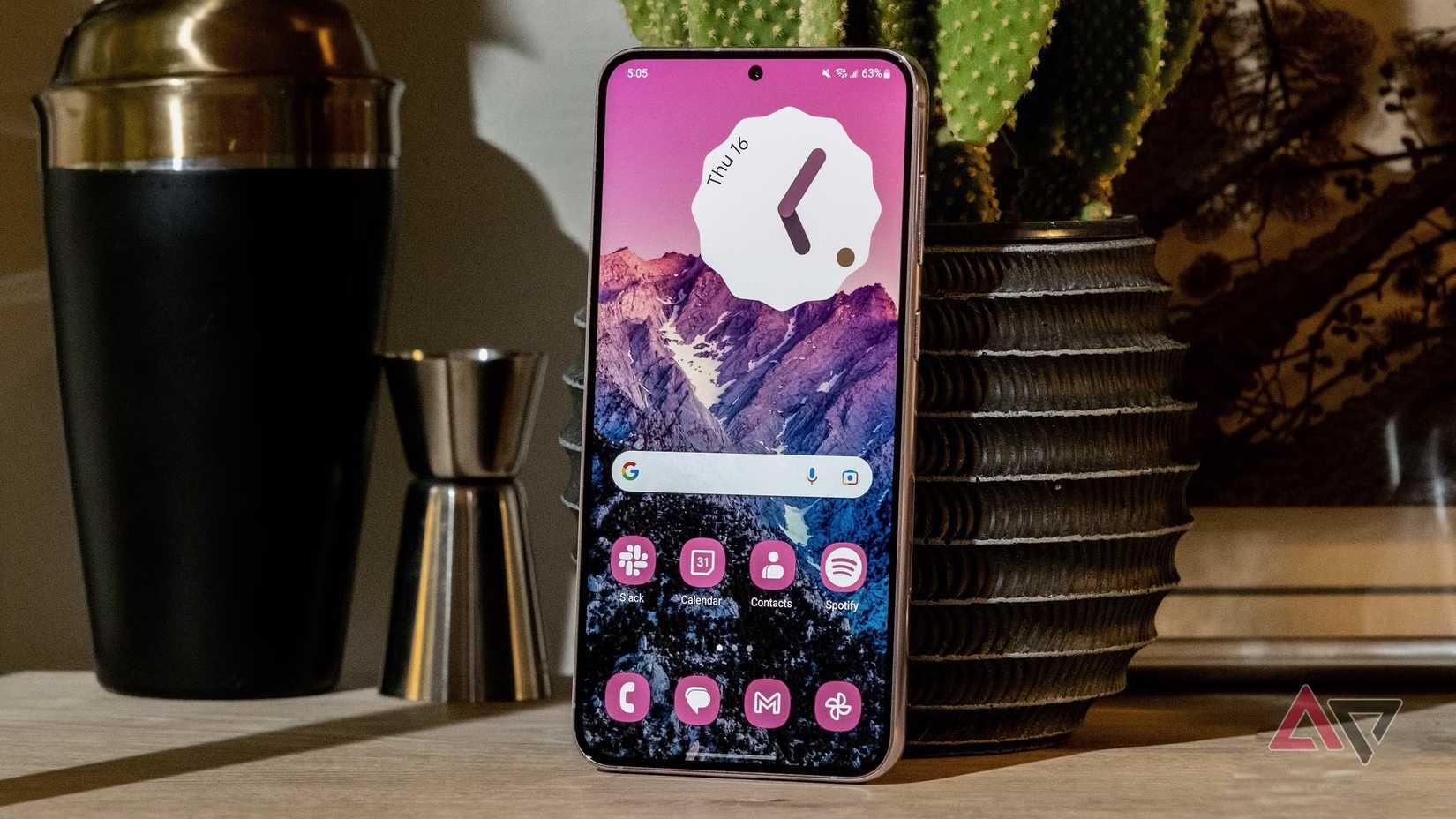
Unlike the S24, my S23+ won’t get any major OS updates after One UI 9.
It launched with One UI 5.1 based on Android 13. Being the successor to the S22, it inherited the existing policy of four major OS upgrades and five years of security support, making Android 17 the last update. But it’ll continue getting security support.
As per Samsung’s update policy, my S23+ will drop from monthly to quarterly security updates for an additional year after One UI 9 rolls out.
The only thing I have to worry about is a zero-day vulnerability targeting Android. Newer devices will get patched in weeks, while my S23+ waits months.
Still, it’s not uncommon for OEMs to push critical security fixes to specific modules like Wi-Fi, Android System WebView, and media frameworks, so I’m not worried.
However, the device will continue to drop in value, especially after software support stops.
While I intend to hold on to mine, you can get a few hundred dollars if you trade in yours with Samsung, even higher if you trade in around a big launch like the S27 series.
The S22+ gets security updates but not One UI
No new features, but my data is safe, at least
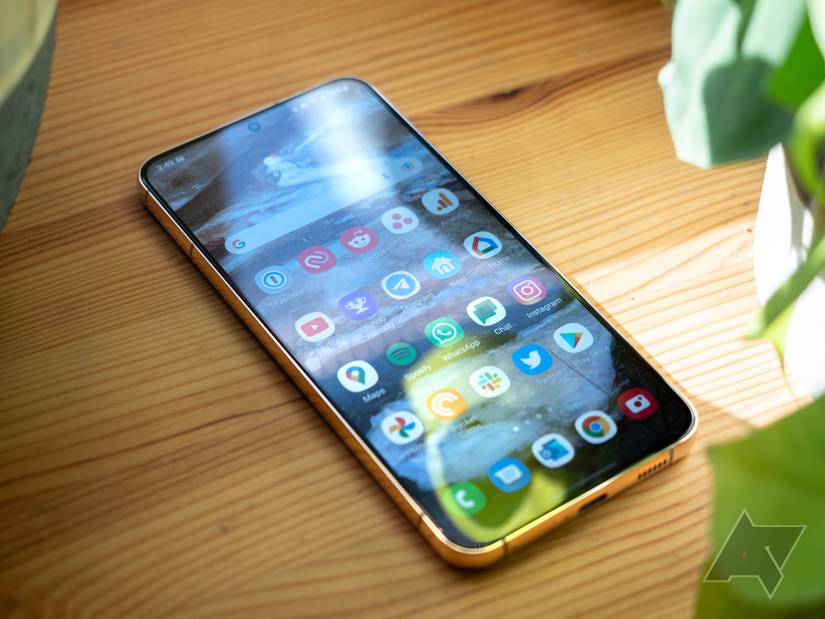
Unlike the S24 and S23, my S22+ won’t get One UI 9, but it doesn’t make me angry. Maybe it’s because my other devices will.
Maybe it’s because I understand, as someone who used to dislike Samsung, that the company has come a long way from being one of the worst Android OEMs at software updates to being the best.
I’ll give it that title because it’s partly responsible for the seven-year policy we have today.
Here’s how. In 2020, Samsung matched Google by promising three years of OS updates for its major flagships. However, Samsung raised the benchmark in 2022, offering four years of updates.
Google finally took the reins in 2023, promising seven years of both OS and security updates after so much backlash. Samsung didn’t fall short either, matching Google’s policy three months later.
If you own an S22, you’d probably agree with me that nothing about the phone feels outdated or due for retirement. It’s plenty fast and reliable.
Even though it won’t get new features anymore, it’ll keep getting quarterly security updates until February 2027. And I’ve come to terms with that.
The S20 won’t get anything
Sad, considering the phone still works
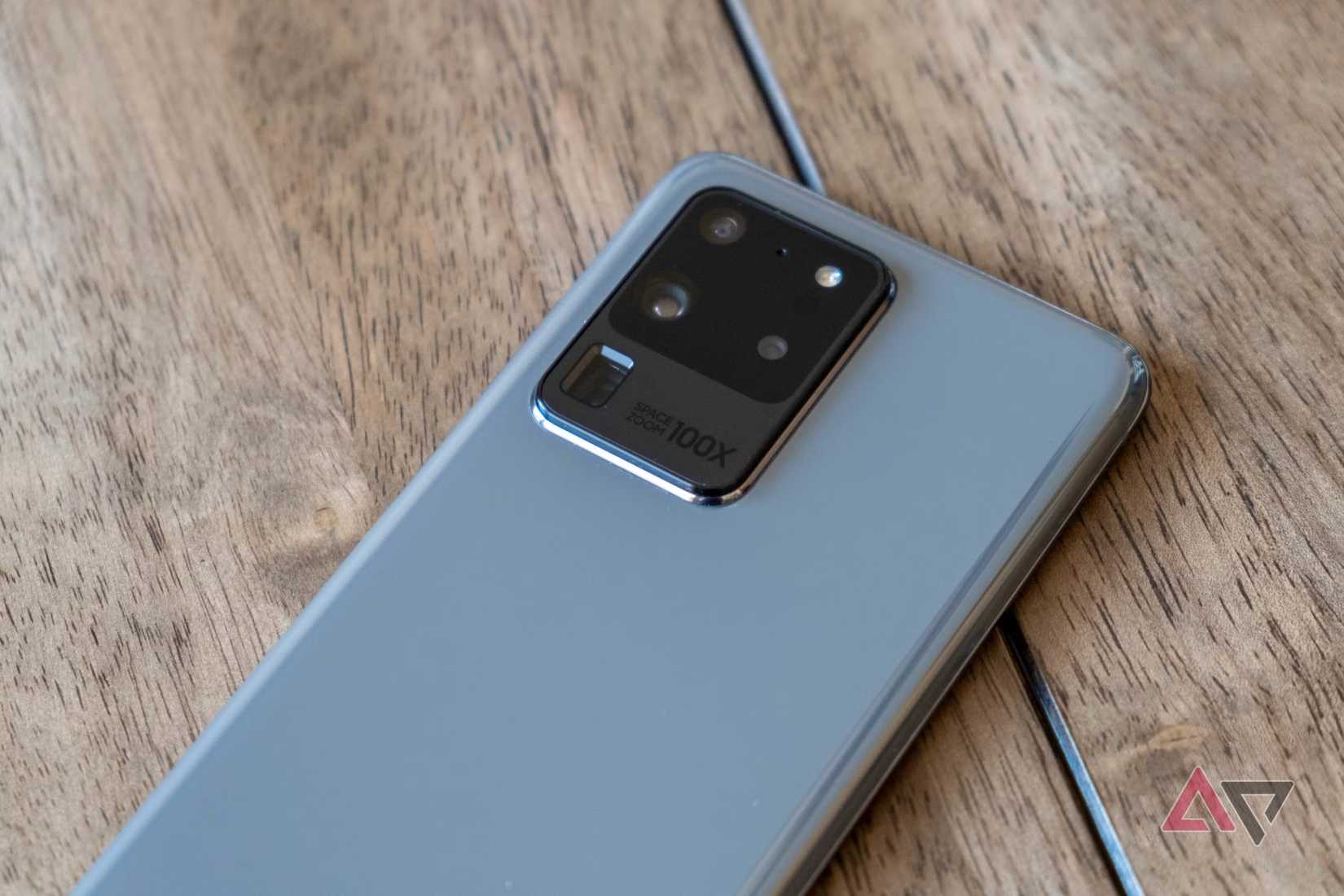
Like the S22, my S20 won’t be getting One UI 9. Its last major update was One UI 5.1 based on Android 13.
Monthly security updates ended in 2024, but it kept getting quarterly updates for another year, up until early 2025. This marked the end of Samsung’s update promise of 3 major Android OS upgrades and five years of security updates at the time.
This probably pains me most because my S20 worked just fine. Did I change the screen twice? Yes. Did the battery die on me? Yes. But it powered through apps and most games easily. Bank apps weren’t a problem, either, and shouldn’t be for you if you still daily-drive an S20.
Still, you might want to pay attention to what your bank is doing. For example, some users have reported that the Chase Bank mobile app now requires Android 13 or higher.
For a phone that launched in March 2020, Samsung did a good job keeping the S20 relevant for approximately five years, which would’ve been crazy to imagine a few years ago.
It probably still sounds unbelievable if you use a Sony or ASUS, considering they only offer around two to three years of support.
Maybe it’s nostalgia from having it the longest, but with hardware good enough for six years (and more with repairs), I can’t help but wish the S20 was still supported.
Related
I ranked phone makers by software support and the results were surprising
How do the industry leaders compare in supporting their devices?
Anyone with me on 10 years of software support?
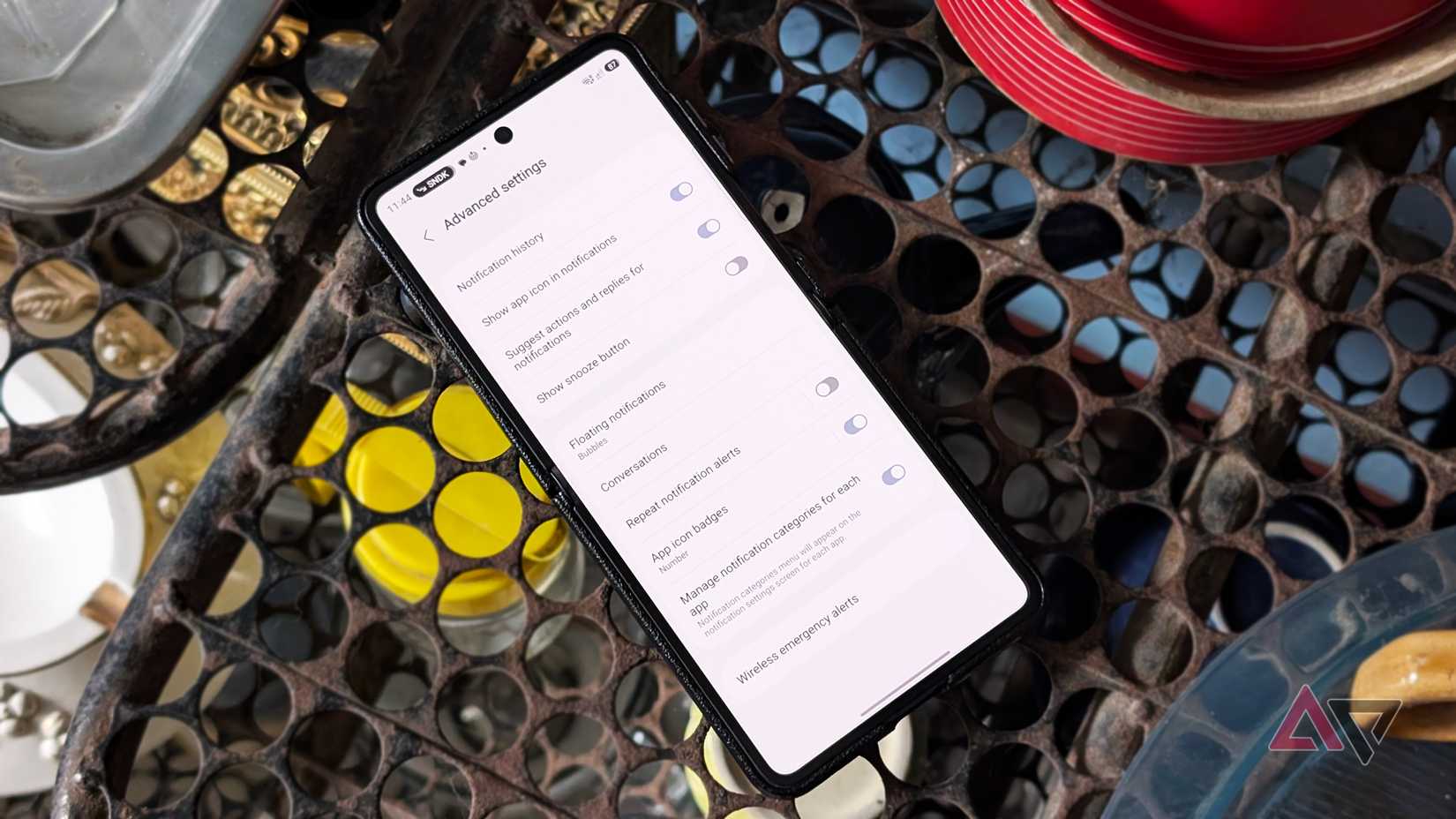
My S20 made me realize that there’s no such thing as too much support. That’s probably a testament to how well-made modern smartphone hardware is, how polished software has become, or both.
But while I think seven years is enough, I won’t mind 10+ years of OS updates. Mobile hardware can last that long, especially with repairs, but it’ll probably be a while before OEMs even consider it.
If you’re not sure where your Android sits on the schedule, you might want to check how long your phone will get software support.