

Listen to this article
Estimated 4 minutes
The audio version of this article is generated by AI-based technology. Mispronunciations can occur. We are working with our partners to continually review and improve the results.
Those in Canada’s seafood industry on the East Coast are breathing a sigh of relief after the federal government removed U.S. fish and seafood products from its list of counter-tariffed items.
The government announced the change late Wednesday night, saying adjustments were made based on “feedback.”
The change came a day after the federal government announced counter-tariffs on $27.6 billion worth of U.S. goods, in an effort to hit back at new 50 per cent tariffs the U.S. imposed over the weekend on a similar slate of goods when trade talks broke down.
Many of the goods on the initial list were seafood products, taxed at a 25 per cent rate.
WATCH | The ‘right thing to do’: Champagne: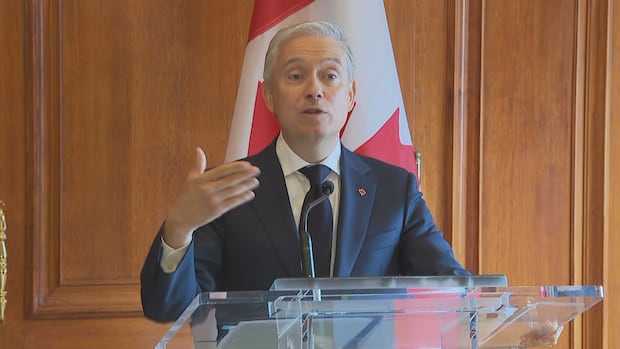
Dropping U.S. seafood from counter-tariff list ‘right thing to do’: Champagne
Finance Minister François-Philippe Champagne says Canada dropped counter-tariffs on U.S. fish and seafood because it’s ‘in Canada’s best interests.’ The federal government updated the list of tariffs set to come into effect on Sept. 8 after ‘listening to Canadians,’ Champagne said.
Industry leaders feared those countermeasures could have had devastating consequences for the seafood business — an industry which hadn’t been caught up in the trade war until Tuesday’s announcement.
“The whole Atlantic fisheries industry is relieved that this tariff has been taken away from the list,” said Gilles Thériault, former president of the New Brunswick Crab Processors Association.
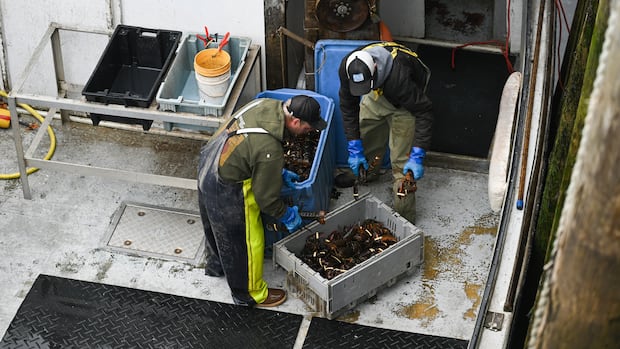
The industry is heavily integrated across the border, says Nat Richard, executive director at Lobster Processors Association, which represents 25 processors from across the Maritimes.
With such a short Canadian lobster fishing season, lots of American-caught lobster is sent to Canadian processing plants in the off-season before it’s shipped back south of the border to be sold.
Richard says 25 per cent tariffs would have made processing in Canada economically “impossible.”
“I think we would have likely seen an early closure of a significant number of plants,” Richard said, which usually employ hundreds of people.
WATCH | Tough season for lobster fishers: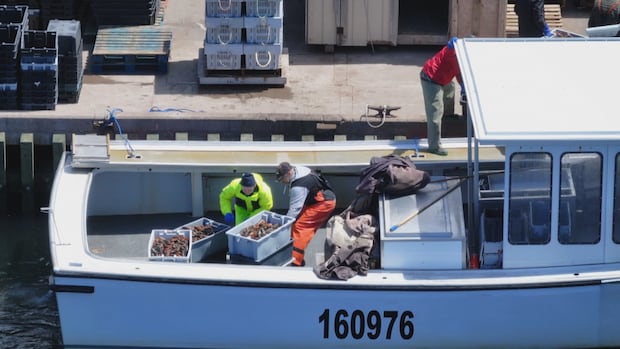
Lobster fishers in P.E.I. met with low prices, high costs and stormy seas this season
It’s been a tough season so far for many Island lobster fishers. Prices are lower than expected, expenses are up, and cold and windy weather hasn’t helped either. CBC’s Steve Bruce visited North Rustico to find out more.
Outside of lobster, executive director of the Nova Scotia Seafood Alliance, Kris Vascotto, told Radio-Canada earlier this week that nearly every single seafood item Canada imports across the industry was on the retaliatory tariff list, which would have had a broad impact.
Joanne Losier, executive director of New Brunswick Crab Processors, says her biggest concern was the possibility the tariffs would put a target on the Canadian seafood industry and lead to new tit-for-tat tariffs from the U.S. side.
“The spotlight was on us for 24 hours, and we didn’t ask for this. We don’t want this. We don’t need this,” Losier said.
Over 90 per cent of Canada’s snowcrab is sold to the U.S., and it hasn’t been tariffed on the American side so far. Losier hopes it stays that way.
In a statement to CBC News, Nova Scotia Premier Tim Houston said he and representatives from the industry had raised their concerns regarding the seafood tariffs with the federal government earlier in the week, adding he was pleased with yesterday’s decision to drop them from the list.
Despite the rollback on some measures, the federal government said it would maintain its “dollar-for-dollar and rate-for-rate response to U.S. products.”
A spokesperson for the Ministry of Finance confirmed to CBC News that copper wire, charcoal and a handful of other products like plaster sheets and tiles were added to the list in order to keep that dollar-for-dollar impact. Those items will be tariffed at 50 per cent as of Sept. 8, and are visible on the government’s list of counter-tariffed items.
Minister of Finance François-Philippe Champagne said at a Thursday news conference that the federal government listened to Canadians in making the switch — but didn’t directly answer a question about what message the move might send to the White House.
“We made the update because I think that was the right thing to do in the interest of Canada,” Champagne told reporters.