
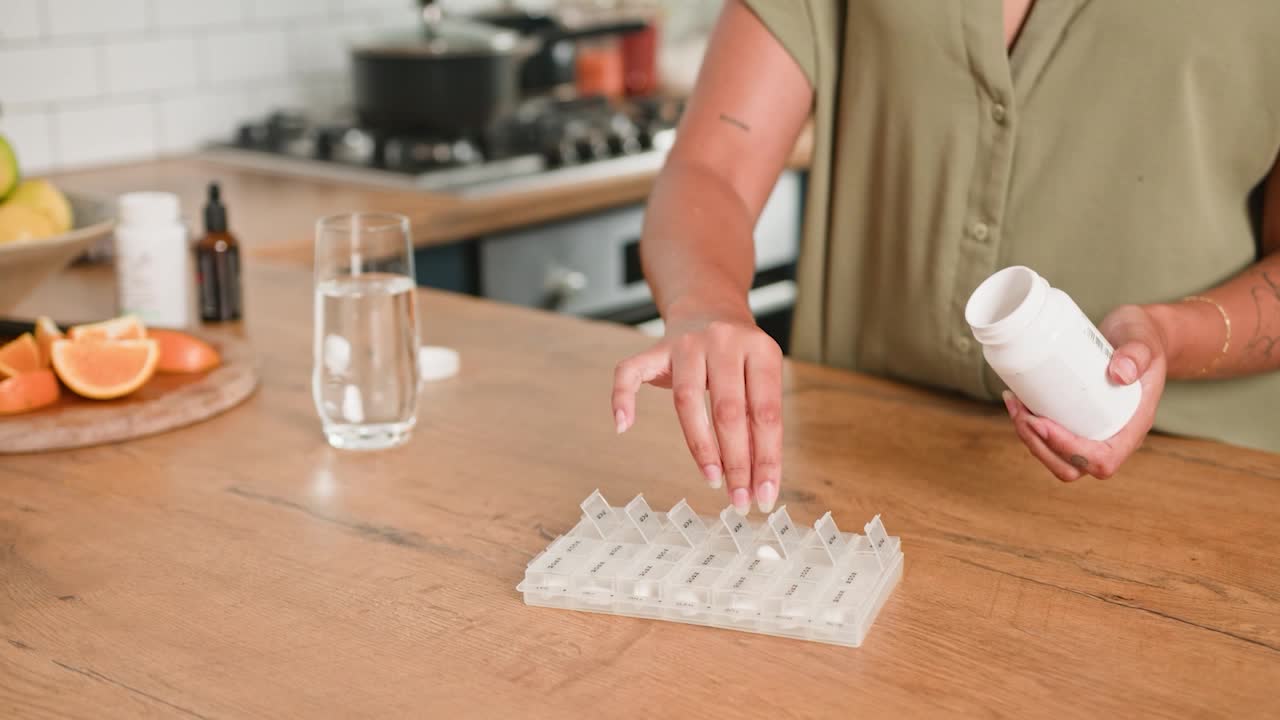
Prenatal vitamins are often one of the first things people start taking when they find out they’re pregnant. They can help provide important nutrients needed during pregnancy and support a baby’s development. But new testing from Consumer Reports found that what’s inside the bottle doesn’t always match what’s listed on the label.
Consumer Reports tested 17 prenatal vitamins for label accuracy and contaminants. CR’s experts analyzed each product for heavy metals and measured levels of specific nutrients to see whether they matched the amounts consumers were promised.
The good news: Consumer Reports did not find levels of contaminants that raised safety concerns in any of the prenatal vitamins tested.
Label accuracy, however, was a different story. Only two of the 17 products met industry-accepted potency ranges for every nutrient CR tested: Carlyle For Her Prenatal Multi-Vitamin & Mineral Formula and Bird&Be’s Complete Prenatal Pack.
Consumer Reports’ Jessica D’Argenio Waller says the findings highlight the need for stronger standards for supplements. Currently, there is no regulatory definition in the U.S. specifying exactly what a prenatal vitamin is or what nutrients it should contain.
Despite the findings, Consumer Reports says people should not stop taking their prenatal vitamins. CR’s testing found no reason to do so.
When shopping for your next prenatal vitamin, Consumer Reports recommends looking for reputable third-party verification on the label, such as USP or NSF International. CR also advises checking the Supplement Facts label for the “percent Daily Value,” or %DV, and watching for megadoses that far exceed 100 percent.
Most importantly, talk with your doctor before making any changes to your prenatal supplements. Your healthcare provider can help determine which vitamins and nutrient levels are appropriate for you and your pregnancy.
For Related Stories: 5 ON YOUR SIDE Health Medical